

What's The Average Lifespan Of A Brick Driveway?
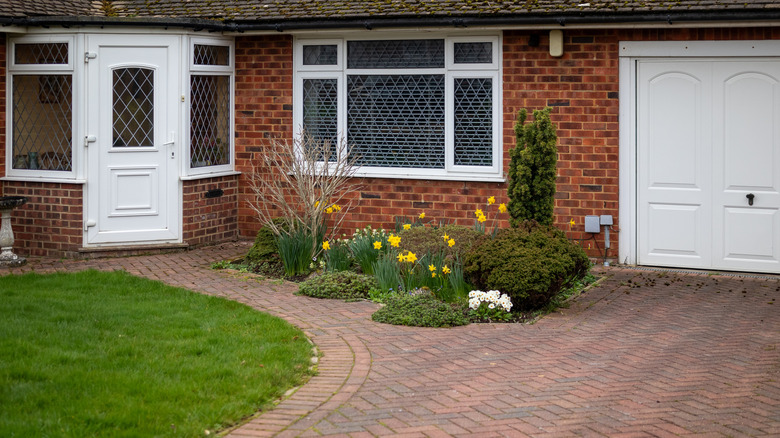
What is a more quintessentially classic, traditional driveway than one that's made of brick? Brick driveways have been around for generations for good reasons: they are durable, easy to maintain, and they make basically any home look just that little bit more refined. And on average, a brick driveway will last around 25 years, although that could be even longer depending on how it is both installed and maintained over time.
Part of the reason why they have such a decent lifespan is the way they are laid out. Brick driveways, unlike poured concrete, are made from individual bricks, which are able to shift slightly when the temperature changes or if there's any ground movement, instead of developing cracks. So when damage to a brick driveway does happen, you can usually just replace the bricks themselves, which appeals to anyone looking into more eco-friendly driveway materials. It's much more sustainable to replace bricks every so often rather than the whole driveway. Plus, small imperfections in brick tend to blend in a bit easier. Even a slightly weathered brick driveway still has a bit of character.
It all comes down to what sits underneath the bricks
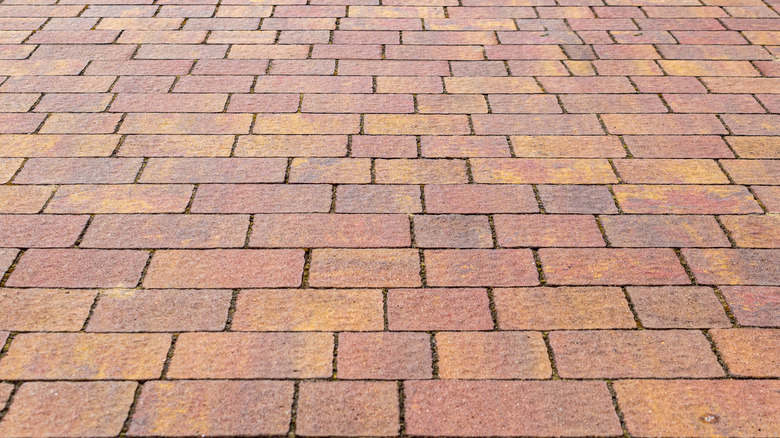
The real way to ensure brick driveways last for longer isn't actually about the bricks themselves — it's about what is underneath them. Having a properly prepared base is essential, and without it, your bricks can develop uneven patches, drainage issues, and loose pavers years before the brick itself would naturally wear out. Installing your brick driveway with correct compacting, edging, and drainage will stretch your investment longer. And using clever driveway layouts such as herringbone or basket weave patterns also matter because they distribute weight more evenly and help the surface stay stronger over time. These permeable brick designs can even help water drain more naturally into the ground instead of creating runoff problems, which is part of why brick has always been one of the most popular paver stones to use in your driveway even if it is more costly upfront than other materials. On average, brick driveways typically cost more to install than asphalt or poured concrete driveways, but their durability and easier repairs can help offset some of those long-term costs over time.
Regular maintenance matters in your driveway's lifespan, too, so make sure you are pulling weeds early and fixing small uneven areas before they spread. Doing a little upkeep every so often, like a yearly pressure wash and seal, may feel like a chore, but it's far easier than dealing with a full driveway replacement a decade down the line.