

String Trimmer Or Brush Cutter: Which Is Better For Your Lush Lawn
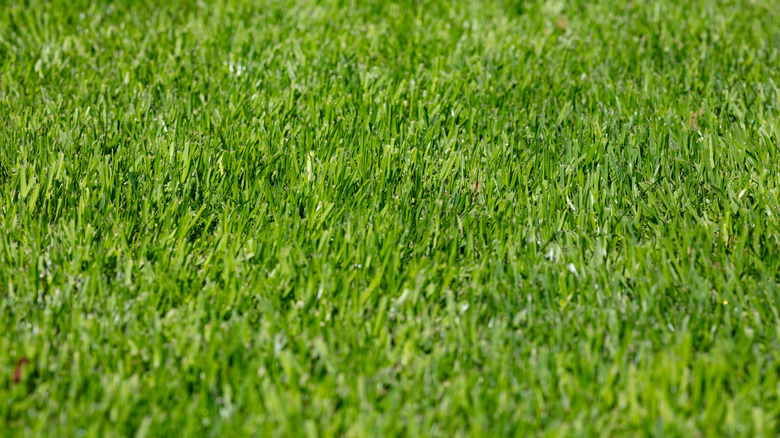
When your lawn is looking unruly and you're ready to clean up the edges or tackle wild growth, you might wonder: String trimmer or brush cutter? Both tools serve similar purposes, but they differ in intended use, power, and design. The string trimmer, also known as the weed eater, uses a spinning nylon line to cut through grass and soft weeds. It is lightweight, nimble, and perfect for precision work and getting rid of weeds in your garden. Most homeowners use it as a finishing tool after mowing. The brush cutter, by contrast, is equipped with metal or plastic blades and sometimes even saw-style teeth that can slice through thick weeds, tall grasses, woody vines, and small saplings. This tool is heavier, more powerful, and built for clearing dense overgrowth, not for lawn polish.
If you're trimming clean lawn edges or dealing with basic yard work, a string trimmer is likely enough. But for bramble or thick weed patches, the muscle of a brush cutter is unmatched. A brush cutter is usually more expensive, more rugged, and typically has a gas engine. A trimmer, on the other hand, while it also has the option of gas, can be a battery-powered weed eater that takes care of your lawn without eating up your budget. Each of these tools has its pros and cons, so you should get informed before making a choice.
Pros and cons of using a string trimmer
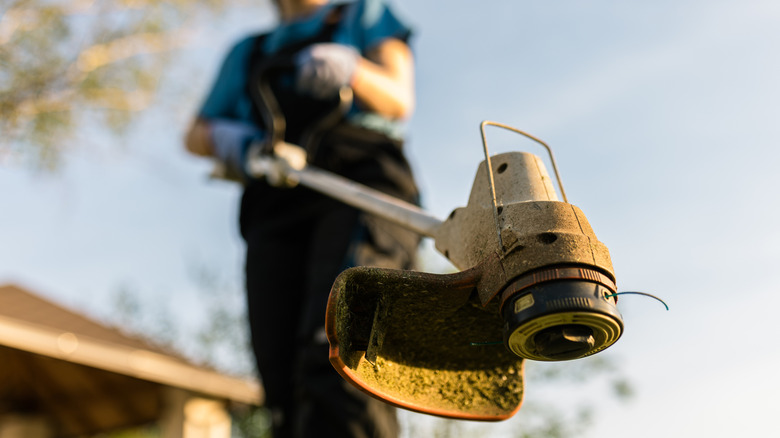
A string trimmer is called a lawn care tool for a reason — it is easy to use and perfect for detailed work. One of the many advantages is that it is portable. Most string trimmers are lightweight and perfect for carrying around the yard. For homeowners with small to mid-sized yards, a string trimmer is reliable and convenient. They are precision-friendly, which makes them great for trimming around trees, flower beds, edges, and sidewalks. Because these tools are less aggressive and a lot safer than brush cutters, they're easier for beginners and amateur gardeners. Also, they're quite easy to set up, and if you make a mistake with them, it'll do minimal harm to your garden.
But like any tool, these trimmers come with trade-offs. One is the limited cutting power. String trimmers shine in routine maintenance like weekly edging or freshening up the lawn after mowing, but when the terrain gets wild, they struggle to keep up. They cannot handle thick, woody stems or overgrown brushes. You'll also have to frequently re-feed the string line, and the line will wear out easily when in contact with hard surfaces or tough grass. If not used properly or held at the right angle, a string trimmer can make indentations in the soil and grass.
Pros and cons of using a brush cutter
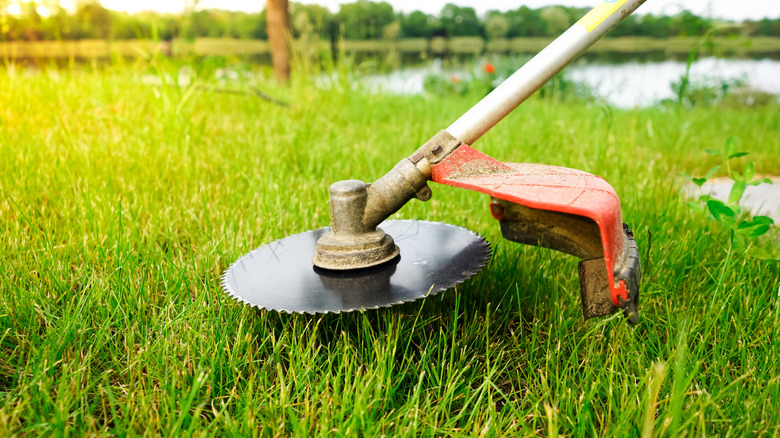
When a string trimmer can't deliver the job, the brush cutter steps in. This powerful tool gets the job done quickly. One of its best qualities is the serious cutting power. It has blades that slice through heavy vegetation and is capable of handling rugged terrains like slopes, rocky patches, and overgrown fields. You can even clean and sharpen these metal blades so they last longer. Another benefit of this tool is its durability. You're not at the risk of snapping strings or constant reloading. It's also very versatile as many models come with interchangeable heads or attachments for diverse clearing tasks.
One downside of a brush cutter is that it is heavy. The weight makes it bulkier than a trimmer, and it requires more effort to maneuver. Safety concerns are also something to look out for. The blade can kick back or send debris flying, which is dangerous to both the user and passersby. Protective gear is a must when making use of this tool. You also have to be careful when using it in dry climates, as the metal blades can cause sparks to fly when they bump into stones or pavements. A brush cutter is louder too, so it's not the best for quiet neighborhoods or casual lawn work. The higher cost of a brush cutter is another possible downside. For a simple trimming job like tidying the grass around your mailbox, a string trimmer is a better option.