

Winter Weather Is Coming To Some Places Already: How Do You Garden In The Snow?

Gardeners in cold and snow-prone climates may not be thinking about snow yet, but the flakes will be flying before you know it. But as helpful as snow is to plants, too much of it can be problematic. Its weight breaks branches. Its pressure on soil can go too far and cause compaction. Because snow may prevent livestock and wildlife from finding food, critters may cause plant damage as they browse for sustenance.
Generally, you don't actively garden in the snow; you focus on preparing the garden before snow and protecting plants during the winter. Preventive measures that help your plants make it through a snowy winter begin with plant selection. Choose plants that can resist wind damage, and replace those susceptible to it with wind-resistant varieties. Be aware of how to prepare your garden for winter through fertilization and pruning. Steer clear of sodium chloride-based de-icing salts, which can seriously damage plants. Ensure shrubs and trees have good structure and strong branching by pruning them so they can withstand being weighed down by snow. Learn habits that will help prevent lawn damage from snow, such as prepping the lawn before the snow flies. After snow falls, brush snow off shrubs with a broom. Check for tree damage, and consider consulting an arborist if damage is extensive, as highly damaged trees may not survive. Be sure no roots are exposed, and cover any that are.
Once the snow has melted in the spring, check for damaged branches and prune them cleanly. Inspect your plants to see if any have suffered from frost heaving; cover roots and add mulch. Break up any soil that the snow compacted.
Snow helps your plants more than you might think
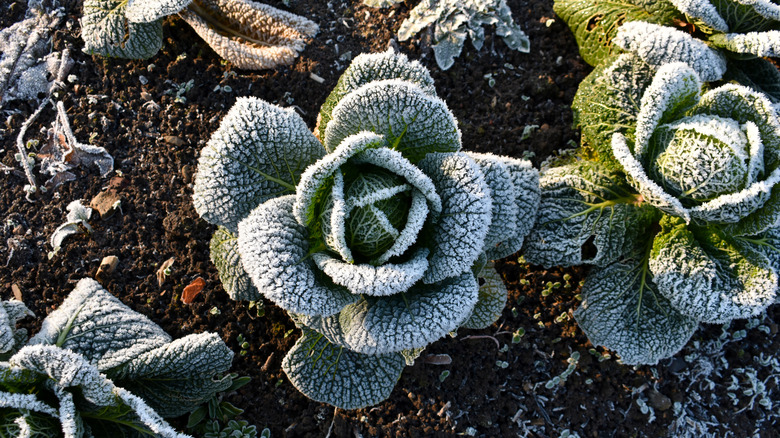
While you may not be able to garden actively, winter still allows you to prevent snow damage and mitigate any plant injury that occurs. Then, you can sit back with a cup of hot chocolate, appreciating how the snow is actually benefitting your garden.
As precipitation, snow provides and holds moisture, preventing desiccation. When it melts, it works like super-slow drip irrigation, gradually providing water to plant roots. The white stuff protects soil from temperature fluctuations and the freeze-thaw cycles that can cause frost heaving and damage plant roots. Since fallen snow is up to 95% air, it also acts as effective insulation, providing plants a measure of warmth.
While it's not possible to completely wipe the pest and disease slate clean at the end of a season, snow at least provides a partial reset as cold temperatures kill off many pests. With the snow's weight on top of it, soil structure improves as the pressure breaks down organic materials. Perennials benefit from the insulation snow provides for their crowns. Snow also captures tiny amounts of nitrogen and other nutrients and releases them into the soil. Per acre, rain and snow deliver an estimated 2 to 12 pounds of nitrogen annually. The same slow-release effect we see in moisture from snow applies to the nitrogen in the snowmelt, releasing it gradually into the soil. Bonus: Snow is a secret weapon when it comes to planning your spring garden because it helps you determine where the shady spots are.