

8 Bathroom Staples You Should Be Using For Your Plants
If you want a thriving garden full of various healthy plants, you'll likely need a range of supplies in your gardening arsenal. After all, different plants have different needs, and it's important to be prepared for routine chores like cleaning leaves and controlling common houseplant pests. Gathering all the supplies you might need can be expensive — and you'll also need extra space to store them. That's why you may instead be interested in learning about different ways you can repurpose and reuse bathroom items in your garden.
Toothbrushes, cotton swabs, and shower liners — these are just a few examples of the essentials you may have in your bathroom right now. These staples can also be easily repurposed for your garden, whether you're an outdoor gardener or a houseplant enthusiast. Below, we've compiled eight bathroom staples you likely already own, along with ways to use them in your garden to save money and reduce waste.
Diluted rubbing alcohol
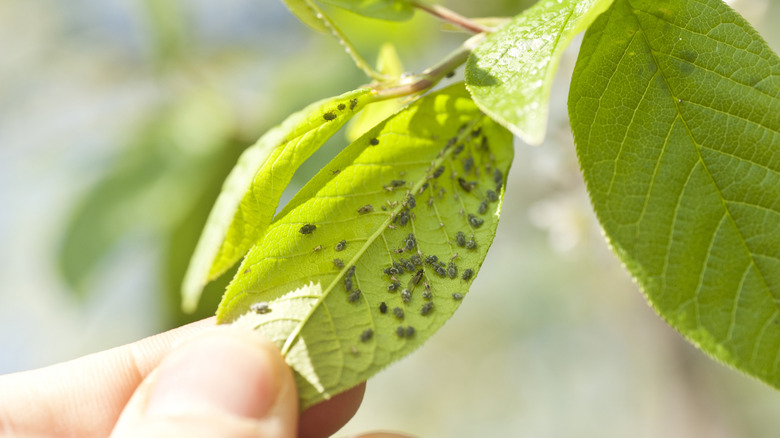
Rubbing alcohol isn't just useful for first aid — it can also help your plants, especially with pest infestations. When used on your plants, isopropyl alcohol, one of the main ingredients in rubbing alcohol, can be used to kill a variety of common pests, including aphids, mites, whiteflies, and mealybugs. However, when using rubbing alcohol for pests on houseplants, you'll need to dilute it first with water. The ratio depends on your alcohol's concentration and your plant's sensitivity, as some require a weaker solution.
Diluted hydrogen peroxide
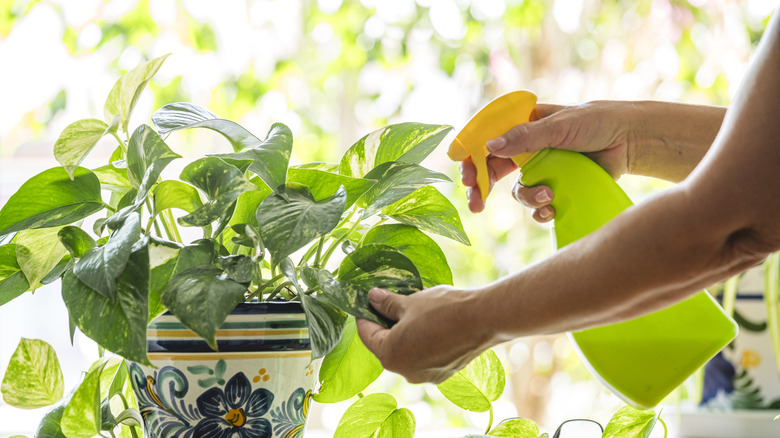
Like rubbing alcohol, using a mixture of hydrogen peroxide and water can be useful for getting rid of certain houseplant pests. This includes fungus gnats, whose larvae can damage your plant's roots and lead to poor growth. To treat your houseplant for fungus gnats with hydrogen peroxide, you'll need to treat the soil where the larvae reside as well as tackle any adults that may be flying around your plant. The correct dilution ratio varies depending on how and where you use the solution.
Toilet paper holder
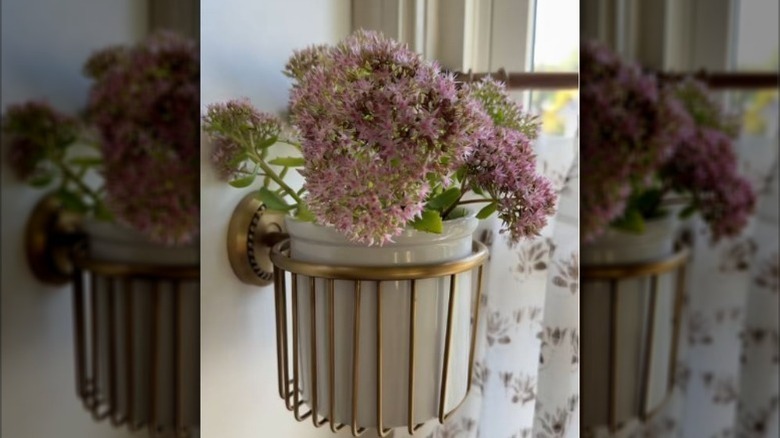
Many of the staples in your bathroom can be beneficial for keeping your plants healthy. However, there are also a few items you may have on hand that can help display your plants. If you have a wire basket toilet paper holder and want an upgrade, you can repurpose it into an eye-catching potted plant holder. A wall-mounted holder also lets you place plants near windows for better sunlight, while the wire bottom prevents water from pooling.
Toilet paper tubes
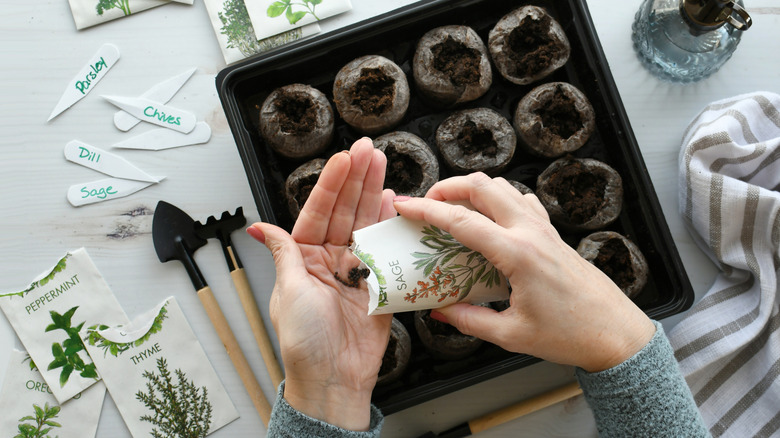
Along with your toilet paper holder, you can also recycle and reuse toilet paper tubes in your garden. With just some soil and your choice of seeds, toilet paper tubes make perfect DIY seed starting pots. Because they're made of cardboard, you can leave them on when transplanting, as they'll eventually break down in your garden. This saves the hassle of digging up seedlings for transplant and reduces waste by keeping cardboard out of the garbage. Just keep in mind that your cardboard rolls can mold if exposed to too much moisture.
Cotton swabs
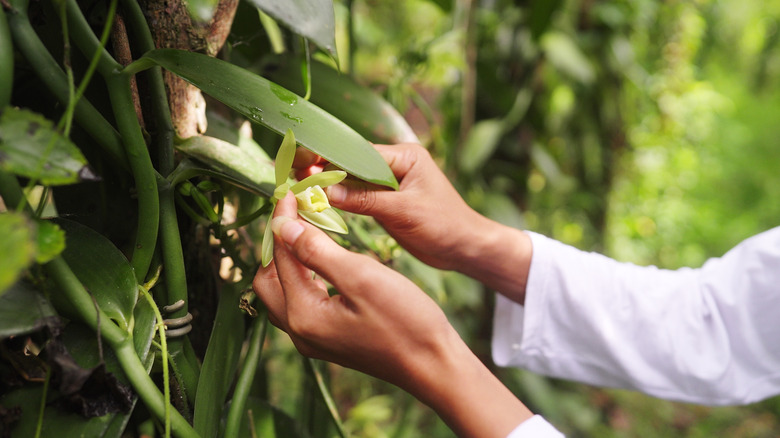
From applying spot treatments to cleaning up eyeliner, cotton swabs can be a personal care lifesaver. However, their use doesn't end in the bathroom. In the garden, cotton swabs can serve several purposes. For plants like squash, you can use cotton swabs to help pollinate flowers for more produce each season. You can also combine a cotton swab with items like an empty plastic water bottle to create a DIY irrigation system that keeps plants hydrated.
Soft-bristled toothbrush
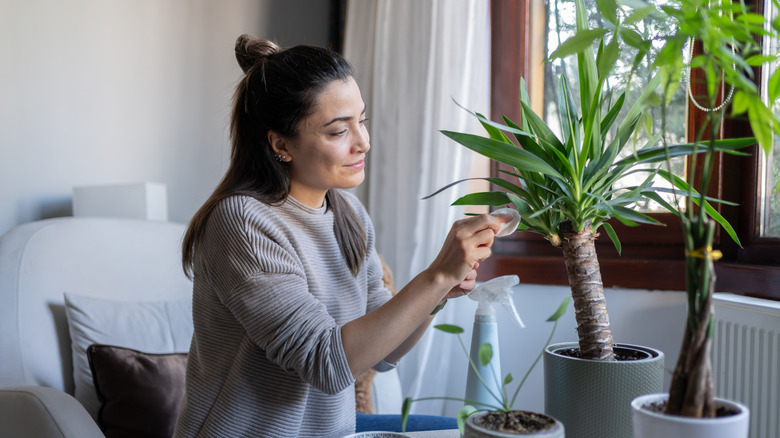
Although it may come as a surprise, your plants can get dirty. Dust can build up on their leaves, and, over time, this can reduce how efficiently they photosynthesize. As a result, aim to wipe down your plant's leaves at least once a week. A soft-bristled toothbrush that you're no longer using can help get the job done. While dust may not require a specialized tool outside of a damp rag, using a toothbrush helps tackle tougher grime, such as honeydew from pests or the pests themselves.
Shower liner
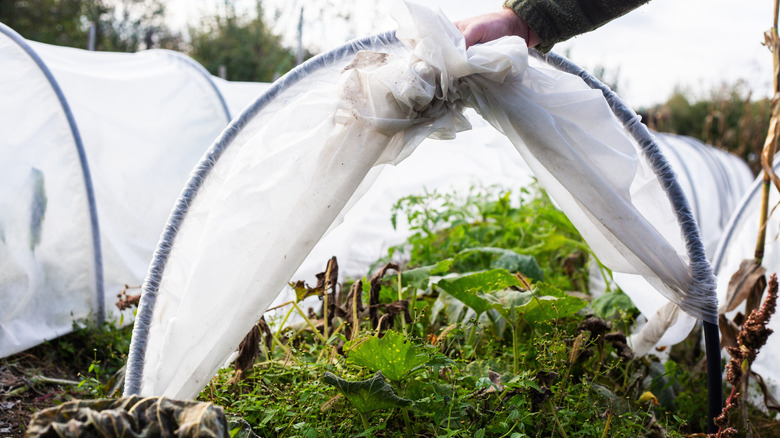
If you're anticipating a cold spell, then a plastic shower liner or curtain can be a game-changer for your outdoor plants. There are many ways to insulate your plants when the temperature starts to drop, whether through mulching or investing in store-bought protective covers. However, if you're in a pinch and need a solution quickly, your plastic shower liner can help keep your plants warm and protected from the frost. For best results, weigh down the liner's edges to prevent it from blowing away, and ensure the plastic doesn't touch the plants directly.
Bamboo toothbrush
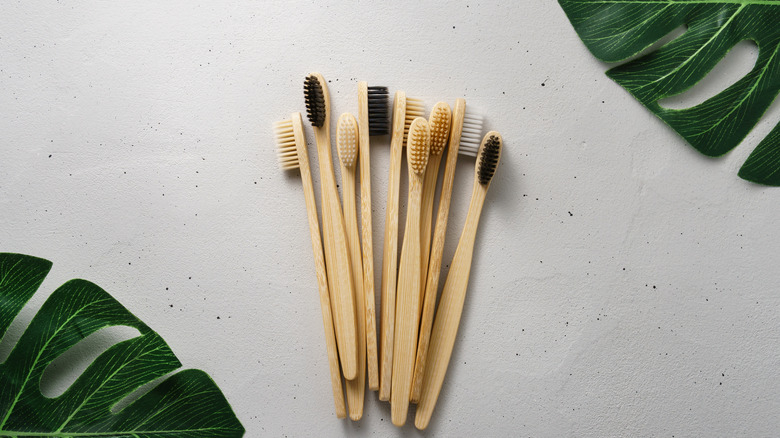
You already learned that a soft-bristle toothbrush can help you clean your plants. If you're replacing a bamboo toothbrush, you can give it a second life in your garden. So long as you take the time to remove the bristles beforehand, bamboo toothbrushes will eventually break down and compost in your garden. However, this can take several years. To make use of your toothbrush while waiting for it to compost, use a permanent marker and turn your toothbrush handle into a plant label.