

8 Everyday Items To Help Mums Thrive And Improve Soil Conditions

In the fall garden landscape, mums (Chrysanthemum) are the gift that keeps on giving, sometimes literally. The hardy mums you'll find in nurseries are perennials that will greet you with recurring blooms every year in yellow, pink, white, and more colors than can stand out like jewels on an overcast day. Garden borders are popular spots for chrysanthemums, which grow outdoors in USDA Hardiness Zones 3 through 9, reaching heights of up to 36 inches. Along with access to full sun, mums also benefit from well-draining soil chock full of organic ingredients, some of which you may have handy in your home or yard. Adding in items like grass clippings, Epsom salt, and more will help your mums thrive as well as bolstering the health of your soil.
Before stressing over the perfect soil amendment, it should be a relief to know mums will generally flower, even in less than ideal conditions. Better care can result in more flowers, though, and keep their foliage from yellowing.
Timing also matters to the vigor of mums. Although they put on their main dazzling show during autumn in the northern United States, you should plant mums in the spring so their root systems can adequately develop. Even in the richest soil, blooming mums that are planted in fall may not have enough time and energy to do this, so you're better off waiting for warmer weather to transfer them from pots into the garden.
Epsom salt
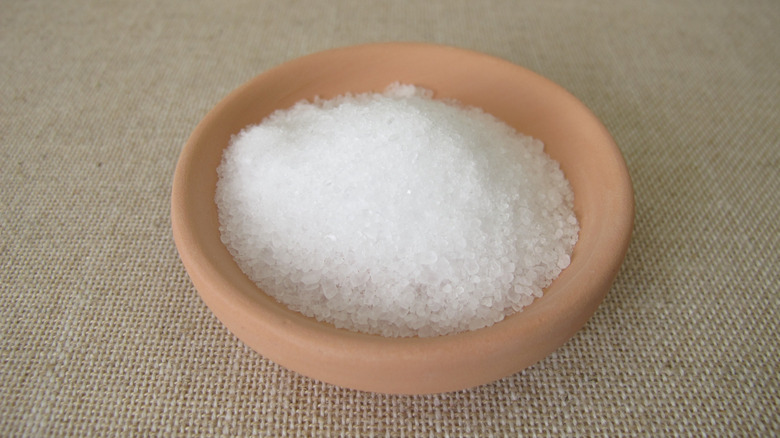
That Epsom salt under your bathroom sink is actually a magnesium source even professional mum growers apply to the plants. Yellowing older leaves may be a sign the growing medium needs more of this nutrient. When you spray a solution of water mixed with Epsom salt onto your mums, the soil gets a magnesium fertilizer boost that can help chrysanthemums photosynthesize better, keeping the leaves healthy and green. To try this household plant hack, mix a teaspoon of Epsom salt with a gallon of water in a spray bottle or watering can and apply it to growing mums.
Grass clippings
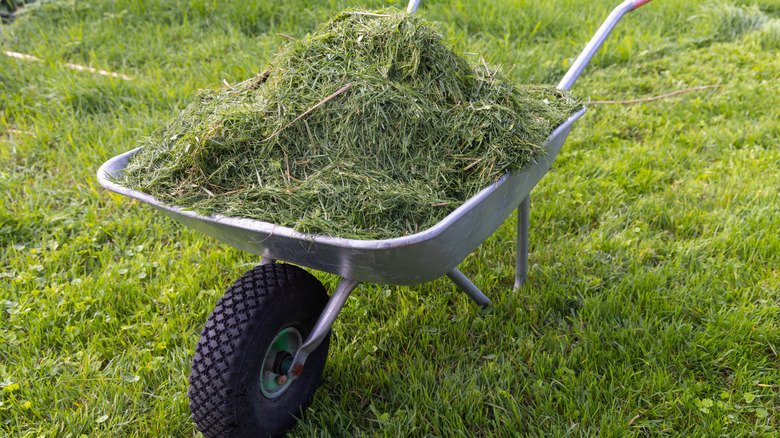
It's advised to pile a few inches of mulch around newly planted chrysanthemums, and some of the ingredients can be from the garden itself. Consider reusing grass clippings by incorporating them into the mulch that will protect the perennials' roots throughout the winter, a vital part of keeping mums alive year-round. When using grass clippings, make a thin layer so you don't block the plant's air exchange. Blades of grass can also be a good ingredient for compost, which you can enrich soil with before planting your mums.
Banana peels
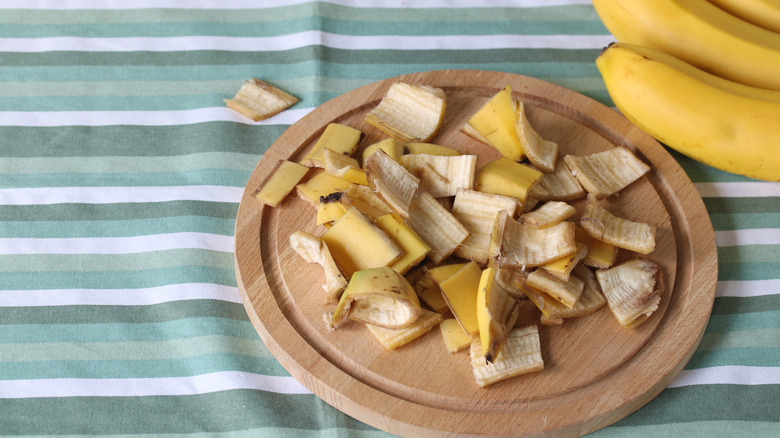
Kitchen scraps including banana peel can be an ingredient for the compost that helps mums' soil drain well, but there are other ways to experiment with your fruit leftovers. When you chop up the peels and bury a few pieces in the soil, you're creating a source of phosphorus, a nutrient found in balanced fertilizers which aids in keeping roots strong. Another option gardeners have tried is soaking a banana peel in water for a day or two, and then sprinkling that water on the soil around chrysanthemums.
Potting soil
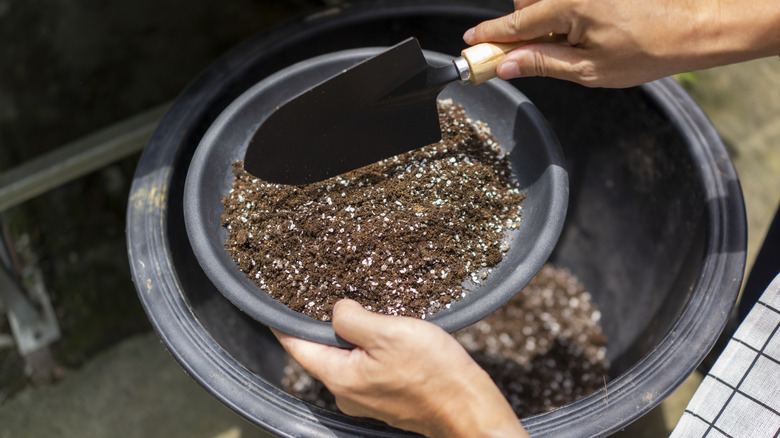
Even though it's best to plant hardy mums in the garden where their underground roots can anchor them through the seasons, premade potting soil is a useful ingredient to have on hand. You can reuse the potting soil left over from your houseplants when you prep your soil for successful planting, especially if you don't have any compost handy. Pouring the potting mix into the bottom of the hole where you're planting chrysanthemums accomplishes the step of adding organic matter, setting the plants up for healthy growth.
Alfalfa pellets
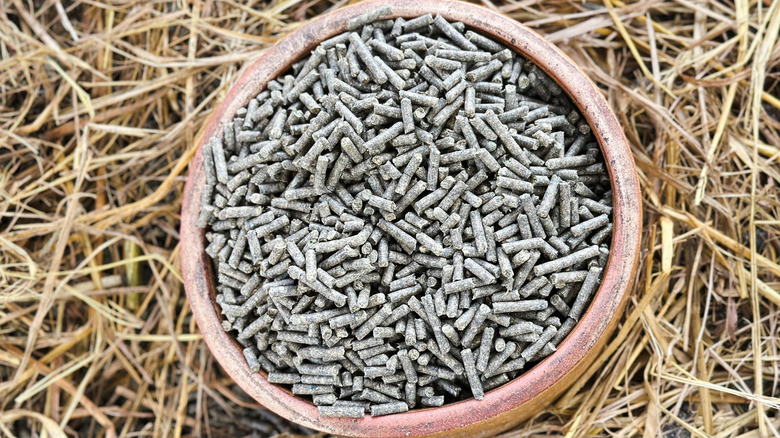
If you keep alfalfa pellets to feel animals, they can double as a soil helper and root strengthener when you're growing mums, adding an organic balance to dense clay soils. Gardeners also use alfalfa since it contains nitrogen and a growth stimulant called triacontanol. One way to incorporate the pellets is to leave them overnight in water, then mix them into compost. The alfalfa breaks down slowly to condition the soil over time. Other options include tossing pellets into or on top of the soil when planting mums, or making a drench by adding them to water.
Sand
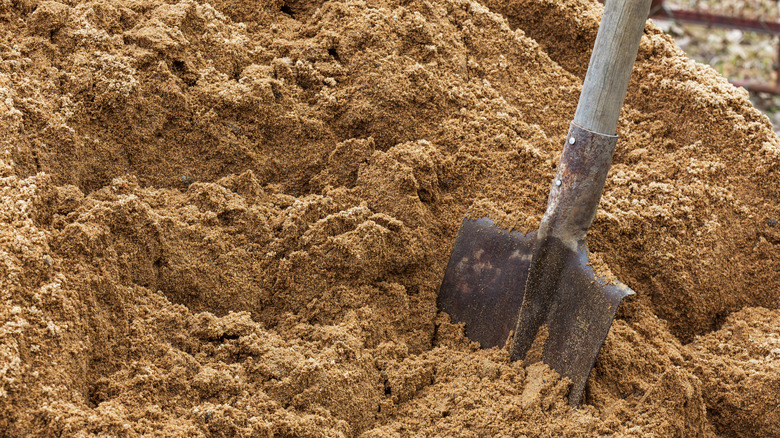
Mums prefer well-draining soil and hate wet feet, so raid the sandbox and mix some sand into their growing medium if your soil tends to hold in water. Sand, which you can mix into a topsoil, helps water move through it instead of getting trapped around the plant's roots. The grains also let more air in, which lets roots breathe and nurtures microbes that improve the soil. This is an ingredient you can skip if you live in an area with naturally sandy soil — you don't want the soil to drain so well that nutrients wash away.
Evergreen branches
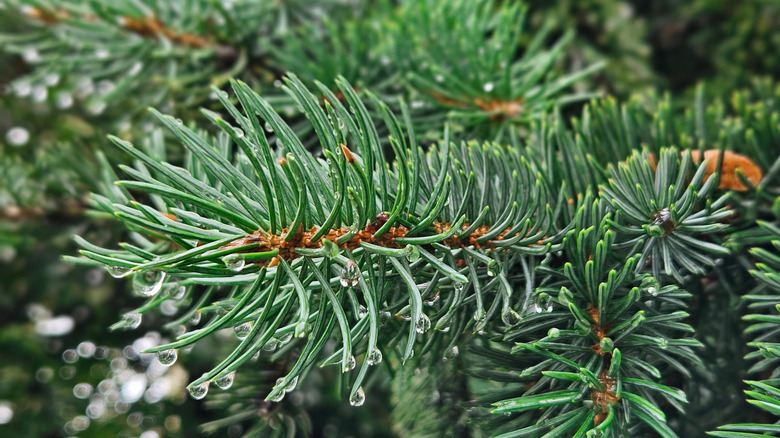
When you plant mums, you can arrange evergreen branches in a layer on top of the soil as a mulch. The layer can be 1 or 2 inches thick, or even thicker if you're taking a chance by planting the mums in chilly autumn weather. The branches will nestle in like a comfy blanket shielding your chrysanthemums from harsh conditions, so it's good to incorporate them when you are overwintering the plants. They're not as necessary to keep around in springtime after your plants have made it through the coldest time of the year.
Tea leaves
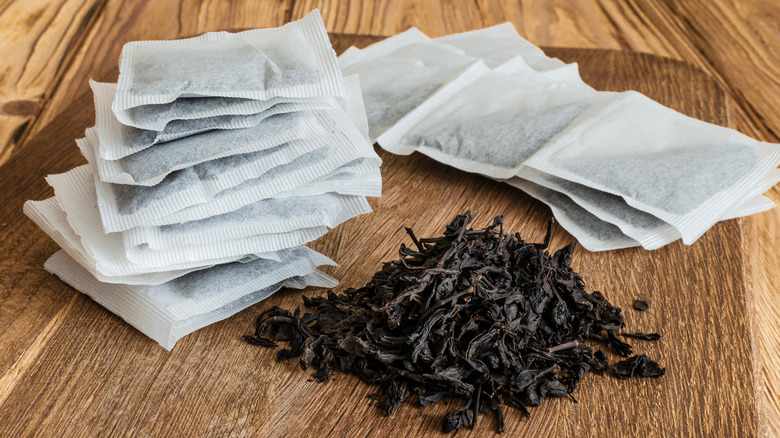
To make sure you have the fertile soil mums thrive in, you can go into your cabinet and cut open tea bags. Mixing tea leaves into the soil is one easy way to add organic materials for the benefit of plant and soil health. If you're making a compost to enrich the soil before planting, tea leaves can also be a component. However you add them, you can look forward to stronger roots and all the magic that earthworms work on garden dirt as a result.