

The Worst Time To Use Pre-Emergent For Winter Weed Control
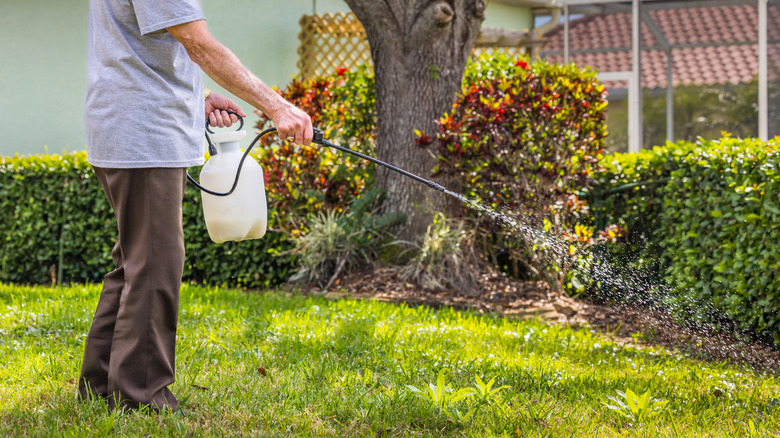
Maintaining the most beautiful lawn on the block often feels like a constant battle against weeds. This is why many homeowners turn to a secret weapon: pre-emergent herbicides. But what is a pre-emergent? While it doesn't kill existing weeds, it does prevent new ones from sprouting. When you put it on your lawn, it forms a protective chemical barrier just beneath the soil's surface. As a weed seed begins to germinate, it absorbs the herbicide and dies before it can even break the ground. So, what is the worst time to use them for winter weed control? Once it is below 55 degrees Fahrenheit, essentially, during winter through early spring.
The primary reason pre-emergents are a homeowner's favorite is their proactive efficiency. Instead of breaking your back pulling weeds or spending hours on a hot day spraying any of the top-rated weed killers that won't kill your existing grass, this method stops the problem before it begins. By preventing germination, you interrupt the life cycle of annual weeds, such as notorious bluegrass (Poa annua) and pesky chickweed (Stellaria media), and greatly reduce the volume of weeds you'll have to deal with in the spring. Pre-emergents offer a low-effort, high-reward approach that gives you some peace of mind through the winter months.
When is the best time to apply pre-emergent herbicide?
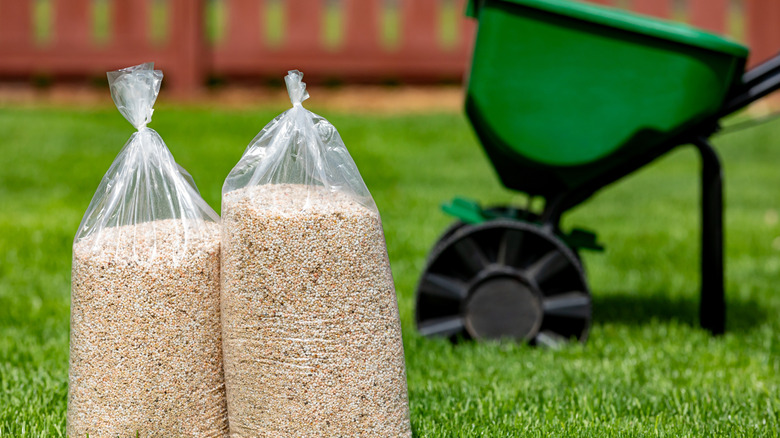
When it comes to the application of pre-emergent herbicides, timing is everything. For example, the absolutely worst time to apply the product is late winter or early spring after the weeds have already started growing. If you see those unmistakable green shoots of Poa annua, chickweed, or henbit (Lamium amplexicaule) popping up in your dormant lawn, those seeds have already germinated, so applying a pre-emergent is a complete waste of time and money (although there are clever tips for getting rid of cool-weather annual weeds).
What's the best time for winter weed prevention, then? This falls typically in that early to mid-autumn range, or even just slightly earlier. Generally speaking, when soil temperatures drop below 70 degrees Fahrenheit but before they reach 55 degrees Fahrenheit. This cooling period signals the exact moment that winter weed seeds begin to germinate. A fall application ensures the protective barrier is in place to catch these seeds before they can establish themselves. Always check your specific region's optimal timing, so targeting the first few weeks of September through October provides the best results for most locations.
One huge caveat, however, is never to apply pre-emergent if you plan on newly-seeding, reseeding, or overseeding your lawn. Pre-emergent herbicides do not differentiate between weed seeds and grass seeds, and they'll stop either from sprouting. If you have just seeded, wait until the new grass has fully matured before you even consider applying pre-emergent. Plan your seeding for a time that won't conflict with your fall weed control efforts, and your lawn will thank you with a healthier, cleaner look come spring.