

What Homeowners Can Expect As AC Systems Continue To Evolve

Few feelings compare to the relief of a cool blast of air from an air conditioner on a hot summer day, especially with average temperatures continuously rising across the United States. From the manufacturing process and materials to the cooling agents and energy use, air conditioners have a significant environmental impact, yet more and more people are turning to them to beat the heat. And cranking up an outdated AC may be making the problem worse. In fact, in residential homes, HVAC units are the highest consumers of energy. Older HVAC units, in particular, rely on cooling methods that emit copious greenhouse gases and use lots of energy. Luckily, recent innovations in the air conditioning field might be able to help break this cycle by turning to more sustainable and energy-efficient designs that will help the planet and maybe even reduce energy costs.
From new environmentally friendly and energy-efficient designs to easy-to-use smart devices that give users better control and knowledge of their systems, the air conditioning industry is in the midst of some major changes that will certainly impact consumers. Plus, these advancements are occurring across all the different types of air conditioning units people may be considering for their homes. Some technologies completely change the system, especially as they integrate alternative methods like evaporative cooling. France-based Caeli Energie, for instance, unveiled new heat exchange technology that eliminates gasses and the need for an outdoor unit while reducing energy consumption by up to 80%, according to the company. While it is difficult to know exactly how these innovations will impact people's wallets as they become available, there are some clear benefits to these advancements that may convince homeowners to get a new air conditioning unit in the next couple of years.
What the latest AC tech looks like
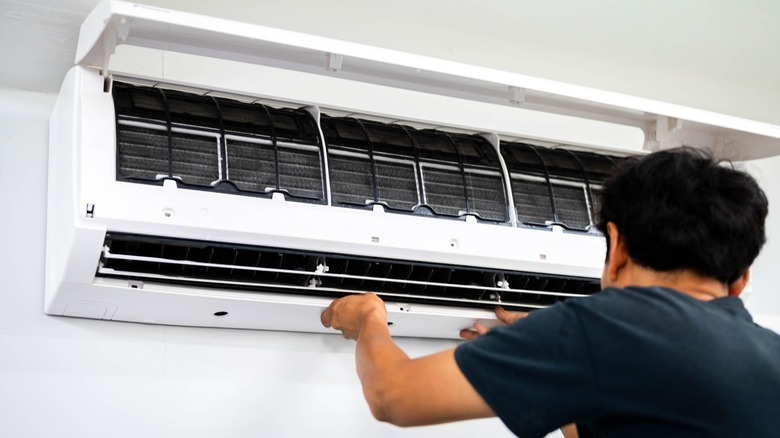
While some new products totally reinvent the AC concept, traditional models are improving as well. One change that nearly all air conditioning brands are making in 2025 and 2026 is a move to an updated refrigerant with a lower Global Warming Potential, as required by new standards. Air conditioners that use the new refrigerants, such as R290, a propane-based refrigerant, have a very low environmental impact and are already being implemented in models from popular brands, including Midea, Gree, and Haier. Because new air conditioners that are compatible with these refrigerants adhere to new standards while older models do not, homeowners buying new air conditioners may even have trouble finding new units that do not utilize these new refrigerants. In addition to refrigerants, improvements to coils, compressors, heat exchangers, and fan motors mean that new models use less energy while still being effective.
Finally, there are major upgrades coming to the usability in the form of smart controls and systems. The latest models incorporate smart functionality that allows users to monitor the performance of the system and schedule maintenance based on information from the unit. This can reduce costs and issues associated with straining machines and prevent problems from worsening over time, potentially saving on repair costs. With features like temperature scheduling, AI-enhanced energy-saving modes, and remote operation, smart technology innovations can change the use habits of homeowners, making it easier to figure out the most cost-effective way to run an air conditioner in the hotter months.
What is the financial impact of these innovations?
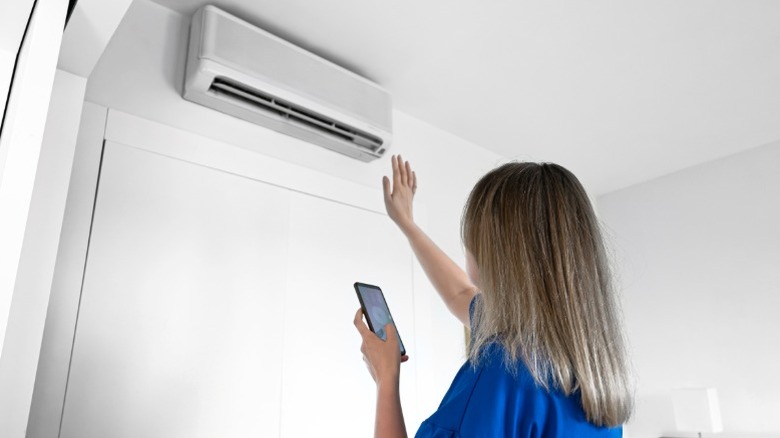
As exciting as these advancements sound, homeowners may want to consider the cost before investing in upgrading their home's air conditioner. When shopping for new units, consumers will see higher prices on new models compared to traditional basic units. On the other hand, innovative designs may help homeowners save on energy costs due to their increased efficiency, allowing them to quickly recover the initial cost difference. Tech is improving rapidly, as are the results. For example, Asian companies Gree and Daikin won the most recent Global Cooling Prize (awarded for cooling technology innovations), using advanced sensors and cooling methods to reduce energy usage by up to 60% and have a climate impact up to five times lower than standard units. Additionally, maintenance costs may jump up as manufacturers move away from providing parts for the old units, especially for units that use old refrigerants that do not comply with the latest standards.
Overall, in the coming years, innovations in the air conditioning industry will only continue to spread across brands, making it easier than ever to pick the right AC unit for your home. Buying soon is a good idea for anyone looking to save even more money, though, as consumers may be eligible to get a federal tax credit (expiring at the end of 2025) of up to 30% of the cost of purchasing and installing an energy-efficient model meeting certain standards, such as using an updated refrigerant or achieving a good Seasonal Energy Efficiency Ratio. Homeowners should also check for any possible state or local rebates that may apply. Of course, if your current air conditioning unit is relatively new and in solid shape, waiting for even more innovations to appear may be the smarter idea.