

10 Fertilizers That Boost Potassium In Garden Soil (That Aren't Bananas)
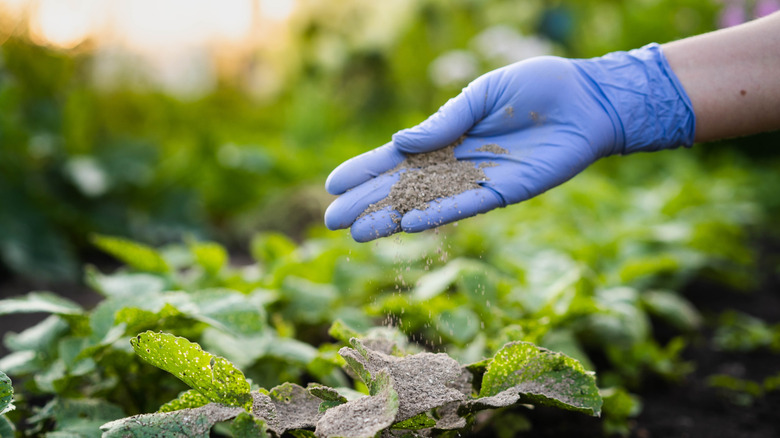
You have probably seen "NPK" written on fertilizer bags. That "K" there stands for potassium. Potassium is not just a side nutrient. In fact, potassium is one of the three most important nutrients for plants, right along with nitrogen and phosphorus. There are a ton of fertilizers out there that can help boost potassium in garden soil if you just know how to choose the right potassium fertilizer for your leafy friends. Examples include synthetic fertilizers such as potassium sulfate, potassium chloride, and potassium nitrate, as well as organic options such as wood ash, kelp meal, and bat guano. However, don't just go dumping these fertilizers in your garden soil just yet. Even though plants need a lot of it, you shouldn't just add it randomly.
First, look for the telltale signs showing that your plants are desperate for potassium fertilizer. These include wilting plants, smaller-than-normal leaf blades with a bluish-green color and a metallic sheen, and blotchy chlorosis in older leaves. Then, do a soil test. Only then should you use a fertilizer based on the results because sometimes it is not the lack of potassium in the garden soil that is the issue. Common gardening issues like soil compaction, pH imbalances, and improper watering can limit potassium absorption — even if there is enough of it in the soil.
Potassium chloride
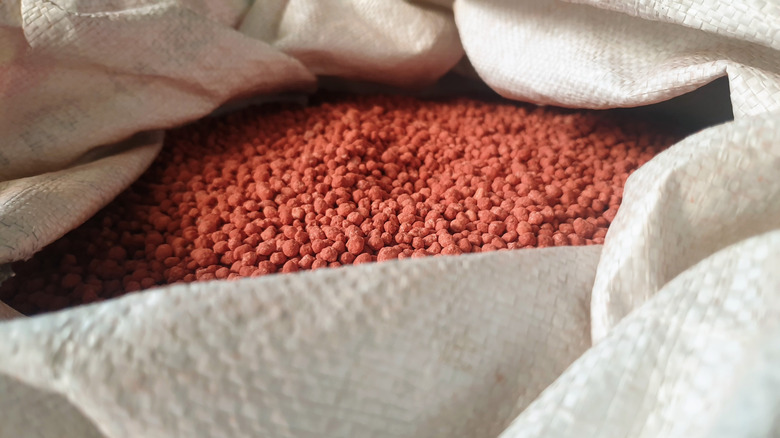
Also known as muriate of potash or potash, potassium chloride is a mined potassium salt containing roughly 50 to 52% potassium and is one of the most commonly used potassium fertilizers due to its low cost. It dissolves easily in water. This gives plants immediate access to potassium, enhancing both vigorous growth and robust root formation. However, don't apply it to acidic soils with a pH below 5.5. It can lead to manganese toxicity in plants.
Alfalfa meal
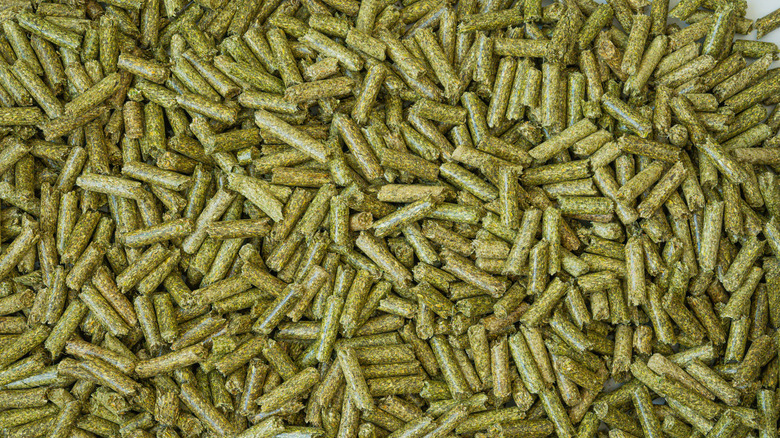
Alfalfa meal is made from alfalfa plants (Medicago sativa). It is an organic soil amendment, and despite its relatively low potassium content (about 3%), it is still more than enough for general garden use. Plus, it does more than just feed the plants. It improves the soil's texture as well. You can use it on all kinds of plants, from vegetables to herbs and flowers to shrubs. Just be careful when using it on flowers and some vegetables. It contains quite a bit of nitrogen, which is good for leafy growth but can limit bloom production.
Potassium sulfate
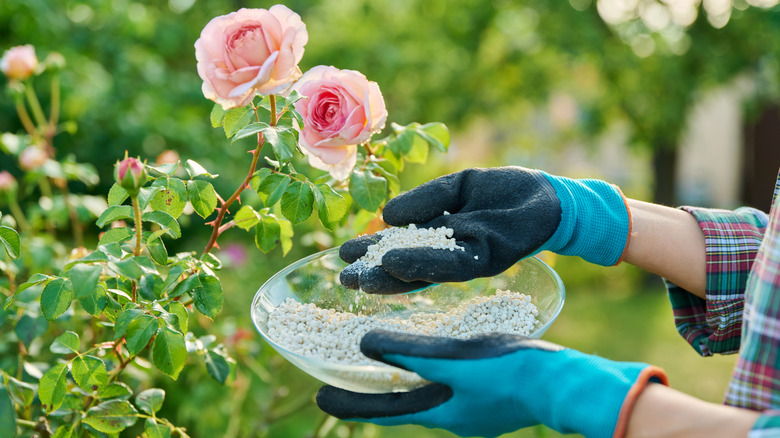
Potassium sulfate is a great option for gardeners growing chloride-sensitive plants such as potatoes, legumes, peaches, and avocados who cannot fertilize with potassium chloride. It is, though, still highly soluble in water and an excellent source of potassium (50%) and sulfur (18%). And plants need sulfur too. The best time to use it is during key growth stages, like working it into the soil before planting or when plants are just starting to grow, when the need for potassium is at its peak.
Bat Guano
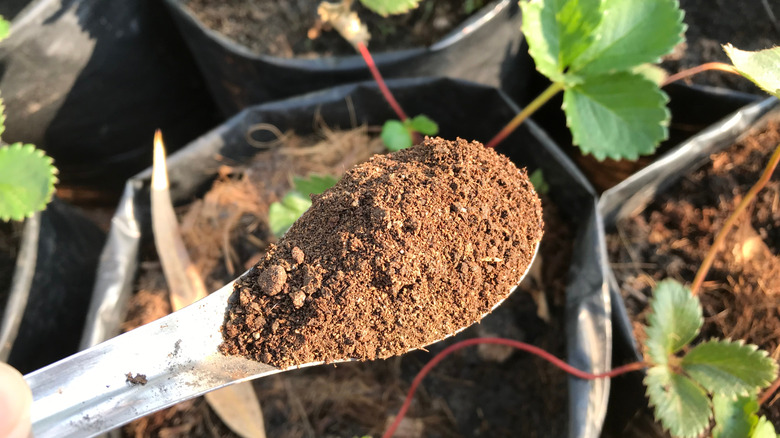
Guano, derived from the excrement of bats (sometimes also birds and seals), is also a highly effective natural fertilizer and a modest potassium booster for garden soils. It is about 2 to 3% potash. In addition to feeding the soil, guano is also a soil health booster. It increases microbial activity and acts as a soil-building material. What's great about guano is how versatile it is. You can mix it into the soil, apply it as a side dressing, or even make a strong guano tea or foliar spray.
Sul-Po-Mag
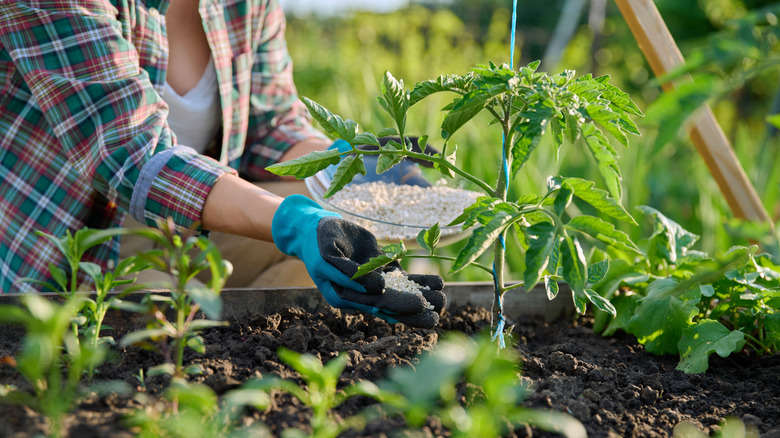
If you want an all-in-one approach to fertilizing your garden soil, choose Sul-Po-Mag. It has about 22% potash, 22% sulfur, and 11% magnesium. Furthermore, it is completely water-soluble and releases nutrients slowly. This means you apply it once, and your plants will have access to potassium for a long time to come. It is made by crushing a natural mineral called langbeinite, and the best part? It won't mess with your soil's pH like some other potassium fertilizers do.
Seaweed Fertilizer
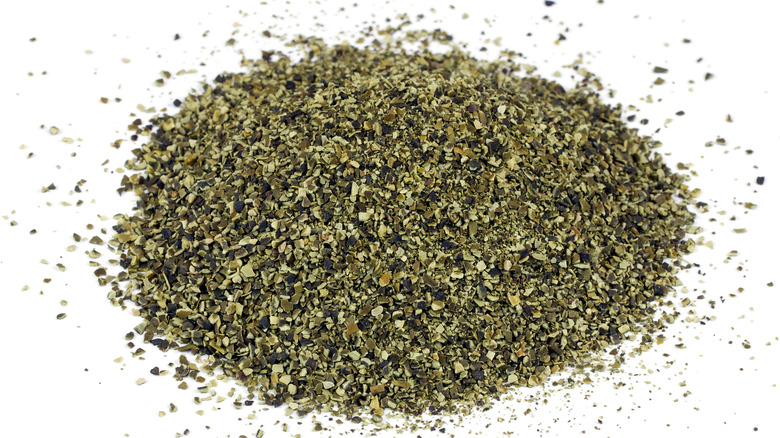
Seaweed fertilizer is made from marine seaweed. You can find it as liquid, powder, or granules. It is perfect for people who don't want synthetic products or animal-based fertilizers. Seaweed fertilizer is packed with potassium (anywhere from 2.8 to 10%), depending on the species, as well as nitrogen and phosphorous. The best way to use seaweed is to spread it right on top of the soil instead of digging it in; however, if you are using a liquid option, mix and apply with water based on the instructions on the bottle.
Potassium nitrate
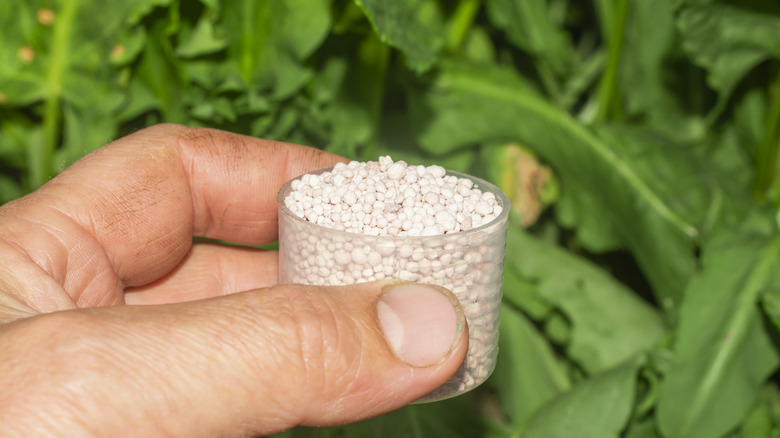
Potassium nitrate is another option for people looking to boost potassium levels in their garden soil, but without the chloride that comes with potash. It is about 45% potassium; however, it also has 13% nitrogen, which is another nutrient that plants need in large quantities. Potassium nitrate can be applied as a dry powder or dissolved in water, either before or during the growing season. Just don't use it excessively. It can lead to soil acidification and nutrient leaching.
Wood ash
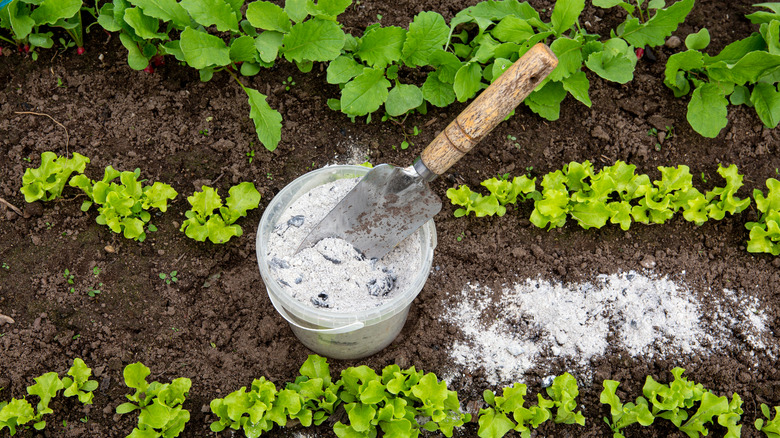
Wood ash functions as both an effective soil amendment and a fertilizer. It contains calcium, potassium, and a few other nutrients. The calcium content in wood ash lingers around 5%. It should therefore come as no surprise that gardeners use wood ash as a fruit tree fertilizer. Nevertheless, wood ash is especially valuable for acidic soils, as its natural liming effect helps raise pH levels. However, pay attention to the source of wood ash. Painted or processed wood contains certain chemicals that can persist in ash and, when added to the soil, can be toxic to plants.
Rock dust
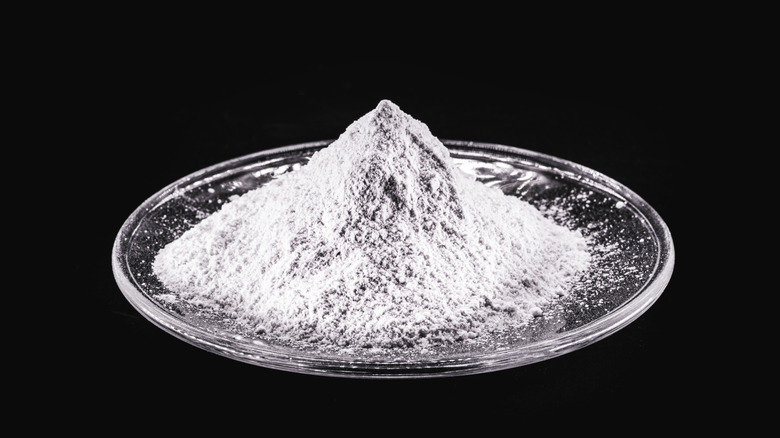
Rock dust is about as impressive as a natural fertilizer can get. It adds a bunch of essential minerals, including potassium and other trace elements, to the soil. Furthermore, it enhances soil structure, and improves nutrient-holding capacity. Its potassium content typically hovers around 5%. To achieve optimal results, rock dust should be applied before seeding a specific crop. You can either sprinkle it directly over your garden bed and water it in. Or dissolve it in water first and then apply it to the soil.
Comfrey
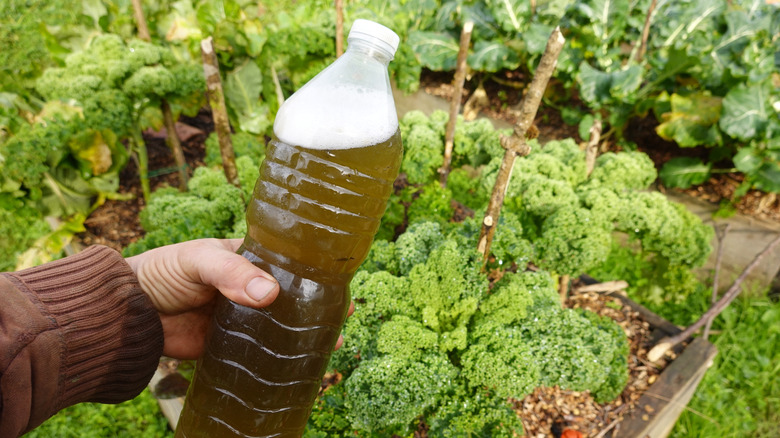
Comfrey is not a fertilizer; it is a plant. However, you can use comfrey leaves to make a potassium soil booster for your garden. Just put about 2 pounds of chopped comfrey leaves and stems in a bucket, fill it with 2½ gallons of water, cover it, stir every day or two, and when the mixture stops foaming, it is ready to go. Dried comfrey leaves contain about 6.5% potassium. But make sure that the leaves you use are healthy.