

16 Things To Stay Away From Buying For A More Sustainable Home
We may receive a commission on purchases made from links.
As recently as 2018, the US Environmental Protection Agency estimated that American households produced a total of 292.4 million tons of solid municipal waste. While some things it's almost impossible to avoid throwing away, there are lots of more eco-friendly options for household products, like recyclable and reusable food storage or water bottles. We all live in an economy that inevitably creates pollution. But there are also sustainable steps each of us can take to limit our impact by changing our buying habits in the home.
In some cases, it can be a bit more expensive to lower your household's carbon footprint, because you'll have to shift your household's consumption away from cheap, disposable goods, which are unfortunately part of our standard consumption. But as you'll see, there are even several carbon-reducing substitutes that will save you money in the long run. Here are some household products you can quit purchasing now to help make your home more sustainable.
Single-use storage bags
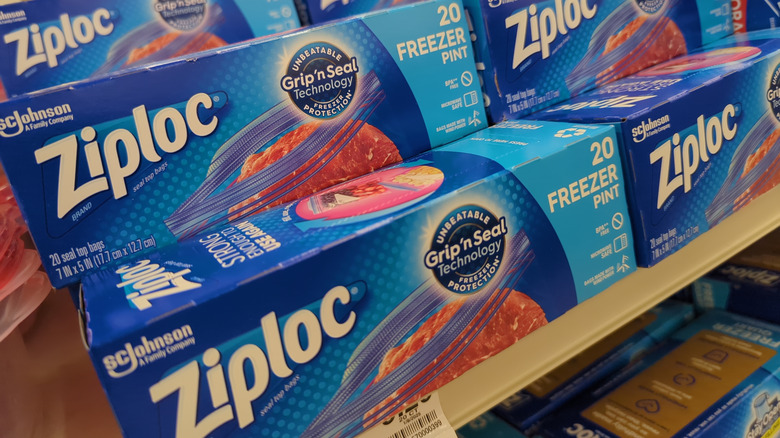
Plastic bags are convenient, and they tend to keep food fresh. If you need to pack a lunch for work or bring a snack like trail mix along for a hike, Ziploc is a go-to. Most plastic bags are made from polyethylene, a material derived from non-renewable fossil fuels. When burned, plastics release carbon dioxide and other greenhouse gases. In the US, plastic bags have very low recycling rates—typically under 10 percent—because producing new bags from virgin plastic is cheaper than recycling them. The solution, at least for your home, may be reusable snack bags.
Many reusable bags are still made out of plastic, but they are a little bit thicker, which will make it easy for you to rinse out with soapy water. They are more expensive than Ziploc bags, but you will save money in the long run. A 10-pack of Qinline Reusable Storage Bags sells for about $14. If you cook a lot of meat, these bags are excellent for marinating.
Bottled water
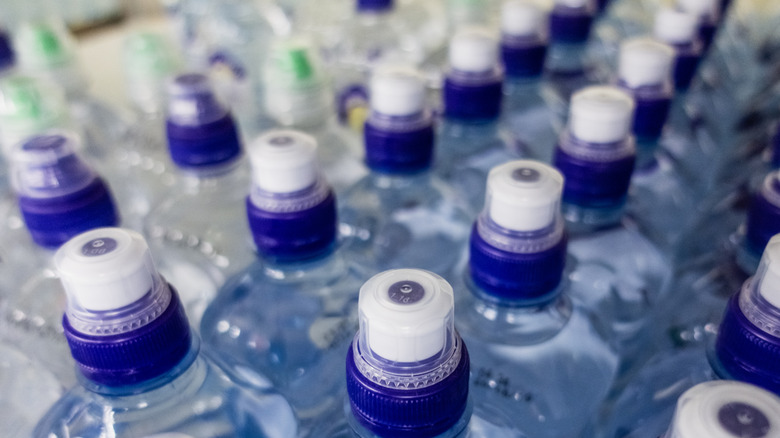
Americans use roughly 50 billion disposable bottles annually. The production of bottled water is far more energy-intensive than tap water. Bottled water has also been shown to contain higher levels of micro-or nano-plastic particles than many samples of tap water. Because of the large number of bottles, low recycling rates, and high resource demands, widespread bottled water use raises serious sustainability concerns.
We can do our part to protect our wallets and the environment by switching away from plastic bottles. The vast majority of American tap water is safe to drink without any filtration, but if you have concerns, you can just buy a filtration system, like a Brita faucet filter, which you can get for $30. To reduce your reliance on plastic bottles when you leave the house, try switching to reusable aluminum bottles. The bottles are often insulated too, so they will keep your water colder than plastic will.
Single-use chopsticks
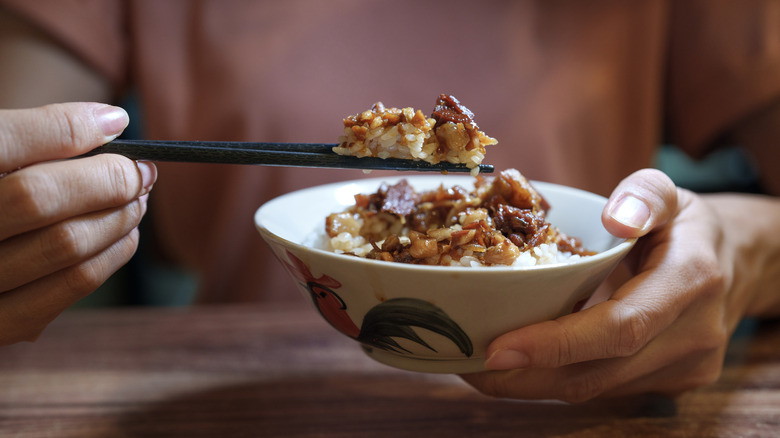
Single-use chopsticks, also called waribashi, became widespread in Japan in the 19th century by laborers who needed disposable utensils to eat lunch with. As consumer culture grew, this cheap improvisation became a product. The only problem is that an estimated 80 billion pairs of disposable chopsticks are sold worldwide each year. What makes matters worse is that many reports now say the wood, which includes birch and poplar, is often treated with chemicals that make it non-biodegradable.
Reusable chopsticks can help solve this sustainability crisis. Most cities have neighborhood markets where you can purchase sets of reusable chopsticks with evocative designs for anywhere between $10 and $60. Just don't forget to ask them to leave out the chopsticks next time you order takeout. If you do end up with disposable bamboo chopsticks, some major cities across the globe have ChopValue collection services that recycle them into furniture and home goods.They do this through local partners and drop-off points.
Makeup wipes
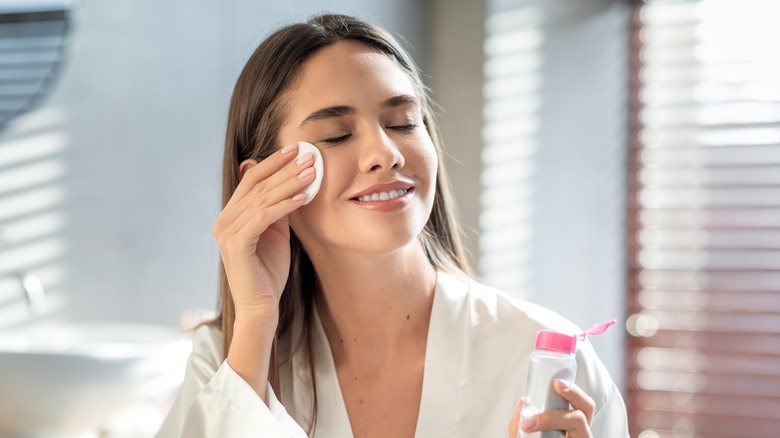
When you remove your makeup at the end of the day, you probably stop thinking about the cosmetic wipe the second it lands in the trash, but that's just the beginning of a decades-long journey.Many makeup wipes are made with synthetic fibers like polyester that are not biodegradable. Instead of breaking down naturally, wipes fragment into microplastics, which can persist in soil and waterways for decades and contribute to environmental pollution. These microplastics can eventually make their way into the human body through air, food, and water.
Reusable substitutes for cosmetic wipes not only protect the environment but also save you money. For instance, you can purchase reusable makeup-removing pads like the Greenzla cotton rounds for $12. After you use these wipes, you can rinse them with soap and warm water by hand or throw them in the washing machine. You can also use microfiber cloths with natural oils like coconut or cucumber, which can dissolve makeup.
Plastic straws

Plastic straws also don't biodegrade when tossed in a landfill. Rainwater can wash tiny plastic particles out of landfills, carrying them through the soil and eventually into groundwater, rivers, and other parts of the water system. Pollution from plastics tends to concentrate near waste and industrial sites, which are more often located in lower-income communities. If you rely on straws when preparing drinks at home, reusable options help reduce this burden and keep more plastic out of the environment.
Paper straws are a far more sustainable option than plastic straws. They require less oil to produce, and they break down quickly, without harming the soil and water. And unlike plastic straws, which are known choke wildlife or even lodge in their intestinal tracts, paper straws are less likely to harm animals after you dispose of them. Of course, the paper still has to be harvested from forests, but companies like FreshCut Paperand Gator Paper Straws have tree planting initiatives that help to offset the environmental impact of harvesting. You can also use stainless steel straws and glass straws.
Rechargeable batteries
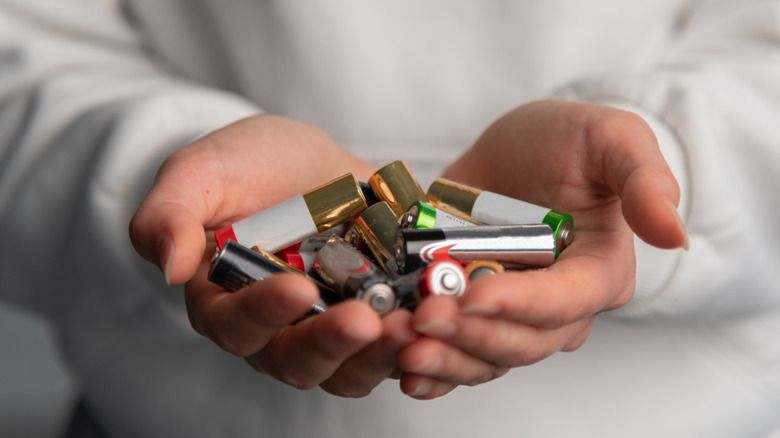
Many of the household electronic devices we use store power using batteries, and often, those batteries are rechargeable and tend to last for as long as the device. But some batteries only last for a single use before we have to throw them out. We find them in smoke detectors, flashlights, digital cameras, and clocks. To address the environmental impact of single-use batteries, companies now sell rechargeable substitutes. But should we follow the common belief that rechargeable batteries are the most sustainable option?
In theory, rechargeable batteries would appear to be better for the environment than the alternative. For instance, they require less-frequent reproduction and can be recycled after they stop working. But rechargeable batteries still contribute to environmental harm by leaching toxic metals like lead, cadmium, mercury, and cobalt. So, you need to make sure you recycle these batteries properly. While sustainable batteries are rare, the Better Battery Company offers a carbon-neutral alternative with fully recyclable single-use batteries that do not contain cobalt. You can buy a pack of 40 AA or AAA batteries for $30, which is about the same as a pack of Duracells.
Aerosol cans
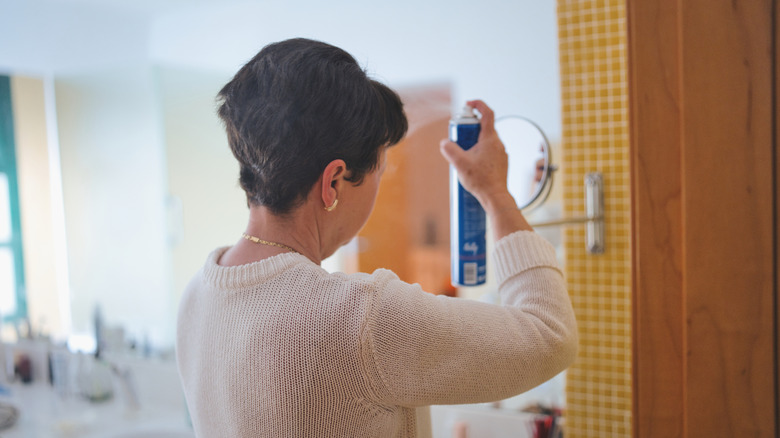
Aerosol sprays work because a propellant pushes the contents, whether it be paint or bug spray, out of the can. In the 1970s, the aerosol spray that millions of Americans used to achieve springy, voluminous hair (think Farrah Fawcett) was actually damaging the atmosphere. In response, the federal government banned chlorofluorocarbons in 1978, and the ozone is now on track for full recovery by 2066. But just because regulation has improved aerosol sprays, that doesn't mean it's good for the environment.
Modern aerosol sprays tend to use volatile organic compounds (VOCs), like propane and butane. When you spray these chemicals, especially in enclosed spaces, they can contribute to toxic smog. You can mitigate this harm by opting for substitutes like roll-on deodorant and sunscreen bottles. You can also use non-aerosol air fresheners or paint cans rather than spray paint. It's always a good idea to look for products that dispense their contents using a pump, which does not rely on aerosol.
Plastic wrap
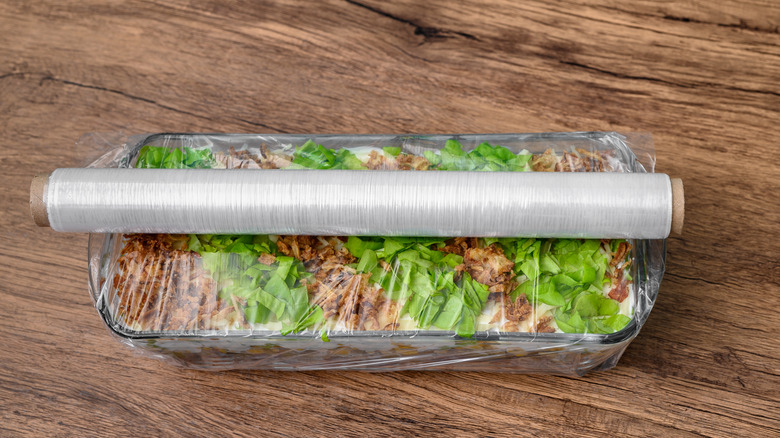
One of the easiest ways to make your home more sustainable is to stop using plastic wrap. First discovered by accident in a chemistry lab in the 1930s, this product is the thinnest form plastic, and variations on this original formula have become a staple in American kitchens, with hundreds of millions of rolls sold each year. This amounts to one big disaster for the environment.
Plastic wrap is particularly harmful because it is a challenge to recycle. This leads a lot of the discarded plastic wrap ending up in the ocean, where it will break down into microplastics or even absorb toxins and poison fish. These microplastics can enter human bodies when we consume those fish. For a more sustainable alternative, opt for beeswax wrap, or store your leftovers in lidded reusable containers.
Paper towels
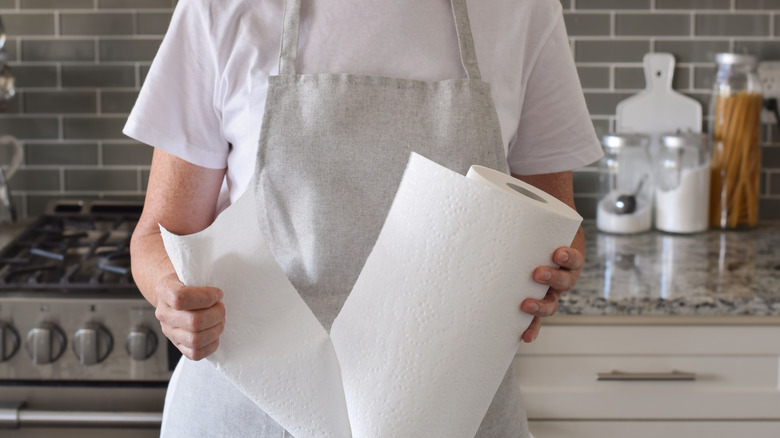
By now, you've probably started to notice a trend. Single-use items are consistently harmful for the environment, and paper towels are no exception. To produce a ton of paper towels, you must harvest 17 trees and pollute 20,000 gallons of water. We don't even need to stop buying paper towels altogether to have a great impact on the environment. If every household in the country used one less 70-sheet paper towel roll each year, it would save 544,000 trees. So, supplement your cleaning routine with reusable rags to reduce your carbon footprint.
You may also try reusable microfiber cloths. The material absorbs water and grease without scratching delicate glass surfaces, unlike paper towels, which can be abrasive on some surfaces. As long as you have a stack of microfiber towels ready to go, you'll be prepared to handle spills while eating or messes after you cook. Wash them along with your regular laundry, and reuse them all over again.
Tea bags

A cup of tea is a great way to warm up on a cold morning or settle down before bed, but not all teas are created equal. The primary thing you need to watch out for when buying tea bags is whether or not the bags contain microplastics. In 2019, Environmental Science & Technology estimated that human beings consume between 39,000 and 52,000 particles of microplastics each year. Some of those microplastics come from mesh or "pyramid" tea bags.
Some mesh tea bags are made with polypropylene, a nonbiodegradable plastic that can break down into particles under high brewing temperatures. Next time you go shopping, look for loose-leaf tea or tea bags made of cellulose or paper instead. There's also another benefit to buying paper teabags: there are several creative ways to upcycle these tea bags.
Dryer sheets
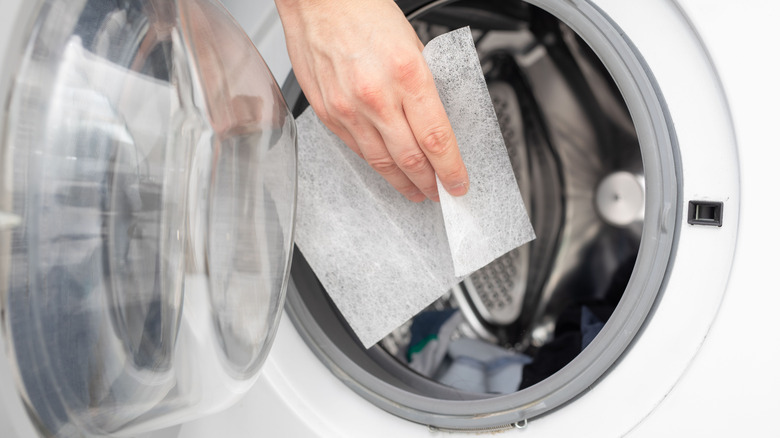
Everyone likes the fragrant smell of fresh laundry, but there may be a price to if you're not careful about the laundry you purchase. Dryer sheets, which release scents and softeners, are made of synthetic polyester, a source of microplastics, and contain VOCs, like acetaldehyde. The EPA classifies this compound as a carcinogen. As you do your laundry, the vents release it into the air.
There are several sustainable DIY alternatives to dryer sheets. Wool dryer balls are a reusable option that is not only able to prevent static clinging, but is also made with natural fibers and without petroleum-based chemicals. You can also catch that static with a ball of aluminum foil. If you live in suburb or rural area, you can even air dry your laundry using a good, old fashioned clothes line. There is something soothing about clothes flapping in the breeze in the fresh air, and there is no better smell than clothing dried in fresh air!
Non-biodegradable cleaning wipes
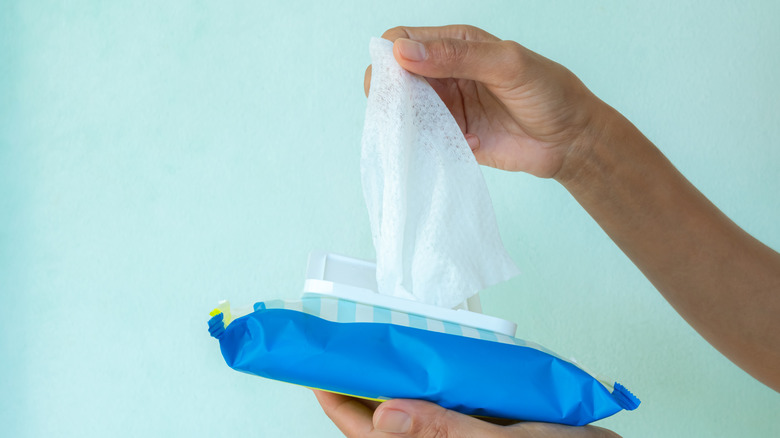
The best thing about disinfecting wipes is that you don't have to wash them after you clean up a mess. The same can't be said for dish rags or towels. The worst thing about disinfecting wipes is that they are made from synthetic fibers like polyester and polypropylene, which can release microplastics when they break down. Wet wipes also clump up in the sewage system, causing overflows of raw sewage into the rivers and streams. Especially after the COVID-19 pandemic began, Americans started relying on disinfecting wipes, but we should try to ditch cleaning wipes altogether.
Hydrogen peroxide is an excellent cleaning substitute because it is a biodegradable compound that kills germs and breaks down in water. You can also use Castile soap, which is made out of natural oils, to clean dirt and grime from any surface. White vinegar also kills germs because it contains acetic acid. Sometimes you need something with a little more strength to disinfect a surface, in which case you should try biodegradable wipes, like Crocodile all-purpose cleaning wipes.
Disposable lint rollers

If you work an office job that requires you to wear formal attire, you probably take a lint roller with you most places you go. When you own a pet, lint rollers become even more necessary. This has a damaging impact on the environment, because the torn-off sheets can end up in the waterways and landfills. The production of these plastic sheets also pumps carbon into the atmosphere because it requires the extraction and refinement of oil.
The reusable lint roller is a sustainable solution that all pet owners should opt for. It looks exactly like a regular lint roller, except it has fuzz where the sticky tape would be. This will allow you to remove lint and animal fur without ever wasting unnecessary plastic. Anything the tool collects will end up in a chamber that you can empty. You can also dampen a rubber glove or a microfiber towel and run them over your clothes and upholstery; the moisture and texture of these materials should pick up any hair.
Detergent pods
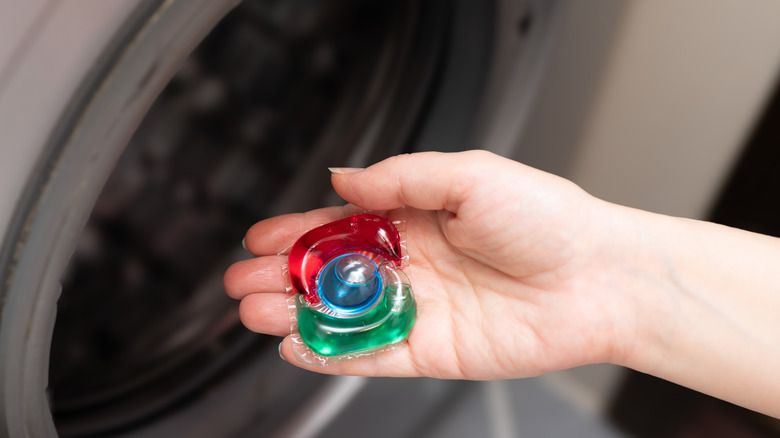
Even though laundry pods are convenient, these handy little detergent pods may have negative impacts on the soil and water. Detergent pods, as with all plastic products, require the extraction and refinement of oil to be made, which releases carbon into the atmosphere. Fortunately, there is a simply eco-friendly alternative: good old laundry detergent.
Various brands sell eco-friendly laundry detergent. For instance, Molly's Suds sells laundry detergent powder that is made without harsh chemicals or harmful synthetic compounds. The brand's products are safe for people with sensitive skin and work well with all washing machines. HeySunday offers sustainable laundry sheets that are made without plastic or toxic chemicals. The $25 packs come with 60 laundry sheets that are safe for the septic system.
Bottled cleaning products
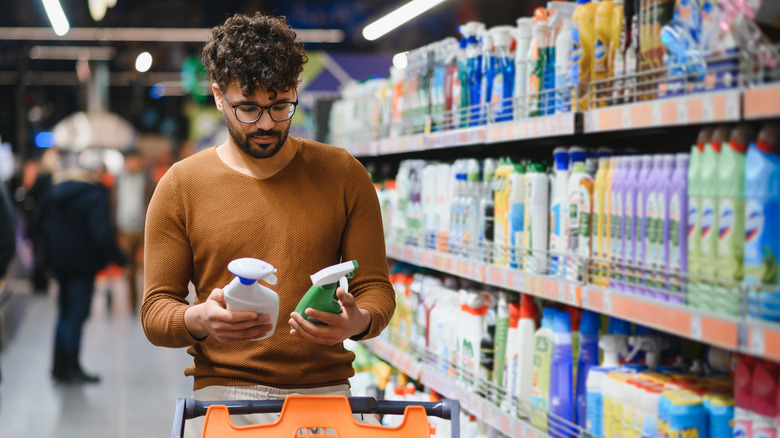
If you look under your sink, you're likely to find bottles of cleaning products. The bottles are made from non-renewable crude oil and take hundreds of years to fully break down. As those centuries pass, your Clorox and Lysol bottles will deposit microplastics into the waterways and soil. These bottles can also hold toxic chemicals like chlorine, ammonia, and phosphates. Once these chemicals end up in the ecosystem, they can cause immediate harm to wildlife. Like the containers, these chemicals also aren't biodegradable and contain VOCs that can contribute to air pollution.
There are several ways to shrink your carbon footprint if your household relies on bottled cleaning products. First, you can try to reduce your household's reliance on them by switching to natural cleaners like baking soda, dish soap, or vinegar. But at some point, you will need something a little more heavy-duty, which is why you should look for cleaning products that come in refillable containers. When you do purchase bottled cleaning products, make sure they have Safer Choice or Design for the Environment (DfE) seals from the EPA.
Single-use plastic utensils
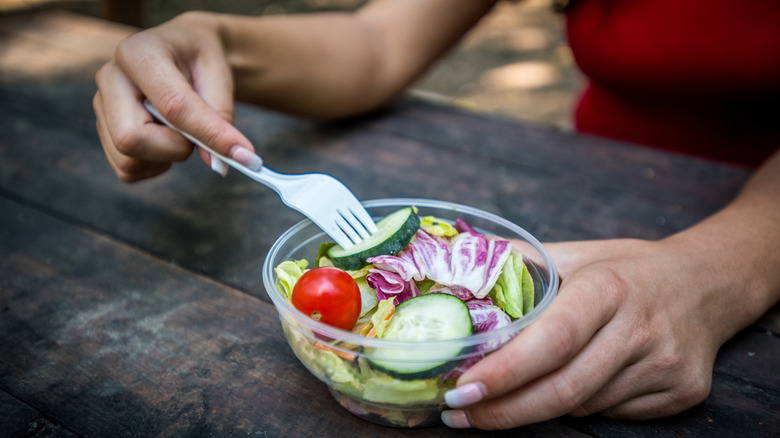
For parties, big dinners, or casual meals, it can be tempting to buy single-use plastic utensils. Plastic utensils may seem small, but they add up over time. Americans use up to 40 billion plastic utensils each year. Each of these utensils are also made of fossil fuels and does not biodegrade.
Plastic utensils don't only harm the environment during their production, but also immediately after they are disposed of. Forks, spoons, and knives have the potential to choke wildlife or even disrupt their intestinal tracts.Silverware or other reusable utensils are much better for the environment, so it's worth taking the time to do the dishes. Or, you can even purchase compostable utensils from companies like Green Paper Products, which use recyclable materials.