

13 Renter-Friendly Ways To Prevent Mold In Your Apartment
We may receive a commission on purchases made from links.
Renting instead of owning a home is often less stressful because you don't have the work of upkeep and repairs. But you still have some responsibility in keeping your rented home or apartment in good condition. Specific landlord and tenant laws vary by state, but you're generally tasked with keeping the space that you occupy safe and clean. You're also responsible for reporting any maintenance issues, damage, and other problems quickly. When it comes to preventing mold from entering your home, there are several things you can do as a tenant to keep your rented home safer and healthier.
Mold spores are everywhere, but they only start to grow in ideal conditions. Moisture is a key component for letting mold flourish, so a large part of preventing the potentially damaging growth is by keeping moisture levels under control. Fortunately, there are several renter-friendly ways to do that, from running a dehumidifier and keeping your AC on in the summer to using exhaust fans and opening windows for more air circulation. The steps you need to take may vary based on your living arrangements and the features in your rented home. For instance, if you have an in-unit washing machine, you'll want to keep the seal dry to avoid mold growth there. We've put together tips for preventing mold in your rental home to keep your space clean and healthier.
Run a dehumidifier in overly damp areas
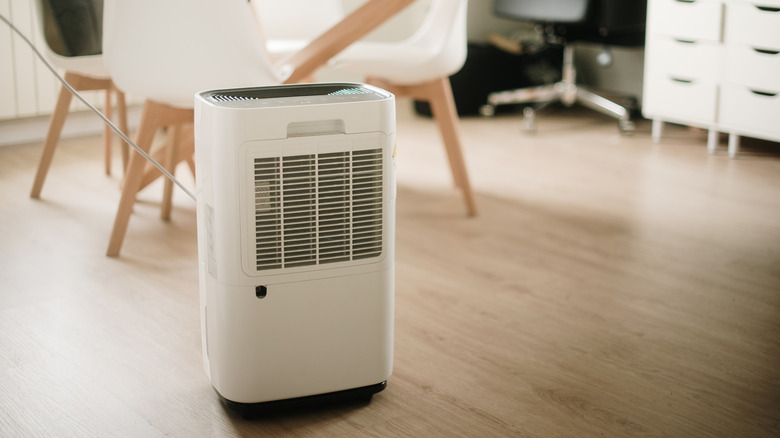
High relative humidity inside your rented home contributes to mold growth, especially if it reaches 60% or higher. Keeping the relative humidity level between 30% and 50% helps lower the risk of mold growth. Check the humidity level in your apartment with a simple tool like the Antonki Hygrometer and Thermometer. A simple solution for high humidity levels is running a dehumidifier. Portable options can go anywhere in your apartment to remove excess moisture. They suck the moist air into the machine to pull the moisture out, which goes through a pipe to a drain or collects in a bucket, and push the dry air back into the room.
Decide where you want to put the dehumidifier — there are many places you can use a dehumidifier to maximize the benefits. If you're renting a single-family home, you might have moisture issues in the basement, so you'll want to put the dehumidifier there. Some apartments may have general humidity issues, so you'll put the appliance in a common space. Choose a dehumidifier that can handle the size of your home — larger spaces typically require dehumidifiers with higher capacities. If you have a drain where you can run a hose, consider a model with a connected hose for constant drainage. Otherwise, dehumidifiers come with containers that you'll need to empty frequently when they fill with water.
Use the exhaust fans in the bathroom and kitchen
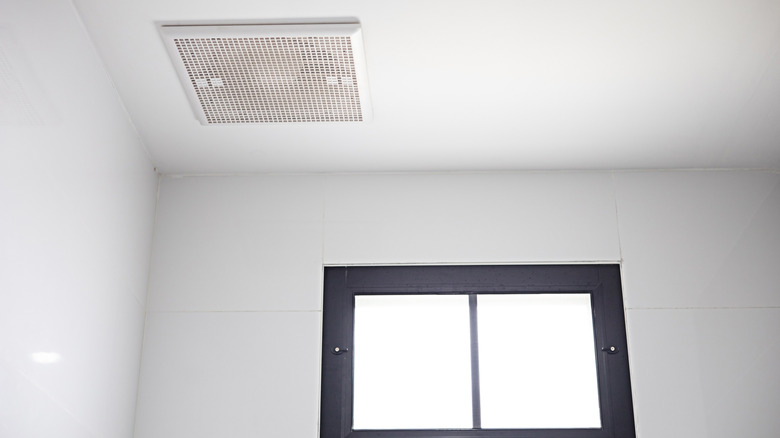
Daily activities, such as showering and cooking, create more humidity in your apartment. One of the many benefits of a bathroom exhaust fan is removing that extra moisture from your home, which helps reduce the risk of mold. Kitchen exhaust fans, often placed over your cooktop, not only suck smells and smoke but also reduce the moisture created by cooking. Exhaust fans are typically vented outdoors, so you don't have to worry about the moisture being recycled back into the room.
If you don't already have fans in the kitchen and bathrooms that exhaust outdoors, consider having them installed. For bathrooms, it's a good idea to run the fan for about 20 minutes after you shower to give it enough time to remove excess moisture. In the kitchen, turn on the exhaust fan as soon as you start cooking, and leave it running for 15 minutes after you're done.
Open windows and run fans to improve ventilation
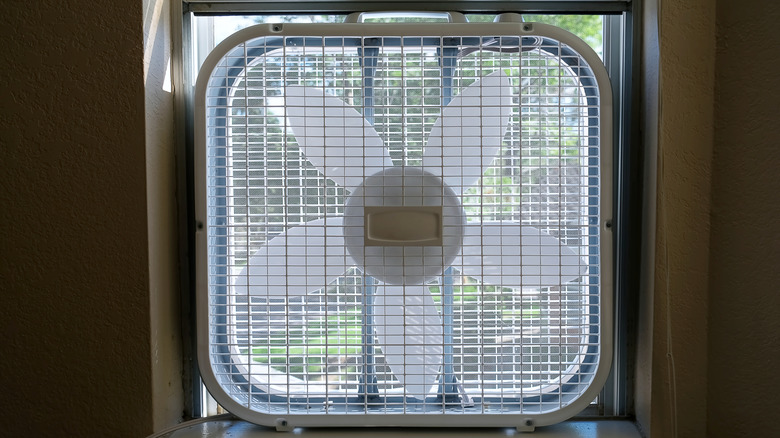
Improving ventilation is one of many ways to naturally dehumidify your home to reduce the risk of mold. Introducing fresh air into your space through proper ventilation helps dry the air. It also keeps mold spores moving, making it more difficult for them to settle on moist surfaces where they can grow. Exhaust fans support ventilation, but your home may need a little extra help to keep the air moving. Windows and fans can help with that.
Opening a window in humid areas, like kitchens and bathrooms, allows fresher, drier air to enter your home. This is a workaround if these spaces don't have exhaust fans installed. Running a ceiling or portable fan in moist areas also increases airflow and helps with moisture issues. You can even combine these strategies by putting a fan in or near an open window to facilitate dryness. It's also helpful to open doors, internal ones included, to let in fresh air, allowing it to flow freely throughout the house.
Hang clothes and towels to dry
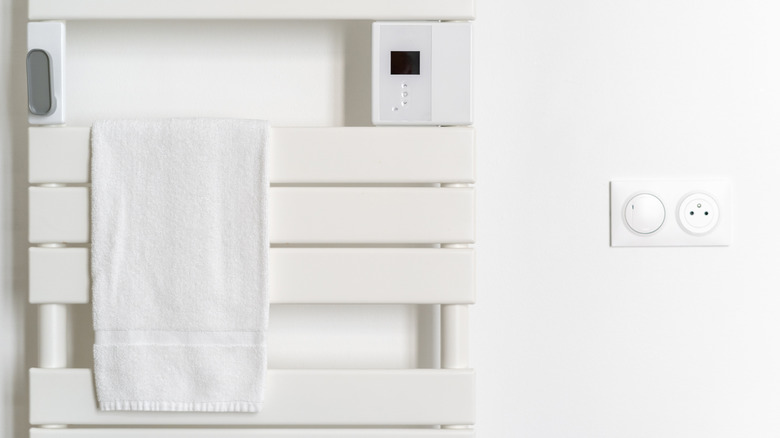
Tossing all of your dirty clothes and towels in the hamper until you can get to them makes sense. After all, isn't that what it's there for? But the potential for mold and mildew growth is one of many reasons why throwing wet clothes in your laundry hamper is a bad idea. The fabric doesn't have to be soaking wet for it to be an ideal spot for mold growth. Dampness from sweat-soaked gym clothes, pool clothes, or towels you use for showers is enough to cause problems. Tossing those clothes or towels on the floor could cause mold to grow on the flooring or nearby walls.
Instead, hang the clothes on a portable drying rack or outdoor clothesline to let them dry before putting them in the hamper. When it comes to towels, opt for a towel bar instead of hooks to store the drying material between showers. Putting a towel on a hook bunches it, but its fibers dry quickly when you spread the item out across a bar.
Wipe moisture quickly
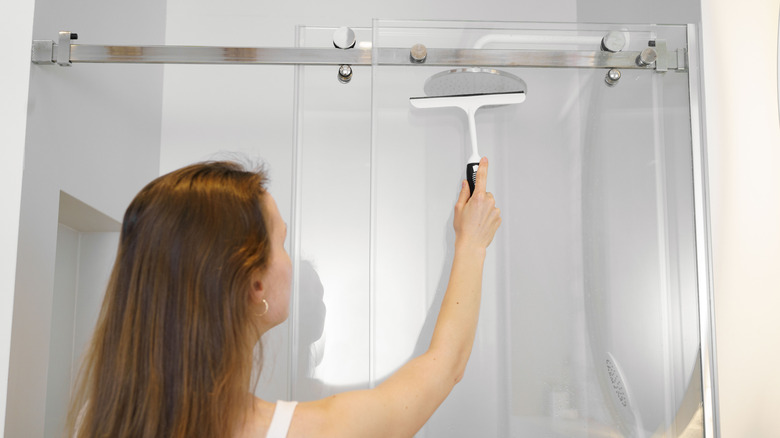
From small to massive spills, water builds up on a variety of surfaces. It's possible to get water on the floor while doing dishes or cause a puddle when you get out of the bathtub. Even if the floor is dry, the shower walls remain wet for a while after a shower. That moisture eventually evaporates into the air, where it can increase the relative humidity inside your home. In fact, in homes with low humidity, leaving bowls of water around can help increase the levels.
But that's not what you want in a humid home where mold is a concern. In those cases, you want to eliminate as much moisture from surfaces as possible. Using a squeegee or cloth to dry the walls is the easiest way to prevent shower mold and grime. Mop puddles or spills right away with towels that you allow to dry thoroughly before tossing them in the hamper. Wiping spills also prevents mold from growing in and under porous flooring materials like wood, plank flooring, and tile grout.
Choose a moderate temperature for your rental

While moisture is a major factor in mold growth, temperature is also important. Every type of mold is different, but the ideal temperature for mold growth is between 60 and 80 degrees Fahrenheit. Temperature can also be a problem in areas where warm air meets colder surfaces, as this situation causes condensation to form. When you think about it, many climates are humid during the hotter summer months — warmer air can hold more moisture than colder air. Another issue with warmer temperatures is that they cause faster mold growth.
It's not practical to lower your apartment's temperature below 60 degrees Fahrenheit — you'd be freezing all the time, and your summer utility bills would be outrageous. But keeping your thermostat around 68 to 70 degrees Fahrenheit could at least lower the possibility of mold growth, especially in the summer when humidity is usually higher. If you go too low with your thermostat, you could deal with condensation. In the winter, bumping it up to 72 degrees Fahrenheit still helps minimize the risk of mold growth while keeping you comfortably warm.
Report leaks to your landlord immediately

Your landlord is responsible for completing repairs so your unit remains inhabitable — that includes leaks that could lead to mold. But they can't fix leaks that they don't know about, which is why it's your responsibility as the tenant to notify your landlord as soon as you notice problems that could contribute to mold. Getting leaks and other water-related issues repaired as quickly as possible reduces the risk of having a major mold problem. It's not always easy to tell you have a leak, though, especially in pipes behind walls. Notify your landlord if you notice any signs, including lower water pressure, higher water bills, increased moisture, peeling paint, or bad smells. Ignoring those early signs could allow mold to grow.
Find out the preferred method of reporting a repair need to your landlord. Putting it in writing, even if it's a text or email, is ideal as it creates a record of the repair request. It's also helpful to take pictures of the issue and document any communication you have about the repairs with the landlord or property management company. Most landlords want to get leaks taken care of quickly because they understand how much damage water can cause, including major mold growth.
Clean bathrooms and kitchen regularly
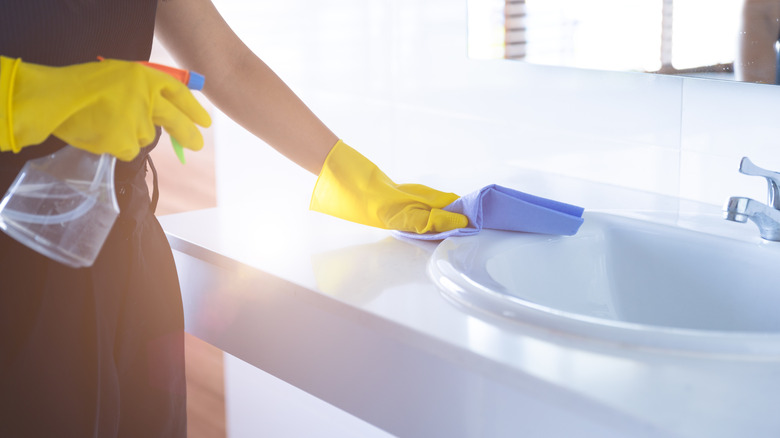
Kitchens and bathrooms are common areas for mold growth, primarily because of their higher moisture levels. We've already talked about lowering moisture levels in those areas, but it can also help to keep them clean. Mold spores feed on organic matter, which you can often find in showers and sinks. Soap scum and skin cells are examples. In the kitchen, meal scraps become food or mold spores. Sponges, dishcloths, cardboard boxes, and other fibers can also feed mold. Removing these sources of food by cleaning regularly could reduce the risk of mold invasion.
Wipe your kitchen surfaces each time you cook to get rid of food remnants. Changing your sponge or dishcloth regularly also helps. Avoid letting dirty dishes sit around for days on end, and dry them before putting them away. In the bathroom, having lots of items on your shower shelves or around the tub can trap water, which could promote mold growth. Putting them in a caddy or limiting what you keep in the shower can help. Clean all surfaces in the bathroom regularly, and disinfect weekly.
Dry and clean the seals on in-unit washers
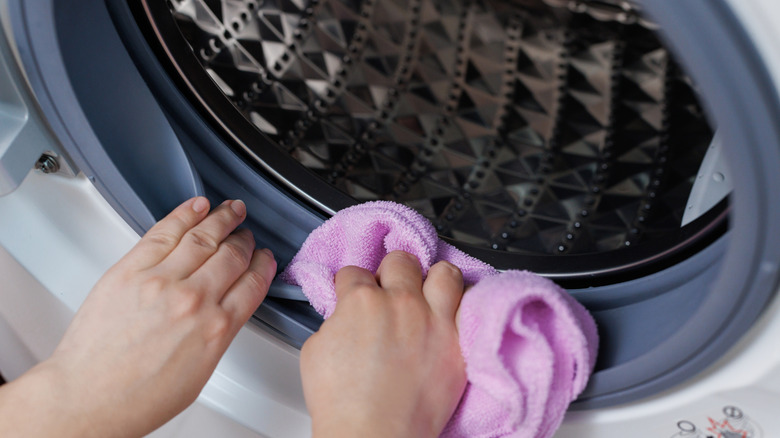
An in-unit washer and dryer is a huge selling point for rentals. If you're lucky enough to have your own washer and dryer, then you understand how nice it is to skip trips to the laundromat. But you'll also need to maintain the appliances to prevent mold. The gasket on a front-loading washing machine is particularly prone to growing mold, but you'll also want to check the detergent dispenser. Warm water during the wash cycle and the warmth in the laundry room from the dryer create ideal mold-growing conditions. Detergent can feed mold, too. The dryer can also cause issues; a full lint trap makes it difficult for moisture to be vented properly.
Wiping and drying the seal regularly is one of the best ways to prevent mold and mildew from building up on your washer. It also helps to leave the door open after you're done washing clothes to let the interior dry well. Check the laundry detergent dispenser regularly for signs of mold, and deep-clean it monthly. Clean out the lint trap on the dryer regularly to not only let moisture escape but also to reduce the risk of fires.
Run your air conditioner regularly when it's hot
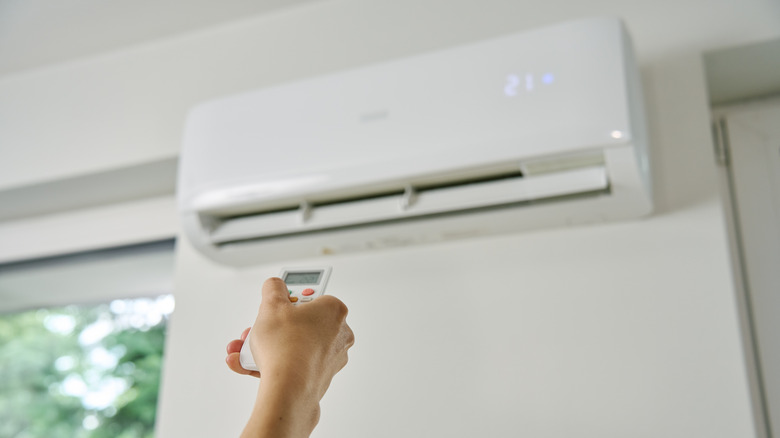
One of the fastest ways to dehumidify your home in the summer is by running the air conditioner. That's because the cooling appliance pulls moisture out of the air naturally as it cools. Without the AC running during hot, humid weather, the humidity level inside your home will increase. That humidity, combined with the hotter indoor temperature, creates prime conditions for mold growth. The airflow from your home's cooling system also improves ventilation, so running your AC doubles up on preventing mold during the summer.
It might seem worth it to hold off on the AC so you save money on utility bills, but you could be increasing your chances of mold. If the inside of your home gets warm and the humidity level increases, turn on the AC for the season. It's also a good idea to keep the AC going, even when you're not home — that means keeping it running while you're on vacation. Keep in mind that you may need to combine AC use with other dehumidifying methods, like using a dehumidifier, if you live in a very humid climate.
Wipe condensation off windows and other surfaces
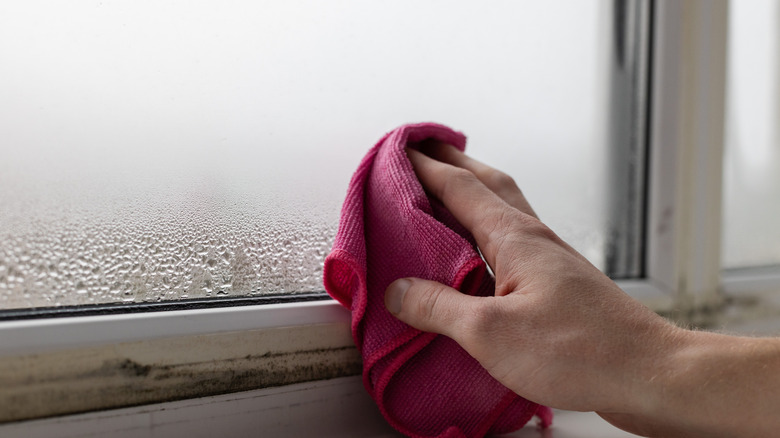
Condensation often forms on windows, particularly when cold glass meets warmer, humid air. It's normal for condensation to develop on the inside of windows, but water droplets between the glass panes could indicate that the seal has failed and needs to be repaired. Report that issue to your landlord. Activities like cooking, showering, and drying clothes can also create condensation on various surfaces inside your home.
Regardless of why it forms, condensation that remains on the windows can cause the wood frame to warp or rot, increasing the chances of mold growth. Preventing condensation is ideal, but your options are limited as a renter, unless your landlord is willing to upgrade the windows. Removing the moisture with a squeegee or microfiber cloth cuts down on these issues. You can also reduce condensation by using dehumidifying methods in your home. Asking your landlord to install storm windows could also help, since they act as a barrier between outdoor and indoor temperatures.
Use moisture-absorbing sachets and other products
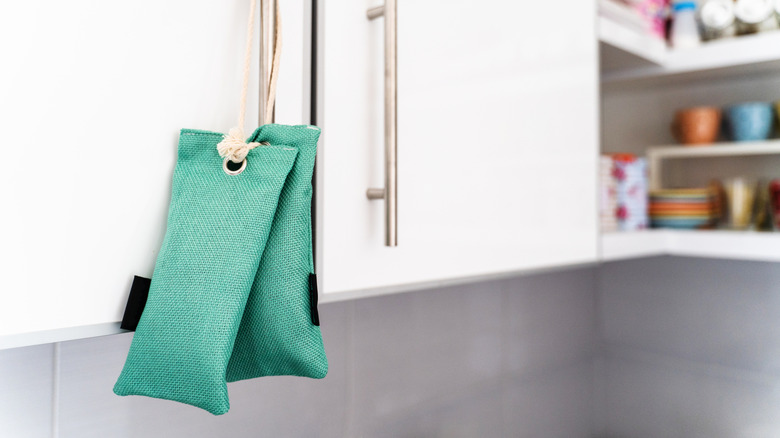
Sometimes, you might notice dampness in enclosed spaces, like cabinets or closets. The water issues could be caused by leaks, but, at times, these areas are just naturally more humid. Desiccants can help absorb moisture in the air. Keep in mind that they won't help with standing water, though. Common desiccants include activated charcoal, silica gel, and calcium chloride. These types of materials are highly absorbent, so they suck moisture out of the air to make your home drier.
Choose moisture-absorbing products for enclosed spaces that don't get as much ventilation as open rooms. There is a wide range of moisture-absorbing products, including Clevast Moisture Absorbers with hooks that easily hang in a closet. Another popular option is DampRid, which comes in different formats to fit your needs, including tubs that you can place anywhere. Larger versions are available to cover more square footage if you want to control moisture in a basement or laundry room.
Address mold quickly so it doesn't spread
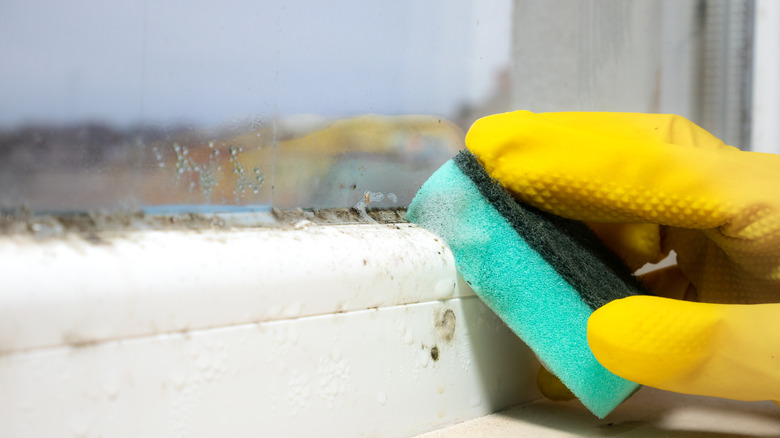
Even with all of these preventative steps, it's still possible for some mold to take root and grow in your rental. That's why it's important to know how to identify mold in your home and get rid of it for good quickly. The visible mold you spot is also releasing more mold spores, which allows the fungus to continue growing. And it's not just the immediate area where the mold will grow — it can spread through the air and HVAC system, which means you could start noticing mold throughout your unit. Cleaning up mold immediately can help minimize the infestation before it becomes so large that the only option is professional mold remediation.
Assess the extent of the mold before cleaning up. If your rental unit has more than 10 square feet of mold, it's often best to choose professional remediation. Detergent and water can help eliminate mold from hard surfaces, but porous materials often need to be removed and tossed. It's also important to fix the root causes of high humidity or moisture, such as plumbing leaks or a poorly insulated home, to keep the mold from coming back. That's why working with your landlord is crucial, since many of these repairs are their responsibility.