

Garden Shears Vs Pruners: What's The Difference And Which Is Right For Your Pruning Project
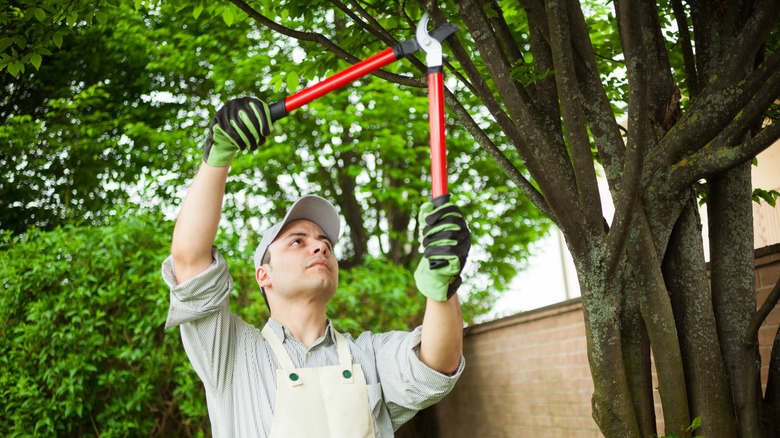
There are certain essential tools for most gardeners, including garden shears and pruners. While these tools do have certain attributes in common, each tool serves specific purposes in the garden. Whether you are pruning a large bush or tree, trimming a shrub, cutting herbs and fresh flowers, or shaping perennials, it's important to know which technique your shrubs need. Learning the difference between them will help you know which is right for your pruning project.
Pruners and garden shears have a lot in common. Both are designed to cut plants, although the size and thickness of the plants each can handle can vary. Garden shears and pruners have a similar construction with two blades that are designed to work with a scissor-type cutting action. Each tool is designed with durable materials, such as steel, to stand up to the demands of gardening tasks. You can find both garden shears and pruners in a variety of sizes and styles to serve virtually any need.
Design differences between garden shears and pruners
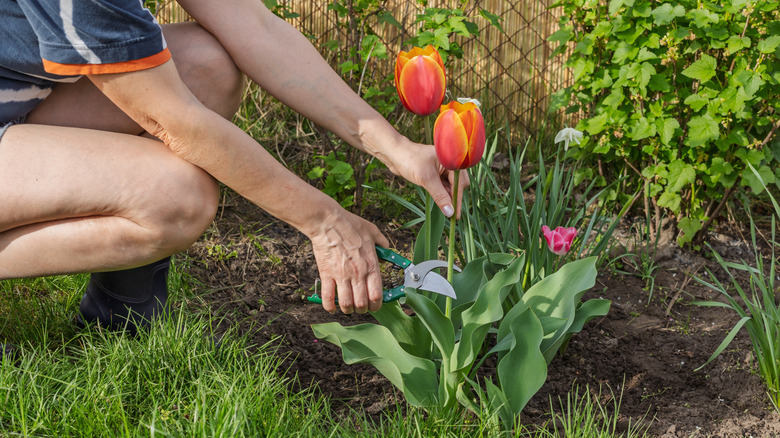
While garden shears and pruners share commonalities, they are different in design to meet specific needs. Garden shears, also called secateurs, are usually smaller than pruners with shorter handles. Most are spring-loaded so they open effortlessly after each cut. Getting into tighter spaces to trim plants and flowers is easier with the compact design. These shears usually have straight handles with a plastic or rubber coating to enhance comfort and ensure more precise control and a smoother, more secure grip.
Many gardeners feel that pruners offer a better, easier way to prune shrubs. Also known as loppers, pruners are longer handled to provide better reach for handling thicker branches. While they are larger than garden shears, pruners come in different sizes and with curved or straight handles. The blades are larger and longer than shears to have the strength and leverage needed to prune larger branches and cut dead limbs off trees and shrubs.
The handles of pruners are made to allow for a firm grip, so they're easier to hold onto when pruning thick branches. Some pruners have telescopic handles, which enable you to reach branches that are even higher in your trees and shrubs. For safety, some have a locking mechanism to keep them closed for storing between uses. Some are even available with a ratchet device to make heavy-duty trimming more effortless.
Choosing the right tool for the job
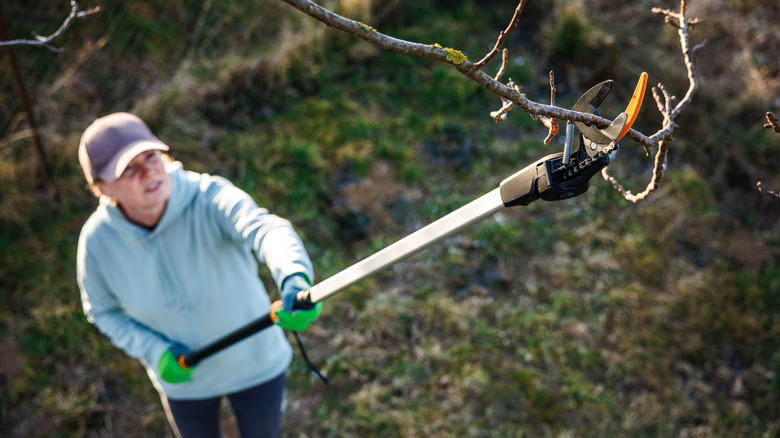
Using the wrong tool or dull tools is among the mistakes to avoid while pruning your plants. Pruners are built with thicker materials that are better for more heavy-duty gardening tasks. Their durable construction allows you to cut thicker branches, remove dead wood easily, and shape small trees and shrubs.
On the other hand, garden shears are smaller and meant for less demanding gardening tasks. Shears are used for delicate tasks and smaller, more precise pruning jobs, such as trimming small plants, snipping leaves and stems, deadheading flowers, harvesting vegetables and herbs, and cutting blooms for arrangements. Garden shears are also used for trimming plants in container gardens and shaping bonsai trees. They are not suitable for thick branches. You'll also find that they're used extensively by professionals and home gardeners alike for preparing cuttings for plant propagation. Both tools have their place in an avid gardener's shed to ensure that you have the right tools for any job, from cutting fresh flowers for a vase to cleaning up broken branches after a storm.