

How To Embrace A Rewilding Landscape In Your Own Yard
We may receive a commission on purchases made from links.
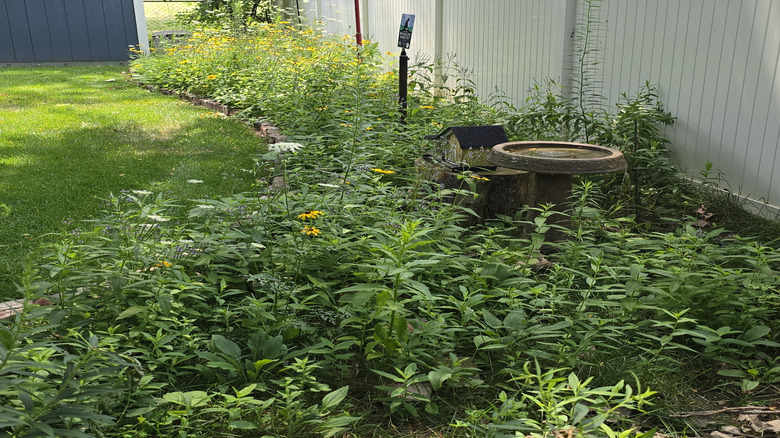
If you run in eco-friendly circles, talking to your friends about nature conservation won't seem unusual. But drop the term rewilding, and people's ears might perk up. This single-word solution is all about restoring and protecting ecosystems — for us humans and the animals, plants, and other living beings affected by habitat loss. There are all kinds of ways to start the rewilding process in your own backyard. Some may feel familiar, such as growing native trees, shrubs, and perennials to welcome beneficial insects and feed birds, and reducing light pollution. Other methods may be new, like creating brush piles or leaving snags (dead trees) in the garden instead of removing them, or implementing wild bridges.
Gardeners who have already embraced a rewilding perspective for their outdoor space are helping to protect biodiversity. They're also doing their part to address climate change in their backyards — mitigating, for example, the effects of drought and flooding. Among this strategy's many benefits, rewilding efforts can help sequester carbon, prevent erosion, and improve outdoor air quality. As you modify your landscape with nature in mind while keeping a mostly orderly yard, you might encourage others to do the same. Share your successes with your neighbors so they don't think your garden is neglected or full of weeds and pests.
Assess your yard for wildness
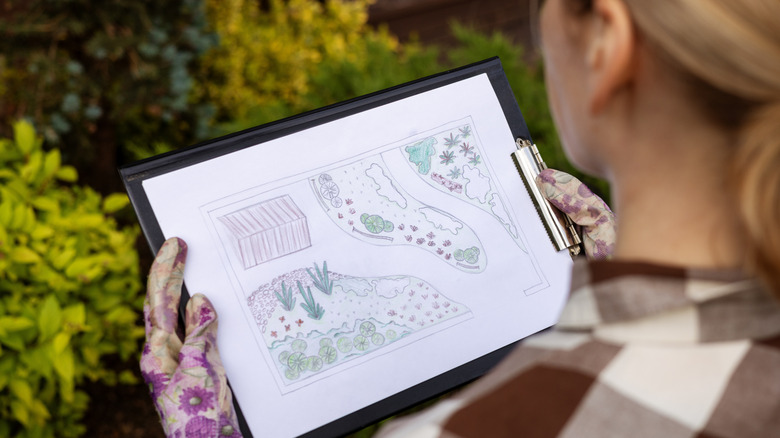
Inspect your yard's existing wildness and take notes. Sketch out a rough map of your property and mark areas you'd like to transform. Over a period of days or weeks, take an inventory of any wildlife and wild plants on your property. You could even go a step further and set up a trail camera in different spots to see what's going on at night or when you're not at home. Bonus: Noting the state of your yard before you begin the rewilding process will help you assess the success of your efforts later on.
Welcome wildlife into your garden
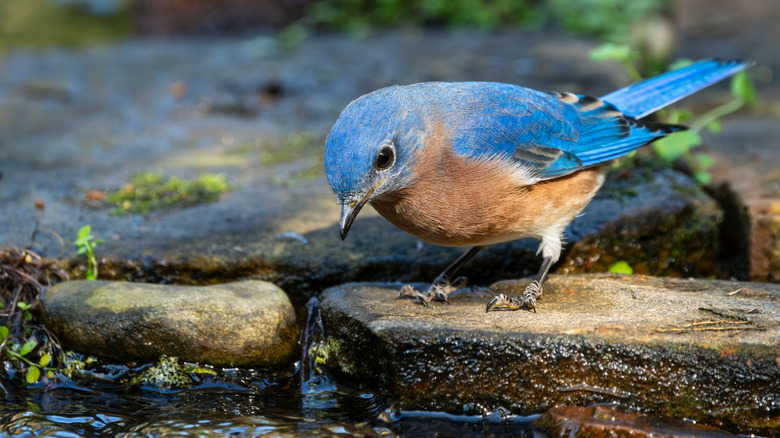
Many of the actions you'll undertake as part of the rewilding process necessitate welcoming wildlife — from insects to birds to deer — into your backyard. As time goes on and your garden grows wilder, more and more critters are likely to show up. Even those of us who are fearless in the face of big bugs need to stay adaptable. For example, if you attract more birds to your yard, you will need to restrict your cat's access to the outdoors or leash train them to keep your feathered guests safe.
Grow native plants
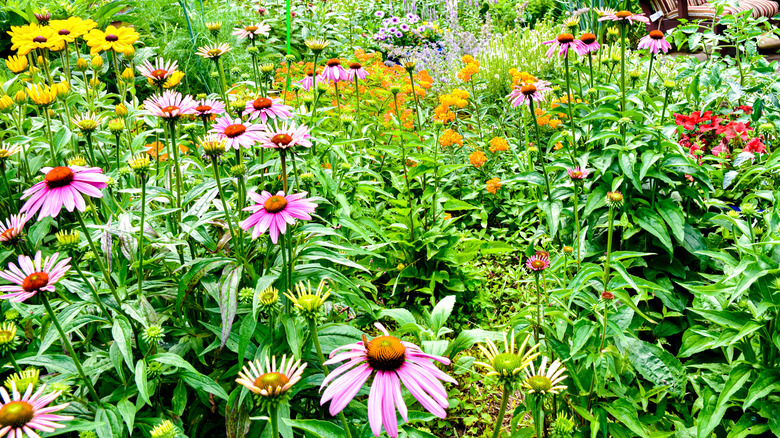
Adding native plants is an important part of growing a biodiverse garden full of insects and other wildlife. When choosing plants for rewilding, start with keystone species native to your area. Depending on where you live, this could mean sourcing plants like white yarrow (Achillea millefolium), spotted Jow-Pye weed (Euthrochium maculatum), or smooth aster (Symphyotrichum laeve). Get started with native gardening using resources from your local cooperative extension program or visit native plant nurseries — The Plant Native has a list of over 300 such U.S. growers.
Reduce backyard light pollution
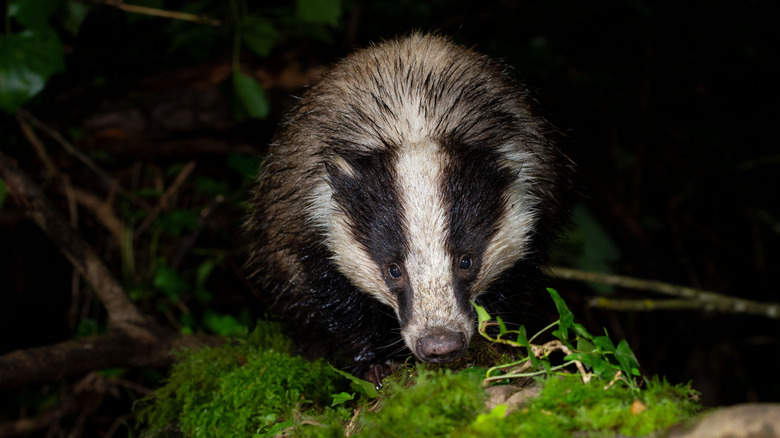
There are a few reasons why you may want to think twice before keeping your exterior lights on overnight — and aiding your rewilding efforts is one of them. When we leave security lights or other decorative yard lamps on all night, we create light pollution that directly or indirectly harms all kinds of critters. For example, migratory birds, moths, and nocturnal mammals such as badgers are active when it's dark. We can help them by keeping outdoor lights off when not in the area or using warm-hued bulbs in lamps that point downward.
Re-evaluate your fences
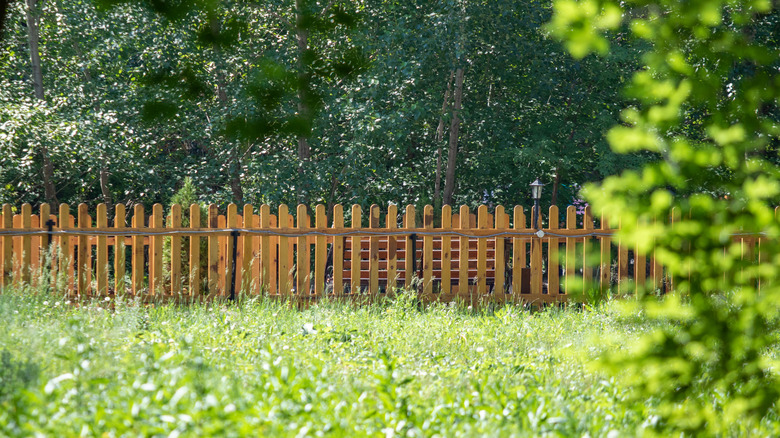
Fewer and safer fences help create better connections for wildlife, allowing animals to move freely between areas in search of food and shelter. For instance, when you create a garden fence that welcomes and protects wildlife with wide slats or lots of holes and a low height, you reduce the chance of wildlife injuries and fatalities. Or, even better, do away with your fence altogether. Removing or reworking these structures prevents wildlife from accidentally getting trapped in your yard. Barbed wire fences are the biggest problem, so remove or avoid installing them.
Ditch motorized lawn tools
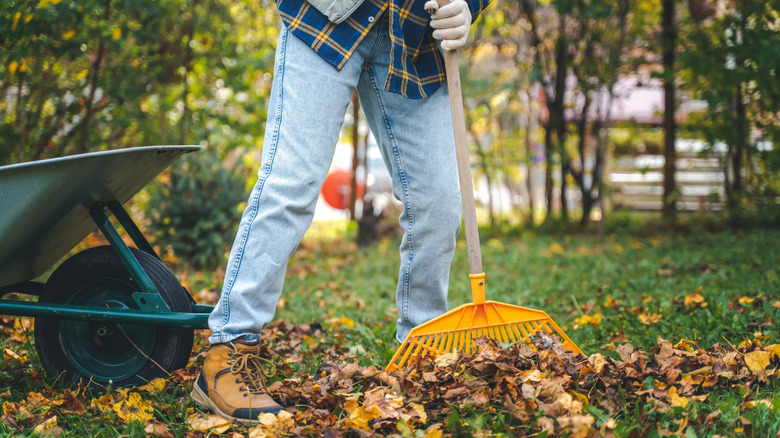
Hopefully, as part of your rewilding efforts, you're ditching your lawn altogether. If you're not quite there yet and still need to do some yard work, use manual instead of motorized tools. Replacing a gas-powered leaf blower with a rake, for example, reduces noise pollution and ensures cleaner air for resident wildlife, your neighbors, and your family. As mentioned, consider reducing the size of your lawn or planting low-maintenance, native turfgrass alternatives. Then you can gradually get rid of other lawn equipment, like your noisy, energy-hungry lawn mower.
Banish biocides from your backyard
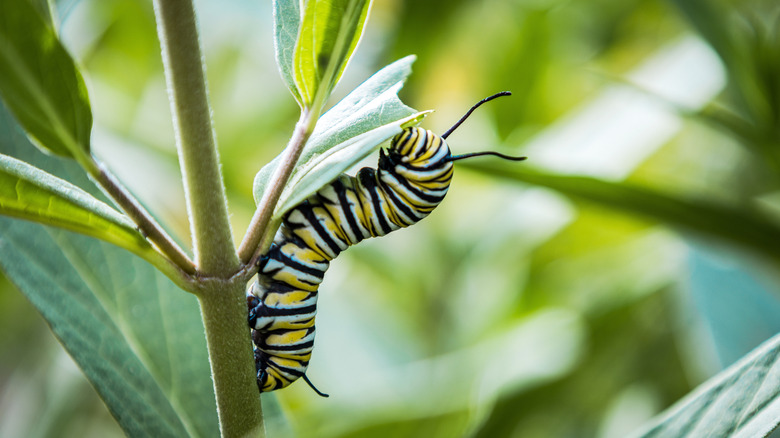
Rewilding embraces the presence of beneficial insects in a backyard. Bugs won't stick around if you use chemicals on your plants that kill them and damage healthy soils. Insects are an important part of natural ecosystems; using pesticides is counterproductive to your restoration goals. Even biocides such as herbicides, also known as weedkillers, are detrimental to insect populations. If, for example, you're removing a weed-filled lawn to create a wildflower meadow, ditch the herbicides in favor of eco-friendly alternatives, like smothering.
Buffer backyard streams, creeks, and rivers with vegetation
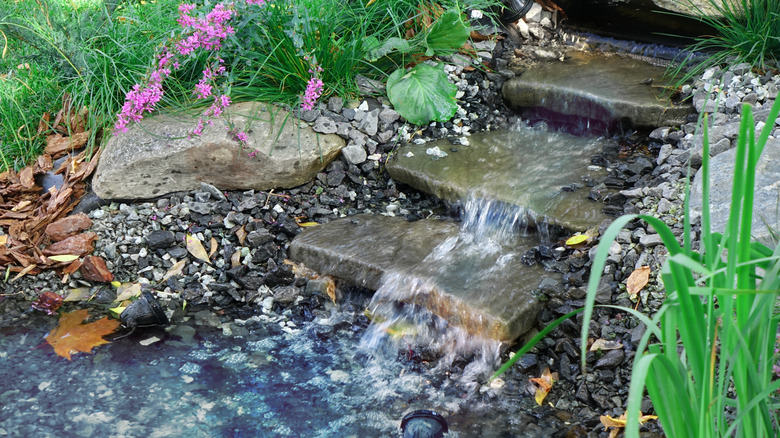
Are you lucky enough to have a body of water running through your property, like a river, stream, or creek? Or perhaps you have a pond or border a lake. Don't neglect this often-overlooked opportunity to be a true steward of the land. Waterways provide vital water, food, and habitat for all sorts of wildlife. Rewild the banks by planting them with native vegetation adapted to damp conditions — it's called a buffer garden. This will also protect the banks from erosion, filter pollution, and add value for wildlife.
Build a brush pile or a dead hedge
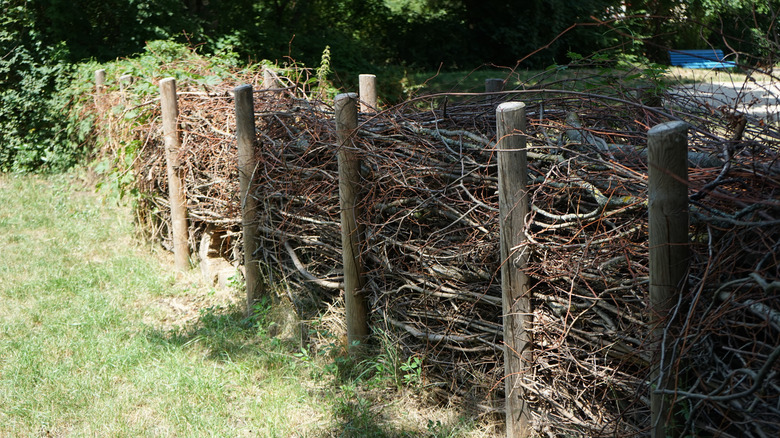
If you're looking for a winter gardening task that'll prep your yard for spring birds (or work at any time of year, really), add a brush pile. It's essentially just a stack of fallen or pruned stems and branches at least 3 feet tall and 6 feet wide. Brush piles are a refuge for all kinds of wildlife in addition to birds. If you want something a little tidier, build a dead hedge instead by weaving the stems and branches together. Dead hedges shelter birds, small mammals, amphibians, reptiles, and insects.
Rethink pruning
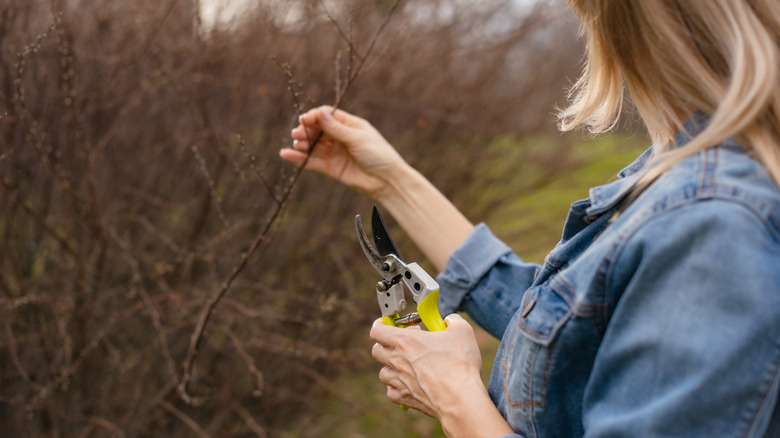
Pruning is a way to control the shape and health of plants in our backyards. It's not inherently wrong, but if you're embracing rewilding, you might want to rethink your approach to this gardening task. For trees and shrubs, pruning may not be necessary if you grow species best suited to your microclimate and space. As for perennials, chop back dead plants in spring instead of fall — or don't do it at all. Leaving stems standing gives birds and small mammals seeds to eat over winter and mason bees somewhere to build their nests.
Leave deadwood in your yard
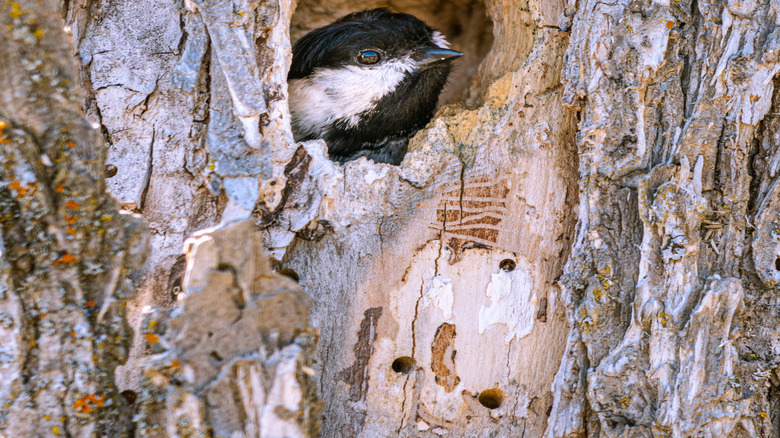
A dead tree — also known as a snag — is considered a problem by most homeowners. To wildlife, it's a source of food or a home, even if just temporarily. If you have a dead tree that's a safety risk, by all means chop it down. Then leave the logs on the ground where they can contribute to your rewilding efforts by providing shelter to wildlife. Even making stepping stones from log slices can help small critters. Pursuing National Wildlife Federation wildlife habitat certification? Leaving deadwood in place on your property will help you get there.
Connect rewilded spaces together
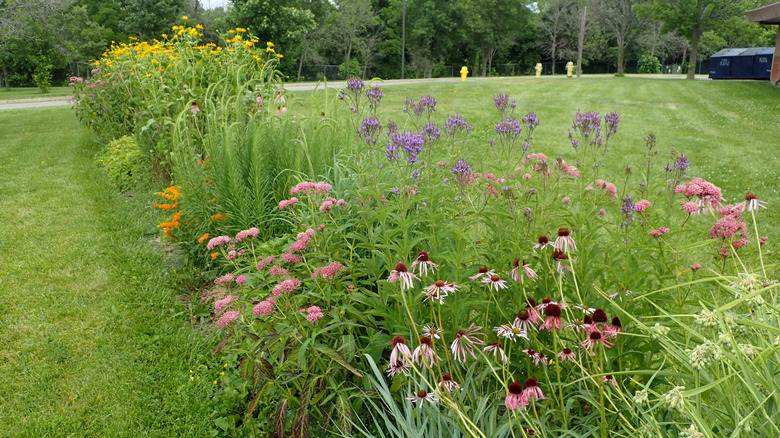
Cultivating more wilderness is one thing, but connecting them together is quite another. You may have heard of large-scale wildlife corridors that allow species like coyotes, bobcats, and deer and other large mammals to travel safely through areas of human habitation. These passageways are important in our far smaller home landscapes, too. Let's say you've created a rain garden in your front yard and a native plant oasis in your backyard. You can add even more value by connecting them together with a strip of dense vegetation, allowing wildlife to move from place to place under cover.
Advertise your rewilding efforts to encourage other gardeners
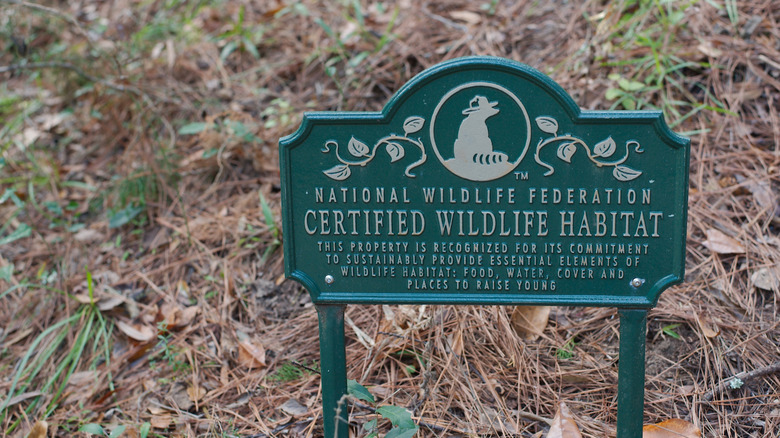
In less time than you think, your efforts to turn your yard into a certified wildlife habitat — or an uncertified habitat, if you don't care about having that piece of paper — will transform your backyard. That once-grassy front lawn will likely be unrecognizable. Why not celebrate your success and raise awareness for the cause by putting up some rewilding-related signage. You can buy ready-made signs — this Bidesign Backyard Wildlife Sanctuary Metal Sign with Stake costs less than $20 — or make your own with heavy cardstock or wood, some garden stakes, and paint.