

Debunking The Solar Myth That Makes Its Rounds Every Winter Once And For All
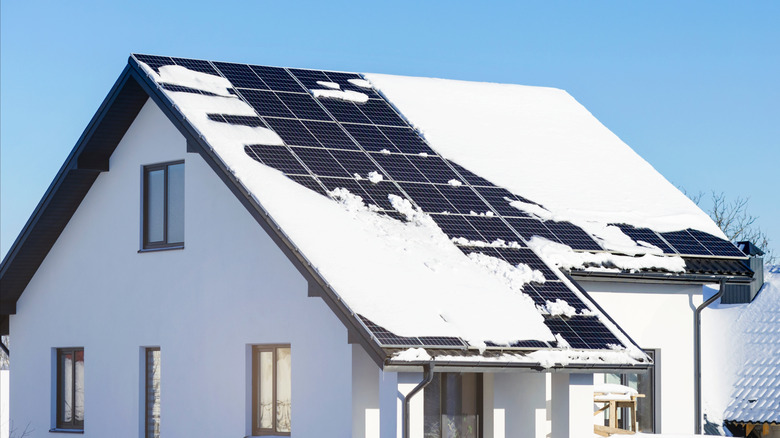
Every winter, a myth circulates claiming that people who installed solar power wasted their money because gloomy days don't generate enough energy. There are two issues with this myth. First, solar systems can and do generate plenty of power throughout the winter, but it works a bit differently than in the summer. Second, even if the solar panels don't generate as much power in the winter, the systems still add value to homes and work to reduce electric bill costs throughout the year.
Solar power has become increasingly popular since the early 2000s, and many misconceptions exist even as solar panel experts tell homeowners how to prep their homes for solar. Oftentimes, trees and other obstructions prevent homeowners from installing these panels, which creates a misconception that you can only store solar power if you have full-sun conditions. In the winter, more days of overcast and fewer hours of sunlight leave people assuming solar panels produce less energy. However, solar panels actually increase efficiency in the winter. Plus, most states have energy sharing programs that take excess energy production from the summer into account.
The truth about how solar power works in the winter
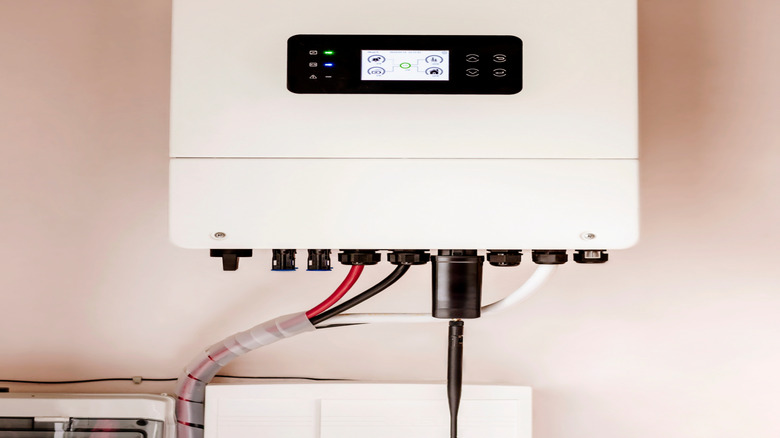
While it's true that properties heavily shaded by trees won't be suitable for solar panels, winter still has enough usable hours of sunlight to make an impact. Hours of daily sunlight is only one piece of the puzzle. The other is temperature. In the summer, high temps and direct sunlight can actually impede solar panels. Cooler temps in the winter make the energy collection more efficient. So even though there is less sun, the panels produce more output per hour of sun in the winter than in the summer. Ultimately, you will probably not generate quite as much power in the winter as you do in the summer, but the difference isn't noticeable in most cases.
According to the United States Department of Energy, snow is actually the bigger issue to be worried about when it comes to obstructing solar power production. Light snow isn't usually a problem, but heavy snow can damage panels with added weight and block sunlight. That said, simply brushing the snow off will allow panels to continue working. In the meantime, melting snow on your panels works to rinse away dirt and grime that has accumulated, increasing panel efficiency with a free cleaning.
How net metering makes up the difference
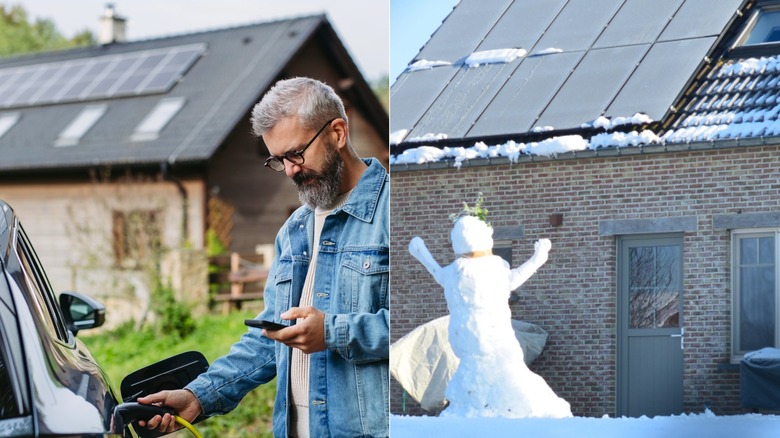
Many homeowners wonder if investing in solar panels is worth it based on how long they last or how they perform in different seasons. When it comes to overall investment, installing solar can add value to your home, and you can usually get a tax credit, offsetting upfront costs. In addition, owning solar means you own your power, which means that the electric company doesn't charge you to access it. In fact, many states have programs called net metering, which allows homeowners to sell excess power back to the electric company. In the summer, you can sell excess power back to the grid for an energy "credit." The credit can be redeemed if your panels don't produce enough power to cover your winter usage.
The impacts of net metering are clear. Looking at two years of energy production for a single home shows major differences between months with the highest amount of energy production vs. the lowest amounts. But by the end of the year, a customer will likely only face a nominal charge for power not produced by their home's panels or covered through energy credits.