

Can You Effectively Heat Your Whole Home With Only Radiant Heated Floors?
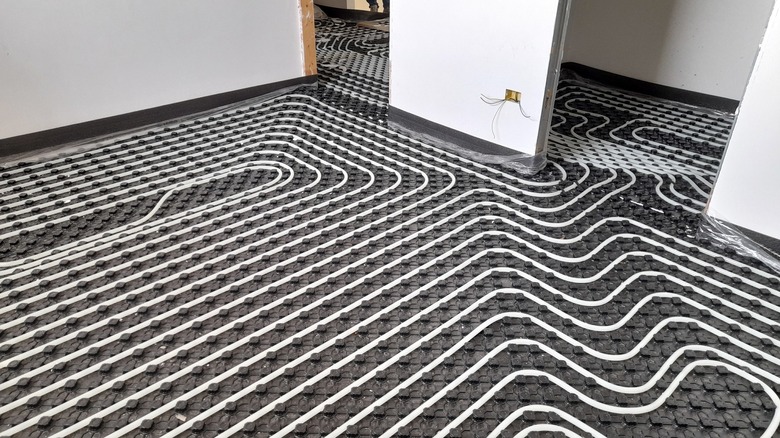
Cold floors have a tendency to ruin a perfectly cozy morning. Step from a warm bed onto a tile floor or walk across an unheated slab above a crawl space, both of which are common places in your home that may be letting the cold air in, and suddenly, your home doesn't feel as welcoming as it should. Traditional forced-air systems often make this worse, heating in bursts, pushing warm air upward, and leaving cold pockets behind. Radiant in-floor heating, however, works differently, and yes, in many homes, it can heat the entire space effectively.
Instead of blasting air, it delivers a slow, even warmth that settles in like it belongs there. As a result, your rooms stay consistently comfortable without that "cold corner over there" or the dreaded temperature battles between floors. But homes in very cold climates or that experience significant heat loss may need support from an additional heating system to keep up.
How radiant heat flooring works

Radiant floors heat a room without the usual drama. No blasting vents, no hot-then-cold cycles, and no energy slipping away through leaky ductwork. Compared to many traditional options for heating your home, radiant heating floors warm the things you actually touch, like your floors and furniture. As the floor warms the air around it, the heat slowly rises and cooler air sinks, creating a gentle, natural circulation that spreads warmth evenly across the room. And there are two ways to do that: You can go electric, which heats quickly, works room by room, and is great when you're fixing up a single space. Or you can go hydronic, which moves warm water through tubes under the floor, taking a little longer to get cozy, but still spreading heat steadily throughout the house.
One is quick and flexible, the other is slow and steady, but both make stepping out of bed in the morning something to look forward to. They are also efficient. Many homeowners see a 20 to 25% improvement in overall efficiency, which is a pretty convincing argument on its own. The increase in efficiency is due to the technology's ability to evenly heat homes rather than sending an excess amount of heat out into one area in the hopes that it'll eventually move toward a colder space.
How to get the most out of your radiant heat flooring
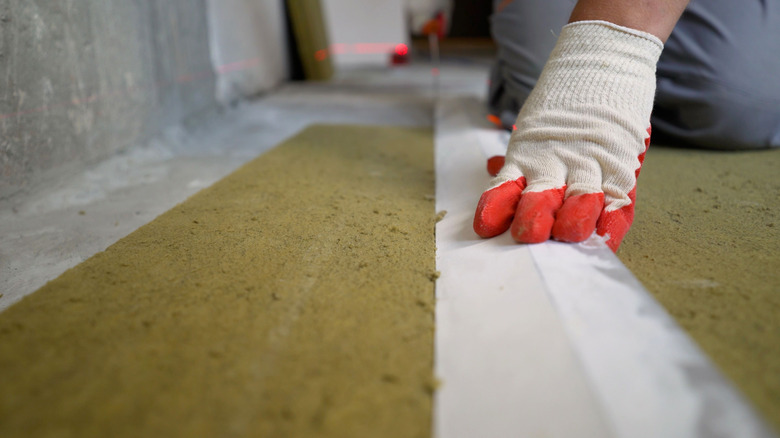
For radiant floors to really shine, insulation is important. Without it, all that heat can sneak downward, leaving your feet cold and your energy wasted. A good layer of insulation beneath the heating system pushes the warmth upward, right where you want it, so every step feels cozy. Now, if you're mixing radiant floors with other heating systems in different parts of the house, a little planning goes a long way. Smart zoning and controls make sure everything works together smoothly. You won't get awkward temperature swings or rooms that are too hot while others stay chilly.
Coordinating the systems this way keeps your home evenly warm and can even save on energy. Even with insulation and smart planning, though, there's a limit to how warm the floor itself will feel. Heat moves from a concrete slab to the room at a fairly modest pace. In a well-insulated home, the slab usually ends up just a few degrees warmer than the rest of the room. To feel pleasantly warm underfoot, a concrete floor needs to hit around 80 degrees Fahrenheit. This means that during most of the heating season, the floor is comfortable but not scorching.