

Keep Your Fiddle Leaf Fig Happy & Healthy All Winter With These Smart Tips
We may receive a commission on purchases made from links.
Fiddle leaf figs (Ficus lyrata) have a reputation for being a little dramatic and can be a challenge for beginner gardeners. Not only are they finicky about their environment, but they can be sensitive to fluctuations in their care routines, so you want to avoid common mistakes when growing a fiddle leaf fig. Native to western Africa, these plants can thrive in USDA Zones 10 to 12 outdoors but are loved as impressive houseplants everywhere else. This winter, keep your fiddle leaf fig happy and healthy by following several smart tips, including giving it the proper light, rotating it routinely for balanced light, allowing the soil to dry between waterings, providing the right humidity and temperature levels, and a few other tips that will help your fiddle leaf fig flourish.
During the winter, if your fiddle leaf fig doesn't have the environmental conditions it needs, it can go dormant and growth will slow way down. Knowing how to properly take care of a fiddle leaf fig plant can prevent your plant from going dormant and keep it growing new leaves all year long. The key to successful fiddle leaf fig growing is understanding how winter shifts the light, temperature, and humidity inside your home and how those changes impact your plant's growth habits. Create a winter care routine that keeps your plant truly thriving rather than just getting by until spring.
Maintain proper sunlight, soil, and temperature
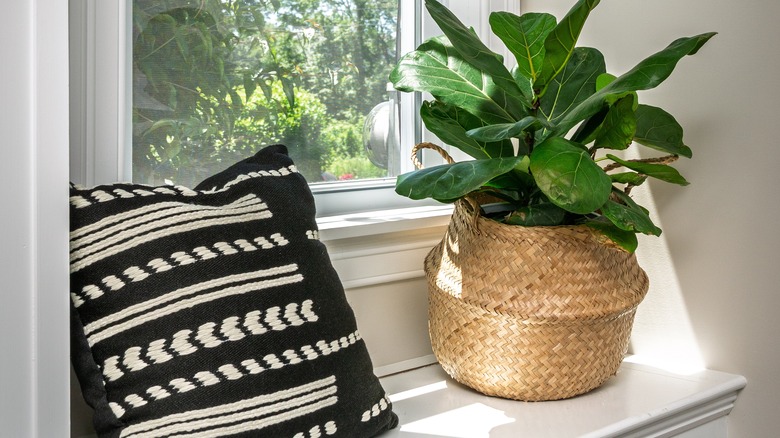
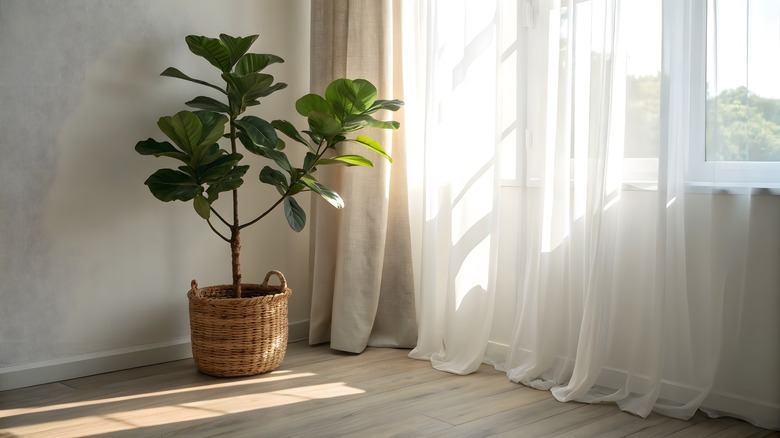
Fiddle leaf fig plants grow their best when they receive plenty of bright, indirect light for the majority of the day. Placing your plant in a spot near a large window, especially one with a clear view of the sky, gives it the steady sunlight it needs to maintain strong stems and full, healthy foliage. Adding sheer curtains will filter the sunlight coming in and keep it from being too intense. While fiddle leaf plants can tolerate a small amount of gentle morning sun, harsher rays throughout the day may cause leaf scorching, so this filtered or indirect light is ideal. If your home is naturally darker or winter days are especially short, adding a grow light can fill in the gaps and keep your plant from becoming thin or leggy. Don't forget to turn your plant on a regular basis to allow all sides to get the needed sunlight.
Healthy growth also depends on the right soil. A well-draining potting mix with organic matter mixed in works best, as it allows water to move through the soil easily while still retaining enough moisture to support the plant between waterings. Many gardeners prefer a potting blend with added perlite or bark to keep the soil airy and prevent the sogginess that often leads to root issues.
Temperature plays a key role in the happiness and health of your fiddle leaf as well. Fiddle leaf figs thrive in a consistent environment with a temperature between 60 and 75 degrees Fahrenheit. Protect your plant from cold drafts, heating vents, and sudden temperature changes that can occur if the plant is near drafty windows or doors.
Optimize watering, humidity, and feeding your fiddle leaf fig
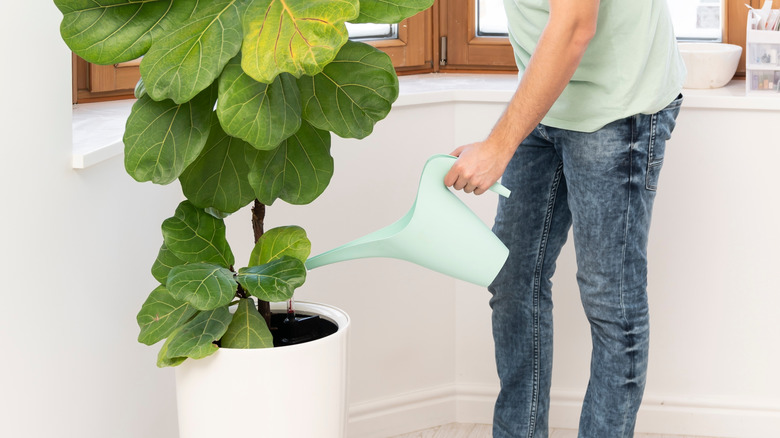
How often should you water an indoor fiddle leaf fig to keep it thriving? Provide enough water to keep it healthy and growing, but not so much that the roots are sitting in soggy soil. Fiddle leaf fig plants are vulnerable to overwatering, which is one of the most common causes of leaf drop and root issues, especially in winter when the plant is using less water. It's much better for your plant's health to let the soil dry out slightly between waterings, which means only watering when the top inch or two feels dry to the touch. Make sure the plant's container has proper drainage, and always empty excess water from saucers under your plant after you're done watering.
Humidity also plays a role in keeping your fiddle leaf fig healthy throughout the year. These plants appreciate moderate to high humidity, similar to their tropical origins, and thrive when indoor humidity levels stay around 50% to 60%. If your home becomes dry during the winter, use a combination of adding a humidifier, grouping plants together, misting, and using pebble trays to keep humidity levels where your plant needs them to be.
Finally, fertilizing your fiddle leaf figs is simple and straightforward. During the active growing season, typically spring through early fall, you should use a balanced fertilizer, like this Fiddle Leaf Fig Fertilizer. However, during winter, fiddle leaf figs slow their growth and don't require fertilizing, though a light feeding once in the winter season can support overall health if the plant is actively producing new leaves.