

19 Hardy Houseplants That Don't Mind A Cold Winter Draft
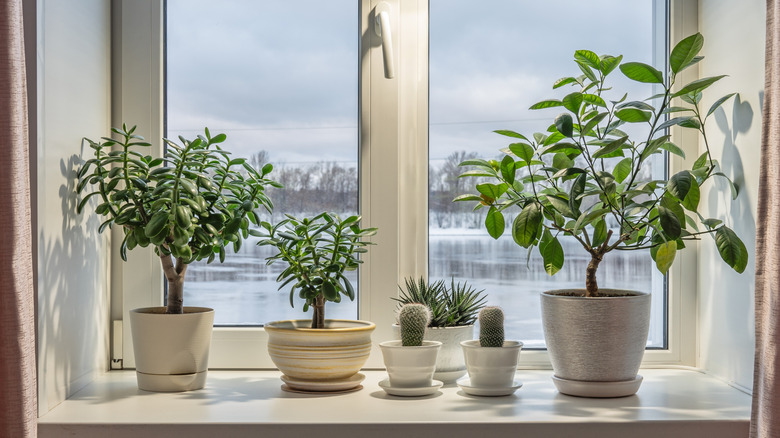
Houseplants can be a source of joy in the cold stretches of winter, when we often spend more time huddled up indoors. As we tweak the care routines to keep them comfortable during winter, cold drafts are often a concern. Many houseplants need to be moved away from drafty windows so they can be spared from stressful swings in temperature and stay in their comfort zone. But not all plants are averse to the occasional chill wind. From various types of cacti to ZZ plants, flowering cyclamen, and even fruit trees, many can tolerate occasional cold temperatures indoors.
While these plants are more cold-tolerant than others, they still shouldn't be in spaces where the temperature dips below 55 degrees Fahrenheit. The safest approach is to keep a thermometer near plants that sit in drafty areas to make sure they're not at risk. Even if you bring home a cold-tolerant plant in the winter, you'll still need to pay attention to other aspects of its care more closely. Depending on each plant's needs, you may need to add humidity with a humidifier or pebble tray. It will be more important to ensure it's getting enough light and not too much water. Still, having a hardy plant that can stand up to drafts will give you one less thing to worry about as you shepherd your green friends through the colder months.
Cast iron plant
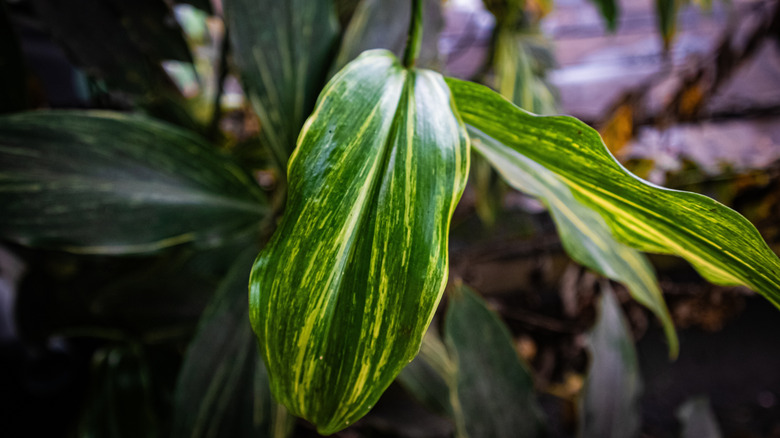
The cast iron plant (Aspidistra elatior) lives up to its common name by being tough enough to handle temperature changes, such as drafts in the wintertime, especially in USDA Hardiness Zones 7 through 11. These leafy evergreens also tend to be happy in low light and even low humidity, so they won't need too much fussing in the winter, when daylight hours wane, and indoor air can be dry. Make sure the sunlight they receive is indirect; too much exposure can scorch their dark green leaves and cause yellowing.
Florist's cyclamen
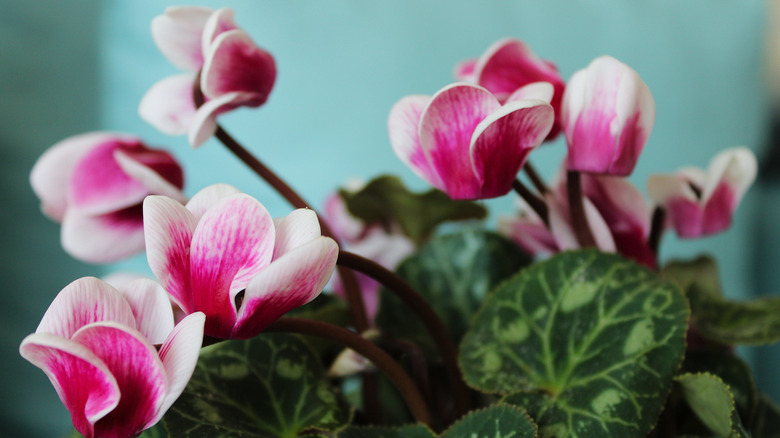
The bloom pattern of a florist's cyclamen (Cyclamen persicum) is the opposite of many other plants: it flowers in the winter and rests during the summer months. This perennial is often kept inside since it thrives in cool indoor temperatures, but not outdoor frosts outside of USDA Hardiness Zones 9 through 11. Because they come from a Mediterranean climate with cold winters, cyclamen can stand, and even prefer, temperatures hovering near 60 degrees Fahrenheit, so drafts shouldn't bother them. Their red, purple, or pink blooms and heart-shaped foliage add winter color and character to your home.
Bunny ears cactus
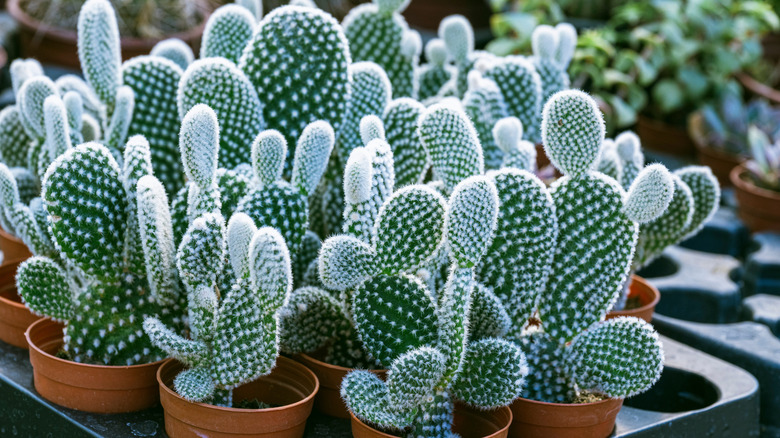
Some cold-hardy succulents can flourish indoors, and the bunny ears cactus (Opuntia microdasys) is one of them. This light green succulent has flat segments that tend to grow in pairs, making for a symmetrical desert look. Plant-loving people also appreciate its fuzzy, dotted appearance thanks to many white bristles. It's a cactus that does well in winter temperatures as low as 50 degrees Fahrenheit and is accustomed to the warm and cold swings of its native desert climate. An important care tip is to water it only sparingly over the winter months.
Jade plant
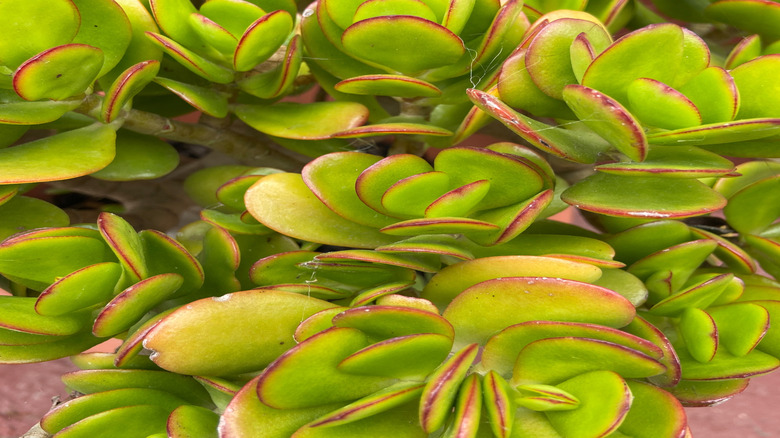
The jade plant (Crassula ovata) is an easy-care houseplant that can stand up to cold temperatures and prefers it when the mercury dips over drafty winter evenings. It can even grow in temperatures as low as 45 degrees Fahrenheit. If you keep its environment dark at night, this succulent with shiny leaves and a tree-like look may even flower indoors. Despite its tolerance of lowered temperatures, jade plants need enough light to produce the red rim around their leaves: four hours of direct or twelve hours of indirect sunlight should do the trick.
Snake plant
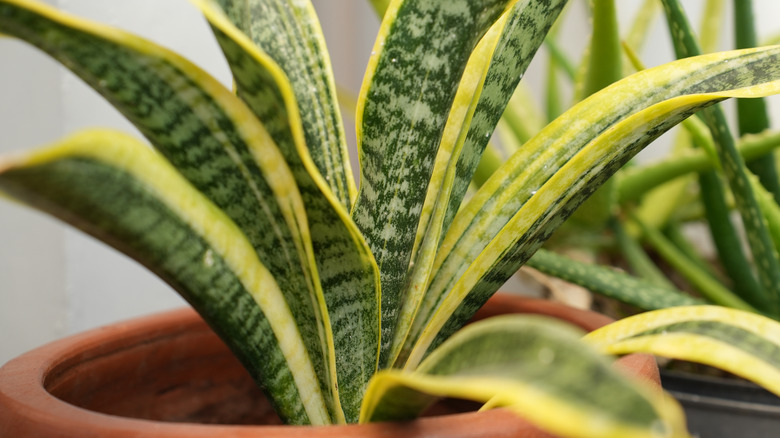
The well-known resilience of snake plants (Dracaena trifasciata) can help them survive a drafty winter, since they can tolerate short bursts of 50 degrees Fahrenheit conditions. This popular houseplant with pointed green or variegated leaves often lives a very long life indoors. Even though the leaves can flourish in a slight chill, they can experience leaf burn if placed in direct sunlight for too long. It's easy to keep snake plants healthy all winter long if you make sure to avoid overwatering and don't use too much fertilizer.
Corsage orchid
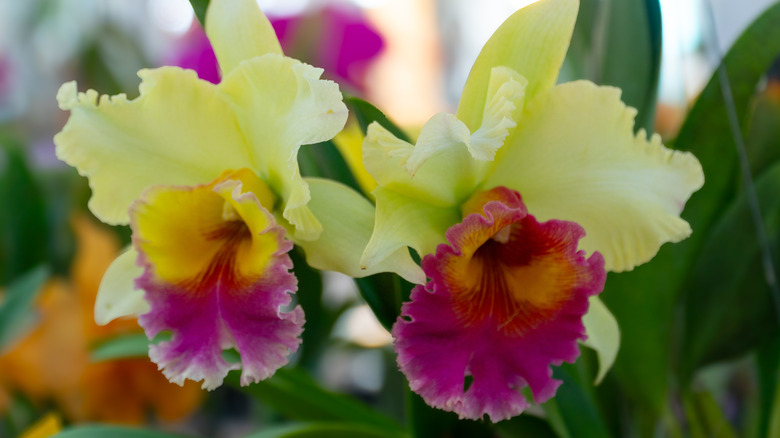
Orchids vary in their ability to withstand temperature dips, but the corsage orchid (Cattleya) can thrive amid evening drafts. These orchids prefer nighttime temperatures between 50 and 60 degrees Fahrenheit. As long as they're far away from any outdoor frost, they can weather a brief chill. You should still do your best to provide corsage orchids with warm temperatures during the day and increase humidity around them if you want to keep them at their best during the winter.
Spider plant
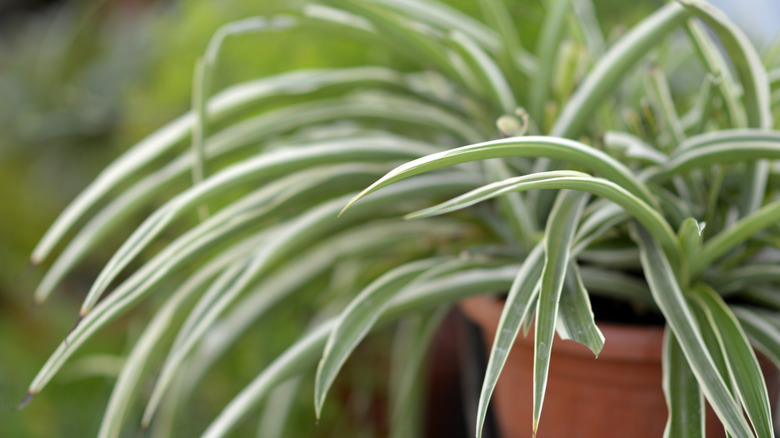
Any collection of hardy houseplants wouldn't be complete without a spider plant (Chlorophytum comosum), which is known to be resilient to a whole host of indoor conditions. Even though the ideal room temperature for these houseplants is between 55 and 70 degrees Fahrenheit, spider plants can forgive some fluctuation and should thrive as long as your home's temperature stays above 45 degrees. The green or white-striped leaves of this perennial are often seen spilling out from a hanging basket.
English ivy
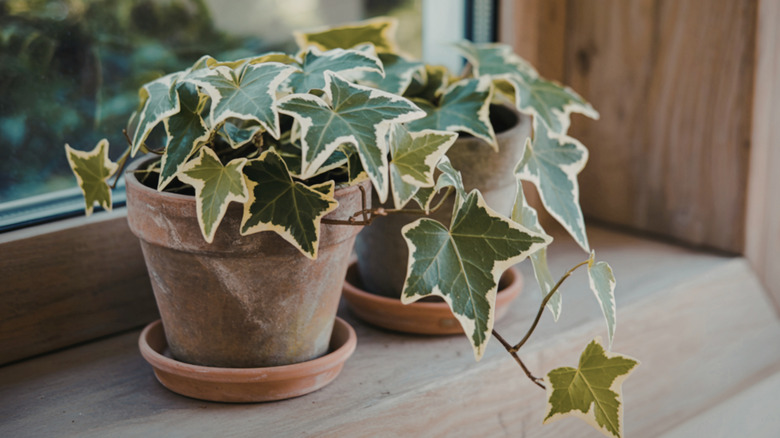
The wide range of temperatures English ivy (Hedera helix) tolerates makes it a good bet for growing indoors if your space can be a bit drafty. They come from cold-weather climates and grow in temperatures between 45 and 80 degrees Fahrenheit. Whatever you do, keep English ivy indoors because it's an invasive plant that harms trees if left to spread outside. In the winter, you'll want to make sure they have enough humidity and light. Placing them in a window that faces north, east, or west can get them the light levels they need.
Pincushion cactus
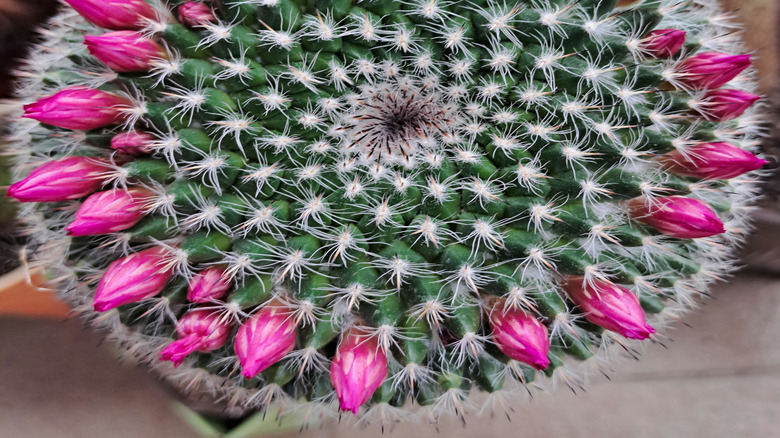
You may have admired a pincushion cactus (Mammillaria) in a plant nursery without realizing it can thrive indoors in the winter. These round, spiky little cacti sometimes wear a ring of bright flowers. Although they love a hot summer, in the winter they rest, and a drafty space where temperatures drop to 45 to 55 degrees Fahrenheit can suit them just fine and even set them up to flower in the spring. While other plants need more humidity in the winter, the pincushion cactus actually prefers dry air, which could make its winter care easier.
ZZ plant
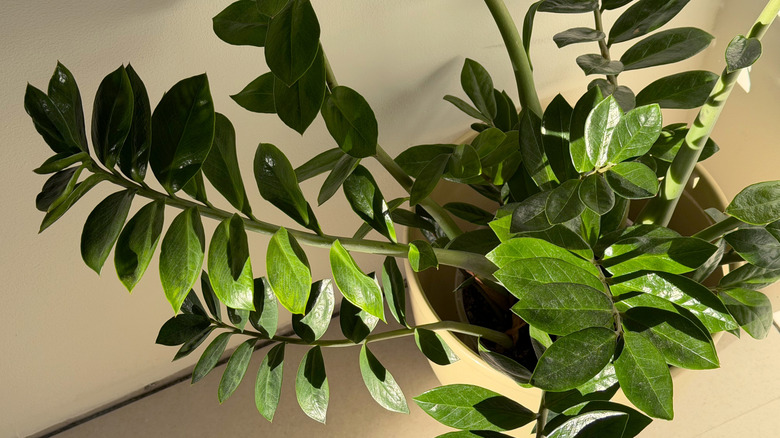
There are many reasons someone may suggest picking up a ZZ plant (Zamioculcas-zamiifolia) when looking for something easy to grow, and temperature resilience is just one of them. If drafts take your temperature down, they'll still thrive as long as it stays above 50 degrees Fahrenheit. The way their leaves store water can allow these plants to thrive on neglect, as they won't need to be watered frequently, especially in the winter. Even though it may grow slowly, a ZZ plant can eventually reach up to 4 feet.
Bush lily
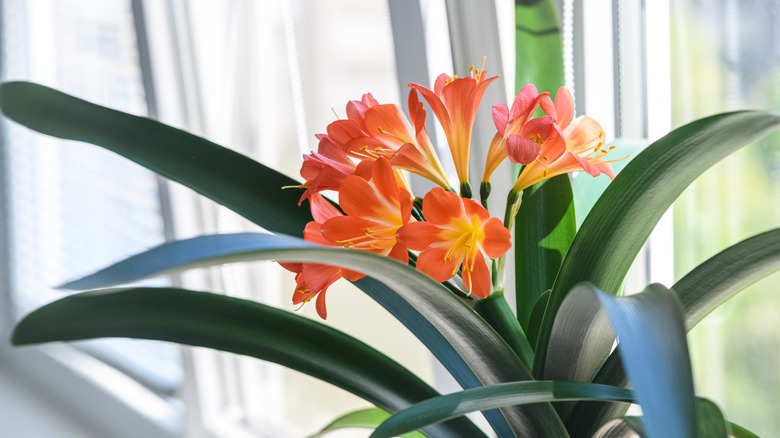
The bush lily (Clivia miniata) may prefer it if winter temperatures dip due to drafts, since this plant goes through a dormant period where it can stand nighttime temperatures below 50 degrees Fahrenheit. After this time of rest, the bush lily should be watered very sparingly. These steps should help foster its vivid, trumpet-shaped flowers. Give the plants a mix of sunlight and shade to mimic the dappled light they receive in nature. If you're nervous about repotting, you have some time: they like to be snug, and you can avoid repotting them for years.
Boat orchid
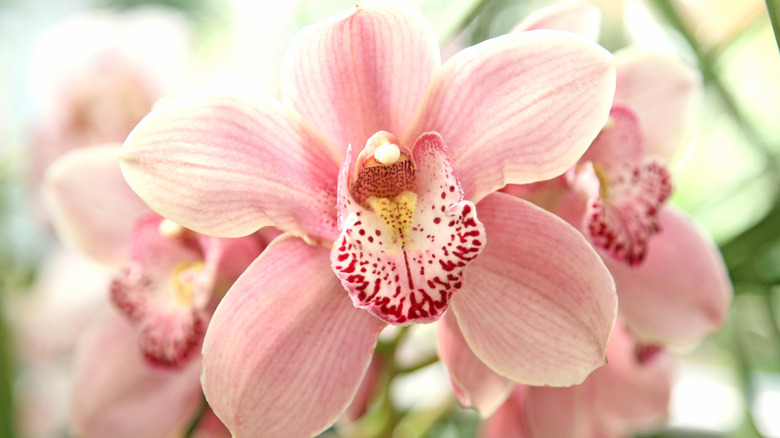
Drafty nights may benefit boat orchids (Cymbidium), which need temperatures to drop so they can flower. If conditions are right, sprays of flowers in white, pink, or yellow will emerge from their spikes. Even though they like it cool, boat orchids need plenty of light in their indoor environment, and if the leaves turn dark green, they may not be getting enough. They should be getting very little water during the colder months, though, due to the particulars of their growth cycle.
Echeveria
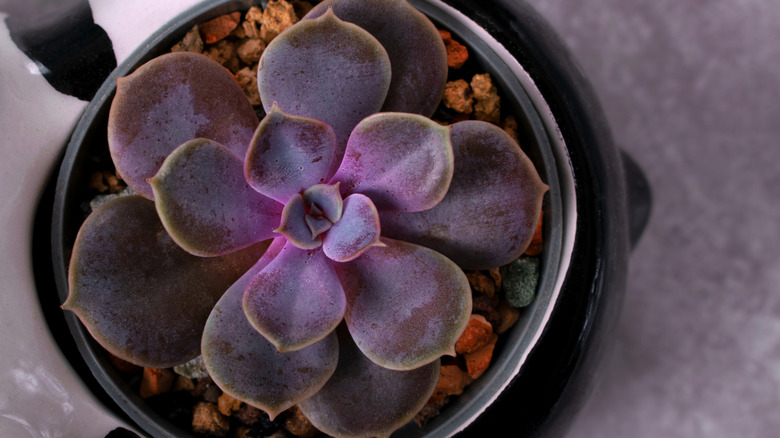
Those who keep their echeveria (Echeveria spp) outdoors should bring them inside in the winter since they can't tolerate frost. Once they're indoors, though, they can thrive in temperatures between 40 and 90 degrees Fahrenheit, which can more than account for some dips over the winter. Light, however, is something to pay attention to when growing echeveria in the winter, since they require six hours or more of sunlight. These succulents show off with a distinctive rosette that can be bluish or purplish in color.
Dragon tree
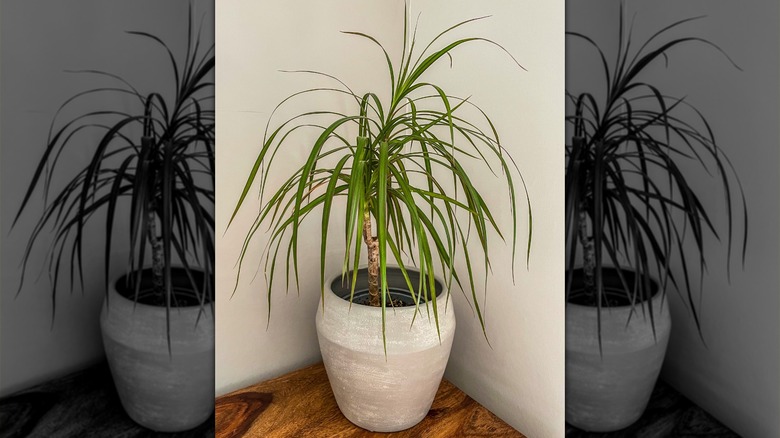
One of the members of the Dracaena genus that can handle some brief dips in temperature is known as the dragon tree (Dracaena draco). In fact, they can be grown in a wide range of temperatures. Dragon trees can grow tall, but many indoor gardeners keep them pruned to stay under 6 feet. As you figure out where to place the tree in your home, low-light spots won't hurt the plants, but they will grow faster and avoid legginess with lots of indirect and bright light.
Lemon tree
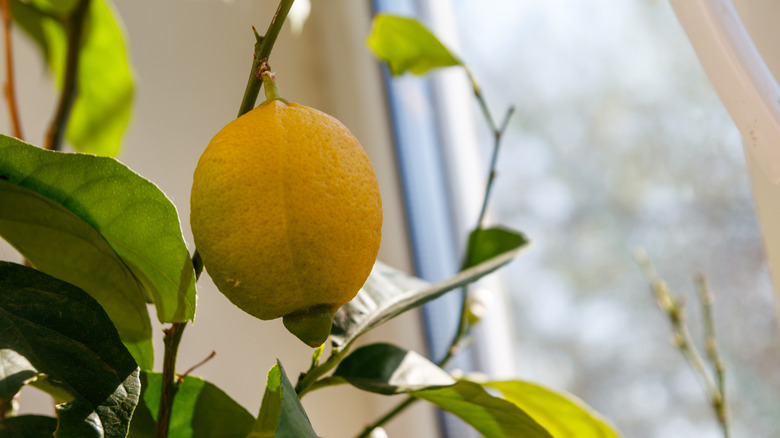
It may seem counterintuitive, but lemon trees (Citrus x limon) can do well through cold winters when protected or grown inside. One type that tends to be brought indoors as a houseplant is the Meyer lemon. Lemon trees can tolerate cooler temperatures, down to about 55 degrees Fahrenheit, but to prevent leaf loss, the fluctuations in temperature shouldn't be too dramatic. For this reason, if you're bringing outdoor potted lemon trees into the home, you should place them in the shade for a while so they can get used to the change.
Fatsia japonica
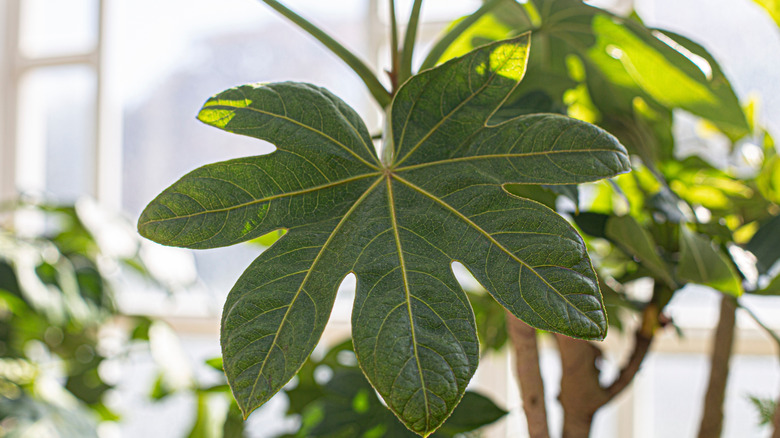
The evergreen shrub known as Japanese aralia (Fatsia japonica) can tolerate the cold. It's known not just for cold hardiness but for its large leaves that create a tropical vibe. A Japanese aralia particularly appreciates cooler temperatures during the winter; those drafts can get down to 45 degrees Fahrenheit. They're also flexible about light levels, though too much direct light isn't ideal.
Christmas fern
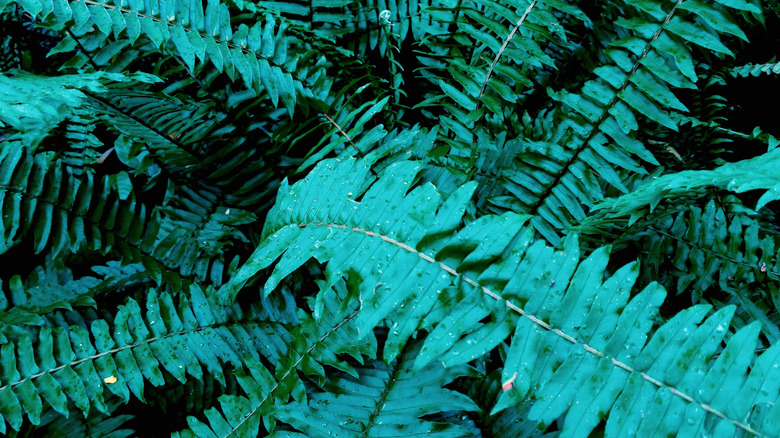
You may receive a Christmas fern (Polystichum acrostichoides) as a winter gift, and that's great timing since this plant is hardy to chilly temperatures, which drafts may create. They got their name from the way their green color stays through the season, so there's not much to worry about when it comes to indoor temperatures. When growing ferns indoors during winter, make sure they receive enough humidity and indirect light to mimic their native forest-floor conditions.
Ponytail palm

Ponytail palms (Beaucarnea recurvata) have the adaptability that makes them fantastic plants for beginners. Their ability to tolerate temperatures as low as 50 degrees Fahrenheit means the occasional gust shouldn't do much harm to the tousled leaves. Winter, when temperatures often plummet, is also a time to ease up on watering this plant, which holds water in its thick trunk. Winter is their dormant period, when these plants like it a bit cooler than usual.
Norfolk island pine
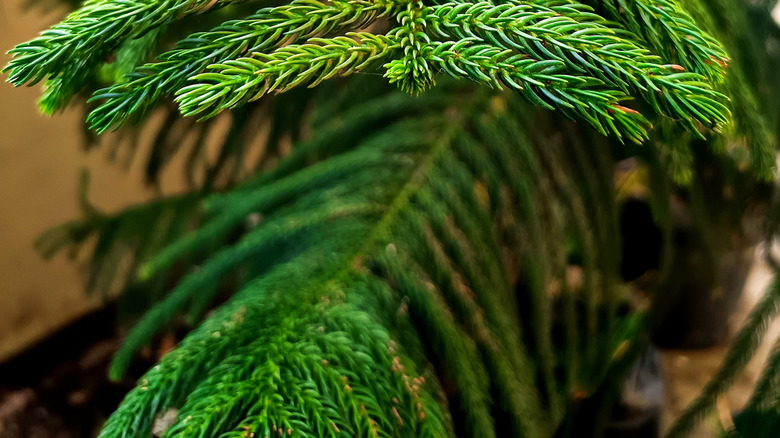
For a festive touch, try growing a Norfolk Island pine (Araucaria heterophylla) indoors. Even though this plant is tropical, it resembles a small holiday tree. Keeping the plant at high temperatures is one less thing to worry about over the holidays, since you can keep it in a room that gets as cold as 55 degrees Fahrenheit. This plant's tolerance of low light is another reason it can thrive through the winter. When it comes to the soil, common care advice is to keep it moist, but not overly soggy.