

16 Plants To Avoid Growing Next To Your Blueberries At All Costs
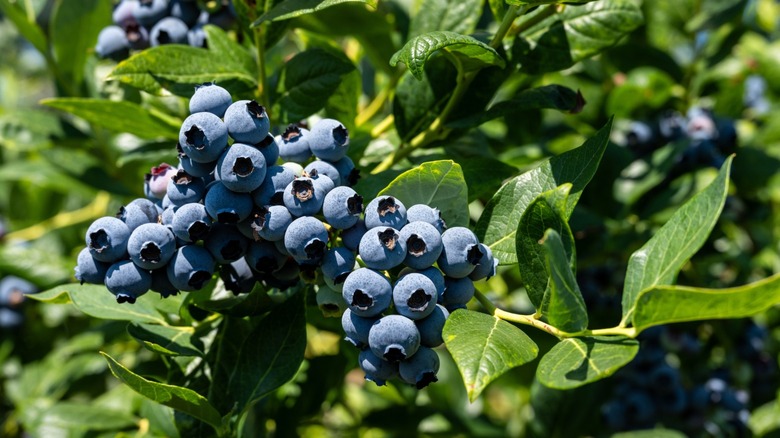
Do you have sweet summer memories of roaming around collecting little round, blue-colored fruits and eating them straight off of the bushes? Imagine growing your own treasure trove of blueberry bushes on your property. It's actually not too difficult to start a small blueberry patch, but pay special attention to what you plant nearby. There are many great choices for plants that serve as excellent growing companions, like basil, or ideal ground covers, like strawberries. But avoid certain plants that do not play well with blueberries like raspberries and cantaloupes. That advice may be your key to a successful crop that will be sure to stain your mouth in the summer.
When it comes to choosing a spot to grow your blueberries or which plants to plant near them, consider the ideal growing conditions. Blueberries do best in very specific soil that is acidic and well-drained. Too high of a pH and you could have trouble getting your bushes to thrive and produce. The specificity of this plant's growth preferences makes it a little tricky to find good companion plants that will make your blueberry bush thrive in the garden. Ultimately, paying attention to the needs of the plants in your garden will lead to the best results, and ensure you don't put two incompatible plants near each other.
Tomatoes
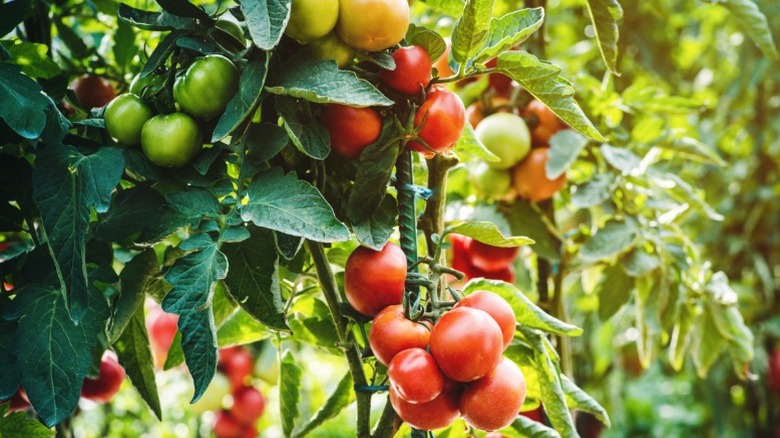
When it comes to members of the nightshade family, it is best to never plant any of them near your blueberries. Tomatoes, for example, grow best in soil with slight acidity, ranging from 6.2 to 6.8. Comparatively, blueberries need higher acidity, making the match incompatible in the garden. Additionally, blueberry bushes appreciate the ammonium form of nitrogen, while tomatoes do better with nitrate nitrogen that is ready to use. Grow these two bushy plants away from each other for the best results.
Black walnut trees
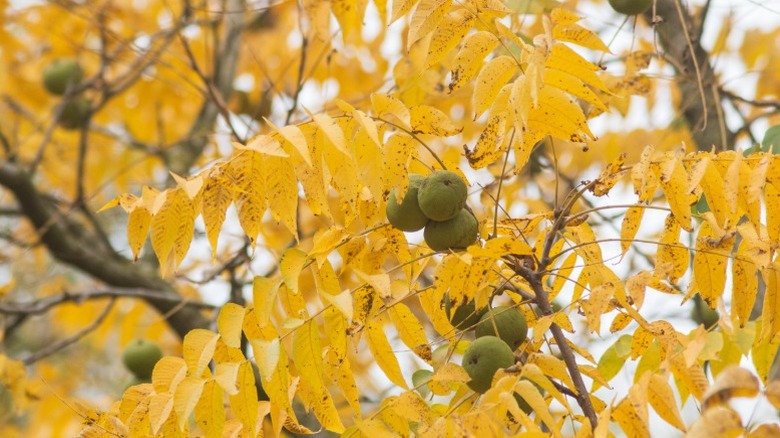
Blueberry bushes and black walnut trees do not work well in close quarters. Unfortunately for those who enjoy the majestic look of a black walnut tree (Juglans nigra), it is said to release a toxic chemical called juglone into the soil. Many plants struggle when planted within a certain growth radius of a black walnut's roots, and blueberries are not an exception. Your blueberry bushes will likely not last long in close proximity to a black walnut tree. You might notice wilting and stunted growth. For the best chances, keep bushes at least 50 to 80 feet away.
Pampas grass
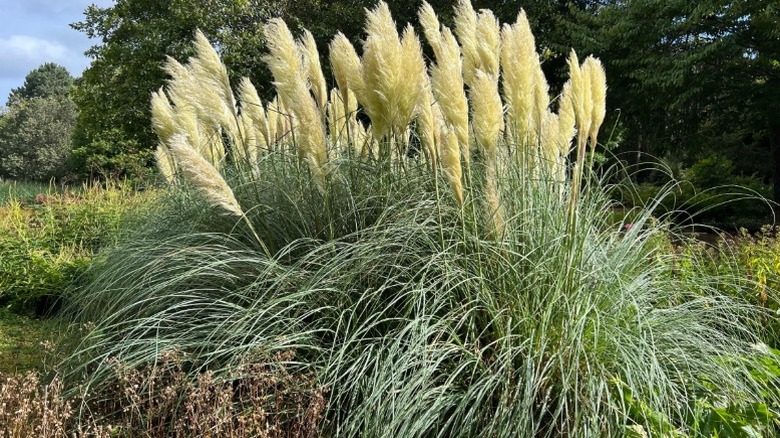
Aggressive types of ornamental grasses, including pampas grass (Cotaderia selloanaa), do not make ideal companions for blueberries. For one, their root systems overtake the more shallow and delicate roots of blueberries. Grasses also have a tendency to crowd out other plants nearby, making them pretty poor companions for many plants, including blueberries. Blueberry bushes, while not requiring full sun all the time, require plenty to ensure robust fruit production. Tall pampas grass planted too close can shade out your blueberry bushes.
Raspberries
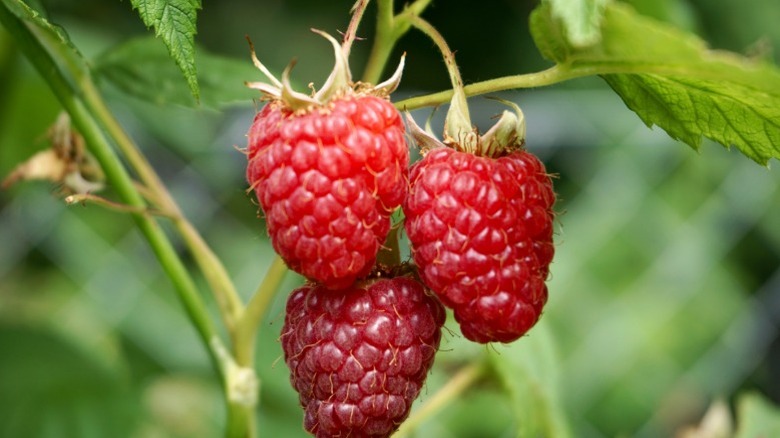
Although blueberries and strawberries are excellent garden companions, the same cannot be said about raspberries (Rubus spp.). Whereas blueberries require acidic soil, raspberries cannot tolerate it. If you grow them too close to each other, you will inevitably have one berry plant that is not growing in the right conditions. Additionally, blueberries and raspberries compete for the same types of nutrients and have similar water needs. If you fail to give enough of either, you may see fewer berries on one or both plants. Raspberry plants also exhibit suckering growth, spreading via rhizomes that might travel directly into your blueberry plant's roots.
Kale
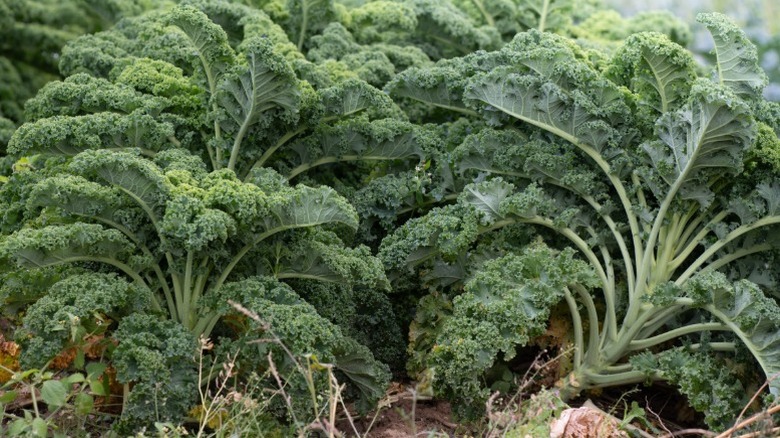
Although blueberries and kale both contain a lot of healthy antioxidants that make you want to keep them in your kitchen, keep them apart in the garden. Blueberries and members of the brassica family, such as kale, broccoli, and collard greens, are just too incompatible. Kale, for example, grows well in soil with a pH of 6.0 to 7.5. Blueberries need highly acidic soil between 4.0 and 5.0. There is too big of a discrepancy for them to do well in the same garden bed.
Lavender
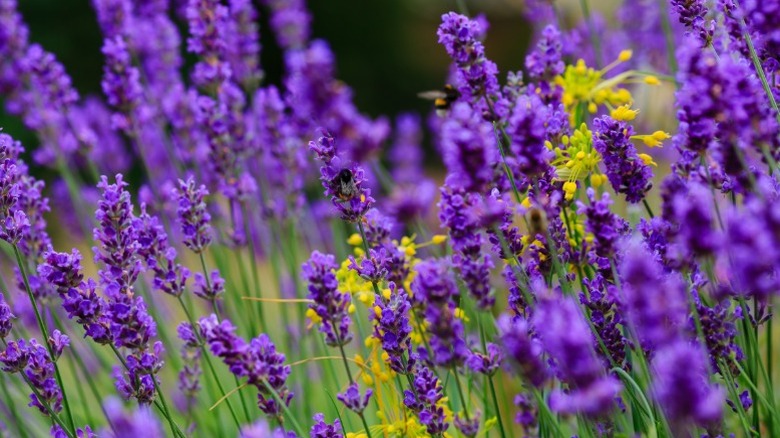
Avoid growing the fragrant herb lavender (Lavendula angustifolia) anywhere near your blueberry bushes. Lavender dislikes acidic soil and will not grow well in the same environment as your berries. Instead, lavender tends to prefer soil that is either neutral or just slightly alkaline. Blueberry bushes, along with needing acidic soil, also need high amounts of organic material to develop fruit. Comparatively, lavender does not really need highly fertile soil and is much more drought tolerant than blueberries.
Cucumbers
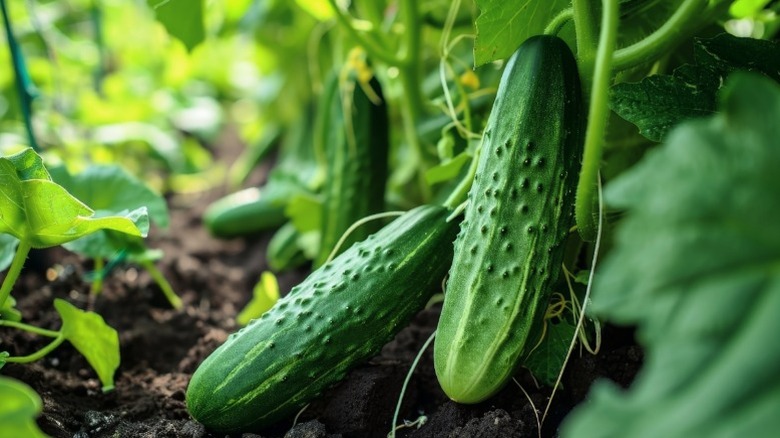
Planting cucumbers near your blueberries might seem like the start to a refreshing charcuterie board, but it's actually a recipe for disaster. If you frequently need to amend your soil, cucumbers and blueberries can make it difficult to decide how much. Cucumbers grow well in soil that tends to be just a little acidic, while blueberries need fairly high acidity. It can also be a little tricky to trellis your cucumbers properly when they are grown in close quarters with blueberry bushes. Both types of plants require space, making companion planting the last thing you want to attempt.
Suckering shrubs
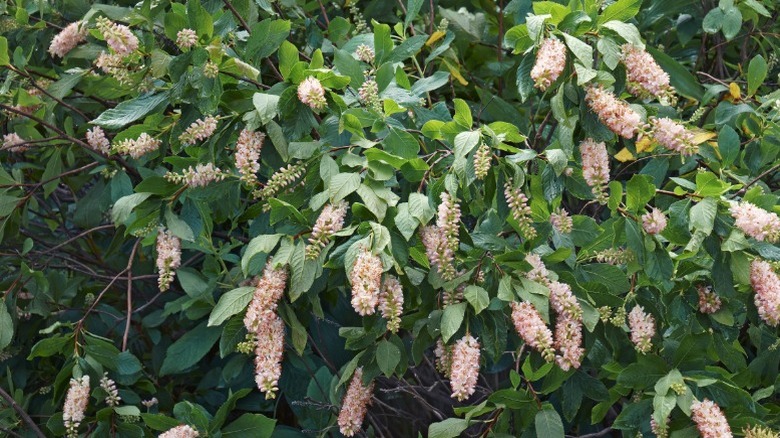
Any number of suckering shrubs, like invasive burning bush (Euonymus alatus) or native summersweet (Clethra alnifolia), do not play nice with blueberries. Blueberry bushes need space to grow and suckering shrubs have a tendency to spread beyond their original planting area. Burning bush can produce suckering roots that will damage the more delicate, shallow roots of blueberry bushes. Even a native type of bush like summersweet, which likes acidic soil, can grow too densely to be planted near your blueberry bushes.
Potatoes
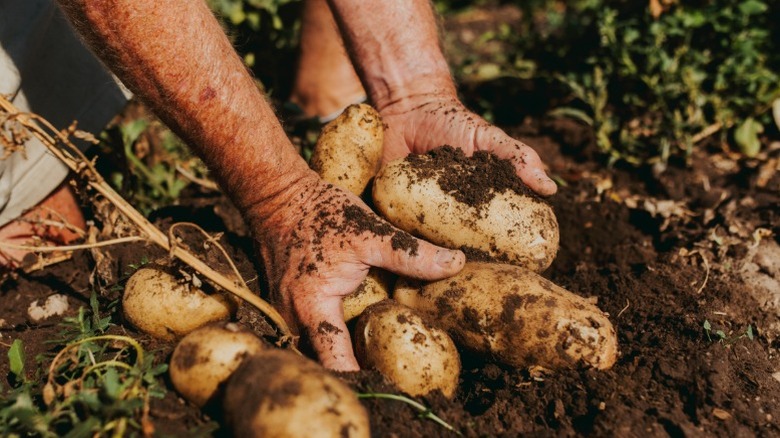
Protect the roots of your blueberry bushes by keeping your potato plants far away. Potatoes actually enjoy similarly acidic soil, producing the best crops with a soil pH of 4.8 to 5.5. But the underground growth of potatoes may be too disturbing to the roots of blueberry plants. Blueberries have fine root systems which can be sensitive to disturbances. Paired with potatoes, which develop tubers under the ground, blueberry bush roots might not do very great. Plus, whereas blueberries typically need extra nitrogen, potatoes grown with too much nitrogen will not yield a lot of tubers.
Beans
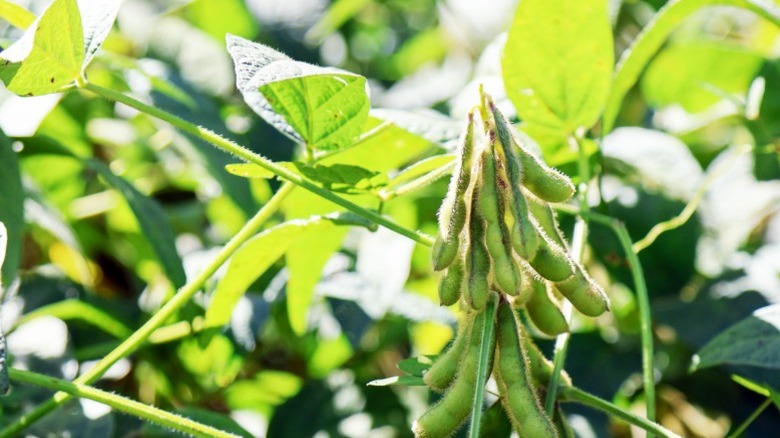
Do yourself a favor and never plant beans close to your blueberries. Unfortunately, they are one of the vegetables that you want to keep your blueberry bushes away from in the garden. Beans can seem like an ideal companion for blueberry plants, which can tolerate lower nitrogen levels in the soil. Bean plants, like many legumes, can help fix nitrogen in the soil. However, these two plants are incompatible when it comes to their soil pH requirements. Beans only need the soil to be slightly acidic, ranging between 6 and 7, much less than blueberries which prefer higher acidity.
Mint
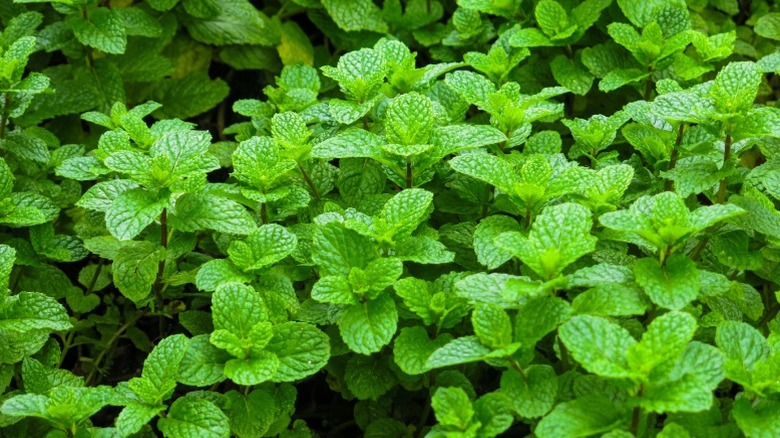
Although mint can be helpful to your blueberry plants, thanks to its ability to drive away pests, you still might want to avoid planting them directly next to each other in the garden. Mint (Mentha spp.) can be very aggressive in its growth habits. Unfortunately, that means it can grow too close to your blueberry bushes. Blueberries need adequate space for airflow to prevent diseases. Mint can spread a little too quickly, so it's best that it remains apart from other plants that need space.
Cantaloupes
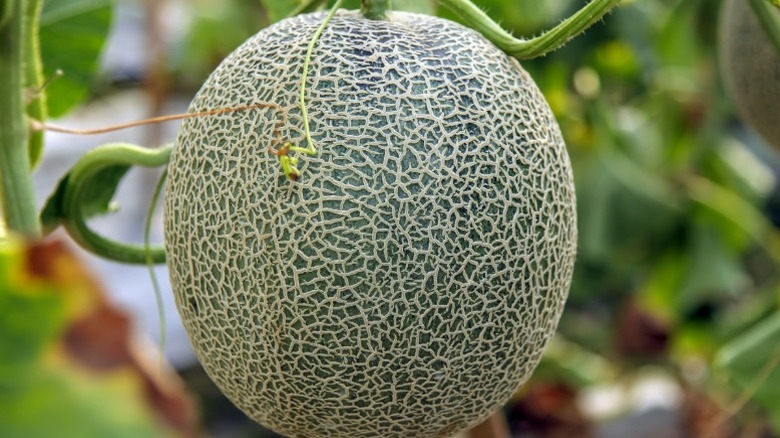
Cantaloupes (Cucumis melo) and blueberries might belong in a fruit cup together, but they should be kept on opposite sides of the garden. First and foremost, they have completely incompatible soil preferences. Blueberries need acidic soil with a pH around 5 to thrive. Cantaloupes, by comparison, need slightly less soil acidity. Plus, you cannot forget to take into account that cantaloupes use up a lot of nutrients and water to grow their long vines and large, round melons. Plant them too close to your blueberries and they will steal away nourishment. Both of these plants also require plenty of space.
Rhubarb
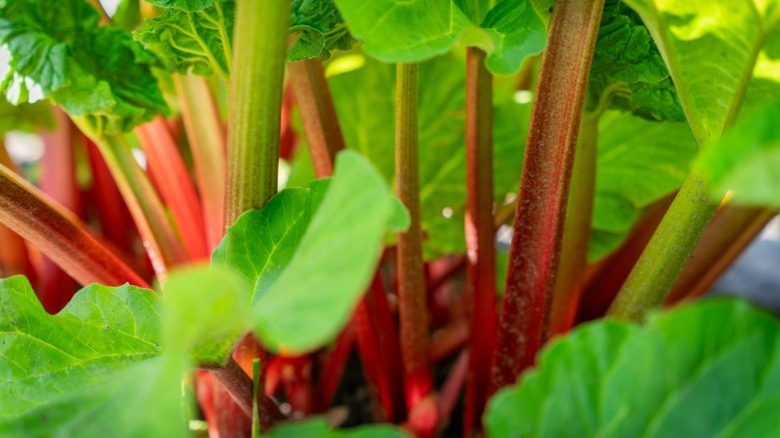
Some gardeners might decide to grow these two plants together because they like acidic soil. However, rhubarb (Rheum rhabarbarum) and blueberries are not a good match due to another important reason. Both plants take up a lot of space in the garden and require ample space to grow. Blueberry bushes, for example, need 3 feet of space between other blueberry bushes and other plants. Rhubarb is also an impressively-sized plant that needs at least 9 square feet of space. And although rhubarb likes acidic soil, the largest plants grow in just slightly acidic conditions (not the high acidity that blueberries thrive in).
Eggplants
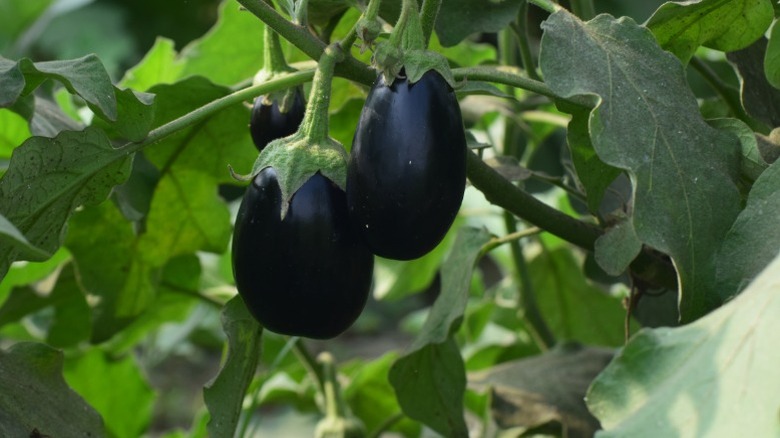
Save yourself the trouble down the road and avoid planting eggplants (Solanum melongena) near your blueberries. One of the biggest mistakes you could make when growing eggplant in your garden is planting it near the wrong type of companion plant. Eggplants prefer slightly acidic to neutral soil, unlike blueberry plants. They make even worse companions when you realize that eggplants require lots of water and nutrients. Planting them too close to other plants, including a blueberry bush, can prevent them from thriving.
Asparagus
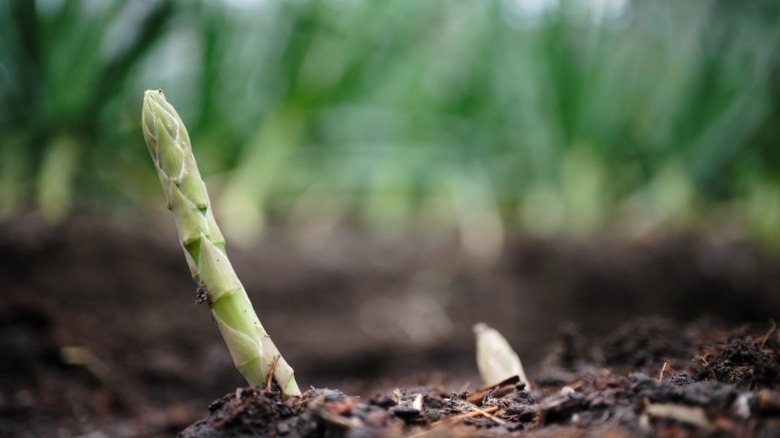
Both asparagus and blueberry bushes are plants that help teach gardeners patience. Blueberry bushes take a few years to grow before providing great harvests. And asparagus also take at least two full years of growth before you can start harvesting stalks. Despite the way they both test your ability to wait, you should tend to these two plants far away from each other. Asparagus requires more neutral soil compared to the acidity that blueberries love. In fact, highly acidic soil can lead to devastating bacterial wilt in asparagus. Plus, blueberries might not do very well next to heavy feeders like asparagus.
Artichokes
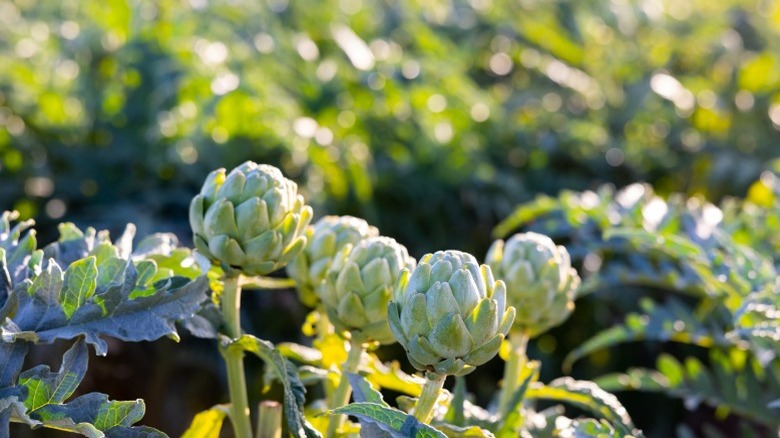
Trying to grow artichokes too close to your blueberries will lead to frustration. Artichokes are happier with a slightly higher pH than blueberries need to be successful. If you try to meet in the middle, one of the plants will not be pleased. Blueberry bushes may experience negative effects, like yellowing leaves, if grown in soil with a pH over 5.5. Another point against artichokes as a companion for blueberry bushes is their need for lots of nutrients. You may end up without enough nutrients to go around if you plant your blueberry bushes and artichokes together.