

Electric Heaters Vs Radiators: Which Is The Better Option For A Lower Power Bill
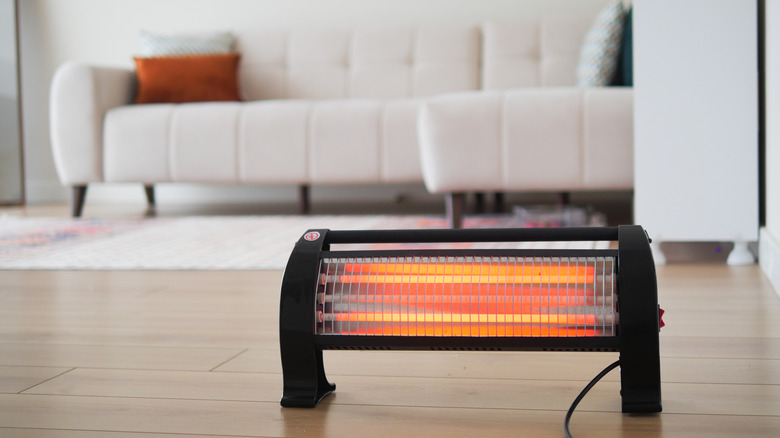
If you're trying to cut down your monthly electricity bill, choosing between an electric heater and a radiator can feel confusing. The short answer is that radiators are usually cheaper to run over long periods, while electric heaters are better for quick, short-term warmth.
Electric heaters, or space heaters, use fan-assisted or convection heating to circulate hot air around the room. They are typically portable and quick to warm up. But when it comes to your monthly power bill, that convenience can come at a cost. Most electric heaters aren't very energy efficient. Run them for a few hours each day, and you may start to see your electricity costs creeping higher than you'd like — even though the initial cost is relatively low.
However, there are two situations where space heaters actually save you money: spot heating and temporary heating. If you only need warmth in one room — say your home office — a small heater for heating a certain spot would be cheaper than whole-home heating. And if you just need heat for an hour or two, electric heaters are very cost-effective. They warm up quickly and don't waste energy heating unused spaces. But if you're relying on an electric heater as your primary source of heat, especially in a poorly insulated space or a large room, you're looking at a great deal of energy consumption. Plus, you don't get equal heat distribution throughout the room. Electric heaters might be the better choice for short-term comfort and convenience, but they're not always ideal for your wallet. In fact, these heaters can make energy bills skyrocket, especially in the winter.
How radiators are better for lower energy costs
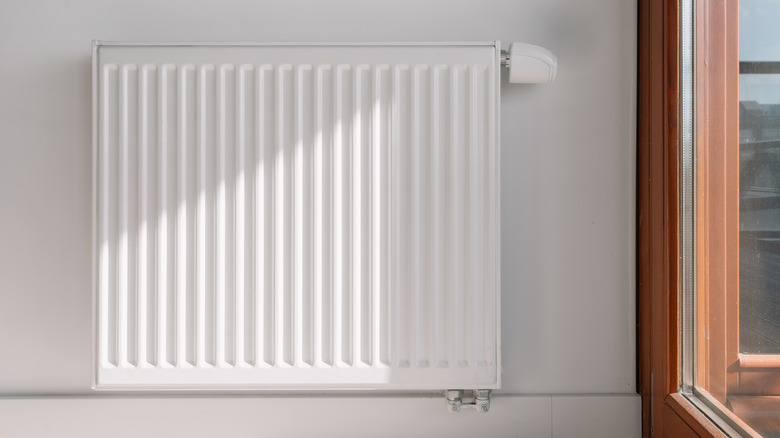
Electric radiators work very differently from electric heaters. They heat an internal fluid or a metal element, and that warmth radiates slowly and evenly into the room. They take longer to heat up, but once they're warm, they hold heat incredibly well. And unlike electric heaters, radiators are much more energy efficient. This makes them more cost-effective if you need to heat your entire home. Plus, if there are rooms in your home that nobody is using, you can turn off the radiators in those rooms using smart controls. That way, you'd save more on heating costs. And let's not forget to mention that even repairing a radiator doesn't cost much.
Another advantage of radiators is that they warm both the air and objects around them — electric heaters only warm the air. Also, they don't have to run constantly to maintain the temperature. Once they're hot, radiators cycle on and off to maintain heat. Because they retain heat, they consume much less electricity over time. This makes them perfect when you need continuous heating. And since radiators don't create hotspots, the room feels naturally warm and stays warm longer, even after you've turned the unit off.
So, which is better for a lower power bill, electric radiators or space heaters? If you want fast, targeted heat for short periods, a heater makes more sense. But if you're looking for long, sustained warmth, radiators are the better option. They're more energy-efficient over time and more budget-friendly for daily winter use.