

Does Not Unplugging Electronics And Appliances Cause Damage?
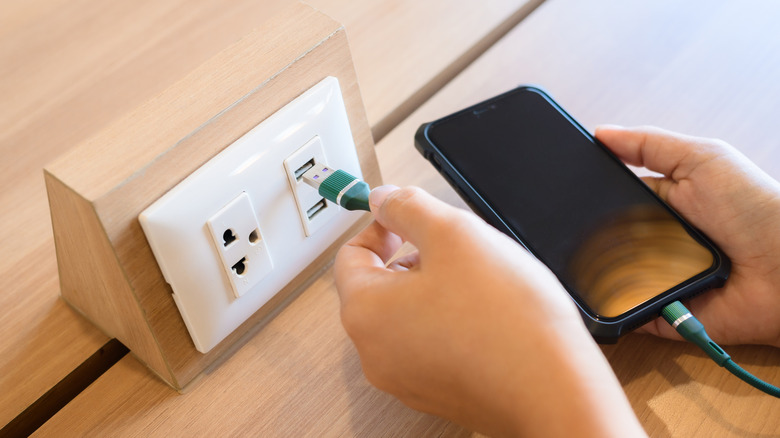
It's often highly recommended that you unplug all devices from outlets when not in use, including charging cables, electronics, and appliances. Though it's a pain, these suggestions are for a good reason. The two biggest issues are that leaving items plugged in can lead to a higher energy bill and potential fires due to a short in the wiring. For example, the chances of a house burning down are one of the reasons why you should keep your air fryer unplugged when it's not in use. However, there is another reason why you may want to unplug at least certain items in your home when not in use, and that is the potential danger it causes your devices.
Electronics with lithium batteries – such as laptops, phones, and tablets — used to face some serious issues if you kept them plugged in. Lithium batteries can't handle a full charge for extended periods well, and this shortens their life, as does the heat that comes with overcharging the battery. These issues were the reason it was recommended to keep your phone somewhere between 20% and 80% at most times, rather than letting it go completely dead and charging it all the way to full. While that is still a good practice to follow, it's not quite as necessary now as it was back in the day. Most electronics have built-in overcharge protections that stop this stress from happening. So now, overcharging doesn't harm your battery as much as it used to.
Appliances don't quite work the same way as electronics
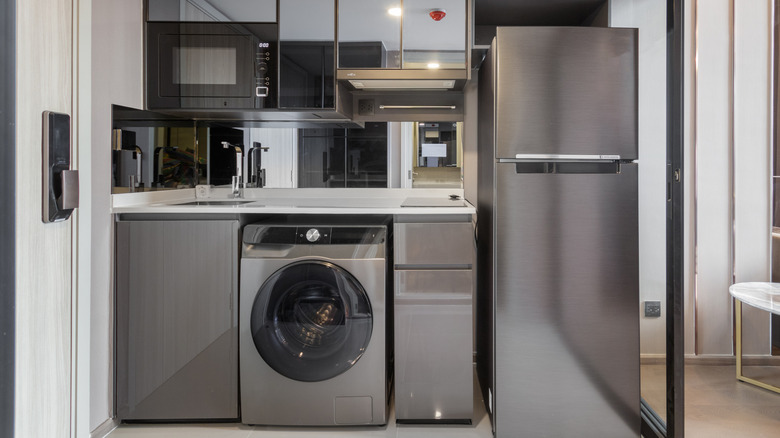
Now, appliances are a different thing. Generally, these are larger devices that don't come with batteries, because they are traditionally meant to be plugged in while in use. Appliances can include things like refrigerators, TVs, corded vacuums, and irons. For the sake of this argument, desktops can also be included in the appliance category, as they do not have a battery to operate without constant power. Appliances do not get damaged from being plugged in all the time, because they don't have a battery that can be harmed. At least, this is usually the case.
Cordless appliances, however, will suffer the same issues as electronics and should not be left plugged in all the time. For these devices, it can be an even bigger issue. After all, while many big-name-brand appliances do have overcharge protection and automatically stop charging when full, not all of them do, and they can easily overheat or wear down the battery. In short, if you have a device with a lithium battery that gets hot while charging, this will likely shorten its lifespan. Although electronics aren't as affected by staying plugged in all the time like they used to be, there's no harm in adjusting your charging habits if you want your batteries to last longer.
Preventing your appliances and electronics from getting damaged when kept plugged in
There are a few things you can do to stop your electronics from being damaged. For example, the settings on devices can help. If possible, the best way to ensure that your battery stays strong over time is to see if your device has something like "Optimized Battery Charging," "Battery Protect," or "Adaptive Charging," which helps slow down your phone and prevent it from staying at full charge the entire time it's plugged in.
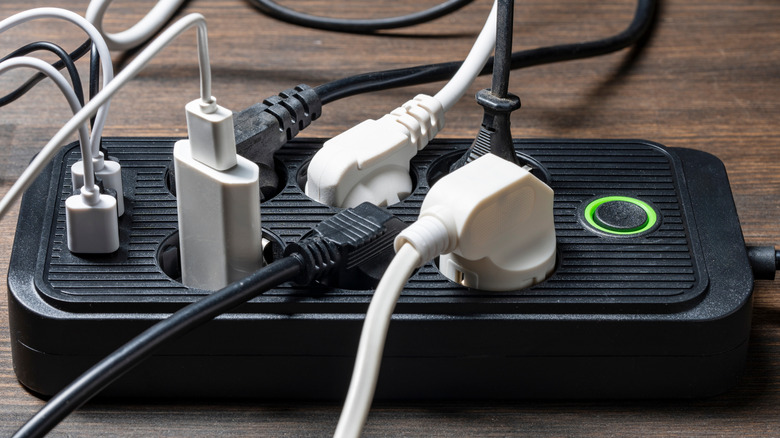
Additionally, for electronics and appliances both, unplugging and plugging back in all the time can be a pain, especially if you like to keep those unsightly cords hidden around the house. While this does make your space look nicer, it's also much harder to get to outlets all the time. One solution is to use a power strip. The good ones often have a switch to turn electricity to the plugged-in devices on and off, plus they usually provide some protection in case of a surge or short circuit.
A power strip is great for small and medium power-drawing devices like gaming consoles, TVs, phone chargers, and so on. It's also a great way to prevent unnecessary electricity usage with appliances and can reduce the chances of fires. However, high-power appliances — like washers, fridges, and ovens — should never be plugged into power strips.