

The Little-Known Way To Use Cooking Oil Outside Of The Kitchen

Chemical pesticides are designed to kill pests, but they can also harm people, pets, and the environment. Exposure to these chemicals can cause skin and eye irritation and can even contribute to chronic health problems such as hormone disruption, neurological issues, or cancer. Pesticides don't just stay on your plants either. They leach into soil and wash into nearby waterways, polluting the environment and harming wildlife. Luckily, there's an easy way to naturally repel pests from your garden with an item from your kitchen.
A homemade garden repellent made from cooking oil is a great choice for gardeners who want an effective, affordable, and non-toxic way to repel pests without harsh chemicals. This repellent provides pest control while remaining safe for people, pets, and wildlife by using only mild, natural ingredients. It's also budget-friendly, made from only a few simple pantry staples. Homemade oil spray breaks down quickly in the environment, reducing residue on edible plants and supporting a healthier, more sustainable garden.
How to make a natural garden insect repellent with cooking oil
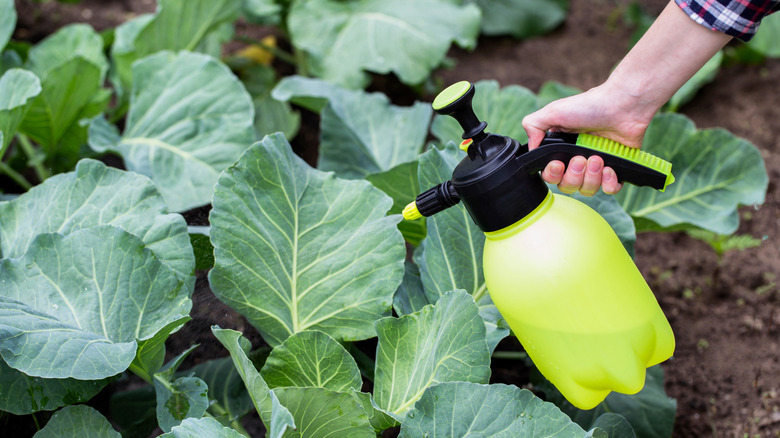
You can make a simple, natural insect-repellent spray with a light cooking oil, such as vegetable or corn oil, and a few drops of mild soap. This repellent is effective at getting rid of common garden pests like aphids, mealybugs, thrips, mites, and scale insects. To make it, mix about 1 cup of oil with 1 tablespoon of mild soap, like castile soap. This concentrate can make a big batch of repellent or several smaller batches. Dilute 2 to 8 teaspoons of the concentrate with 1 quart of water, then mix it well.
This simple repellent repels pests by blocking their breathing pores and making your plants unpleasant to eat. It's best to use the spray in the early morning or evening, avoiding direct midday sunlight. For best results, spray thoroughly on both the tops and undersides of your plants' leaves, avoid stressed plants, and test the solution on a few leaves first to ensure no leaf burn.