

10 Unbeatable Ways To Tell If Your Home Was Built To Last

"They don't build things like they used to," is something grandpa might have said sitting around the dinner table. And if you've seen any of the ridiculous number of social media posts from home inspectors pointing out the insane issues with new construction homes, you might start to believe he's right. It might even persuade you to buy a 1950s fixer-upper, built in a time when things were meant to last. But what do you do if you currently own your home and want to know if it was built right? There are a few things you can look at in your home that will let you know if the builder had quality in mind and was not just cutting costs. Quality building materials, building strategies conscious of the elements, and making sure everything is square and level are some of the signs that a home is built to last.
Now you're probably panicking if you just recently had your home built from scratch instead of buying an already built home. Most likely you're concerned that your builder may have been more focused on time- and cost-saving practices. The truth is, even some homes from past decades are not so valuable and may have issues as well. But if you know what to look for, you may discover your home was actually built solidly and with proper maintenance can last your entire life. Below are things that truly showcase your builder's commitment to craftsmanship and the safety of the future homeowner, not just making a buck.
Roof in great shape
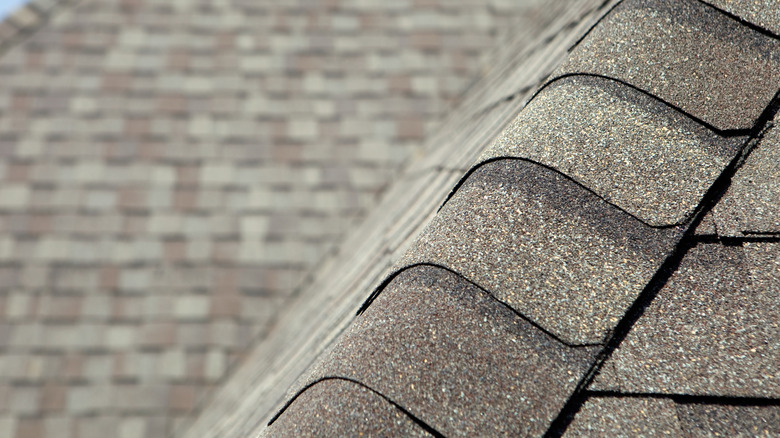
Next to the foundation and the frame, the roof is one of the most important parts of your home as it protects your home from the elements. If you notice your roof is sagging, the shingles are falling apart, or it's made from cheaper materials, you have a problem. But if your roof is straight, made with high-quality shingles and underlayment, you have a solid build. No matter what, every roof will eventually need to be replaced. But a well-constructed roof constructed will need to be replaced less often and will protect the rest of your home.
The foundation is clearly solid
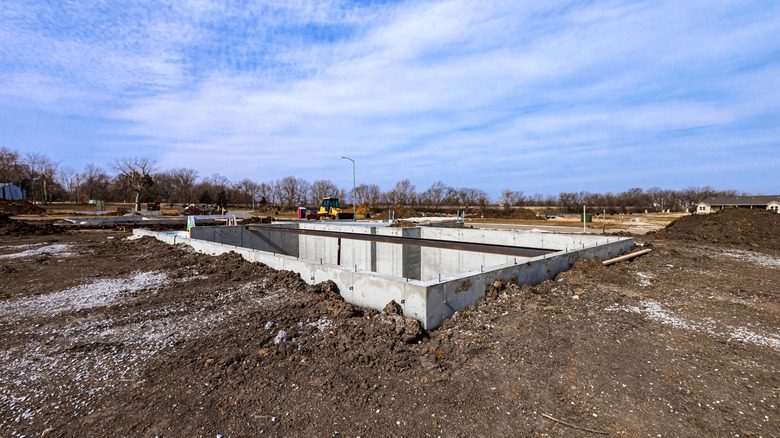
The foundation is the most important part of your home — it's literally what your entire home rests on. If your foundation wasn't built properly, a host of issues will quickly appear. If you notice cracks, crumbling mortar, or shifting of any kind within a short time, you are looking at a very expensive fix. A well-built foundation takes water drainage, soil type, and vegetation near it into account. If the builders of your home took these factors into consideration, your foundation should be good for a very long time.
Your drywall or plaster is clean and crack-free
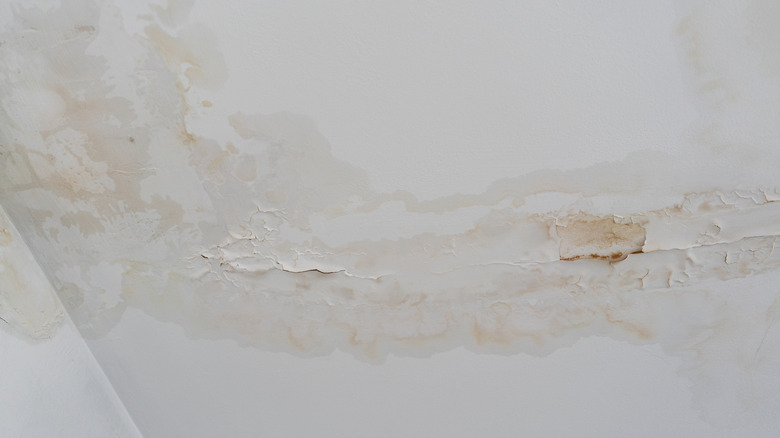
If you're noticing cracks or staining on your drywall or plaster in no time, it could be a sign of a whole host of issues. It could mean a roof or water leak, a shifting foundation, or a poor installation. When you see these issues, you need to follow up and investigate the cause. Other problems that are signs your drywall was installed improperly can be popped screws, visible joints, or uneven corners. If you don't notice any of these, that's a good thing, but it's important to stay vigilant.
Your plumbing is made of copper
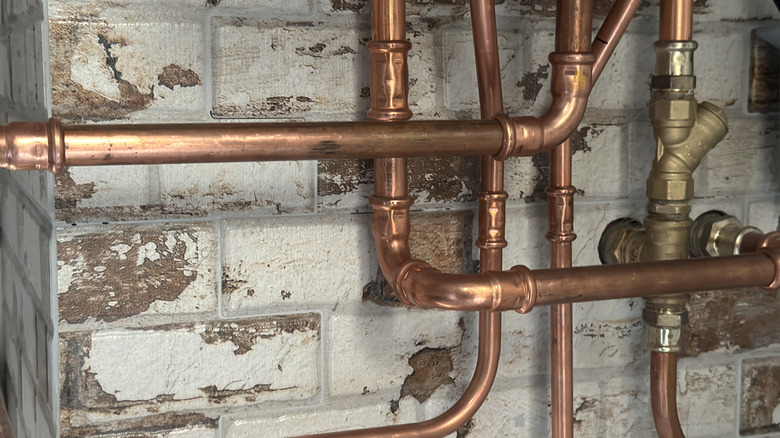
If you have copper plumbing, you have the Goldilocks of plumbing pipe materials. Copper plumbing is quite wonderful because it does not warp, is impervious to damage by UV light, is fire resistant, and it cannot be destroyed by rodents. It can corrode if you have extremely hard water or highly acidic water. But its pros outweigh its cons by quite a bit. And if it's already in your home you don't have to worry about installation costs.
There's a level and sturdy floor
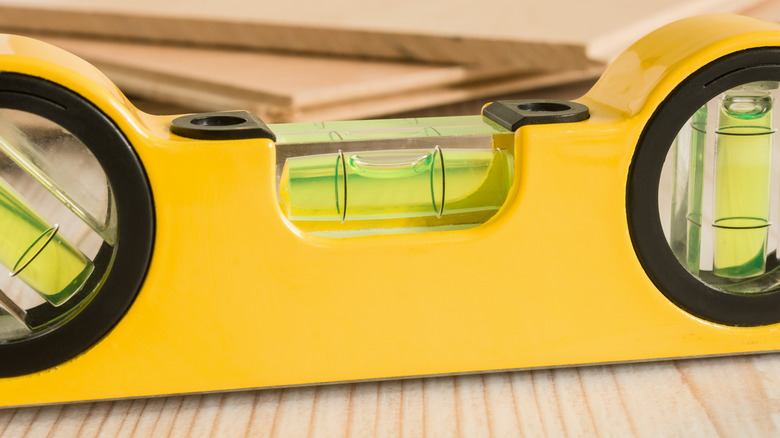
If you can drop a marble in your kitchen and it doesn't quickly roll across the floor and end up under your refrigerator, you likely have well-built flooring. But if you notice bounciness, warping, buckling, or cracking soon, you may have flooring that's deteriorating. And if you have foundation issues, it can also damage your flooring. If your builder used quality materials and techniques when putting in your floor, it should last for at least 10 years for vinyl and up to 100 for hardwood.
The house was built with solid building materials
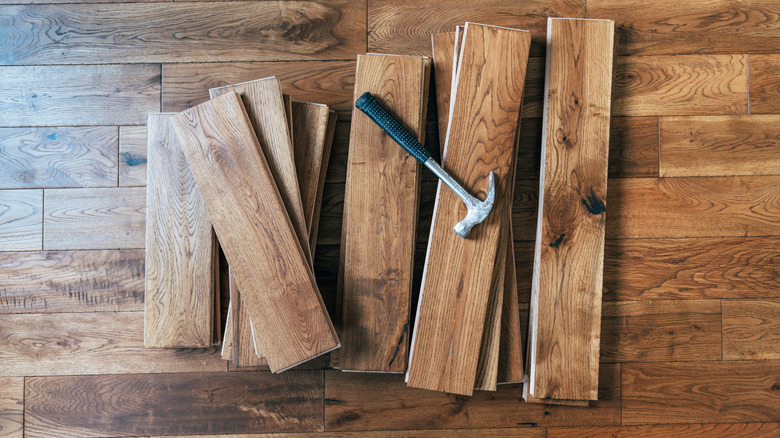
As mentioned in a couple of the other entries on this list, what the parts of a house are made of can really determine if your home was built to last. If your builder used cheap materials, in an effort to save time or money, your home is most likely going to develop issues relatively quickly. Homes that have stood the test of time are usually made with hardwood, steel, concrete, stone, or brick. While innovation is great, it's a good idea to give new inventions time to prove themselves before using them in your home.
You have airtight seals and caulking
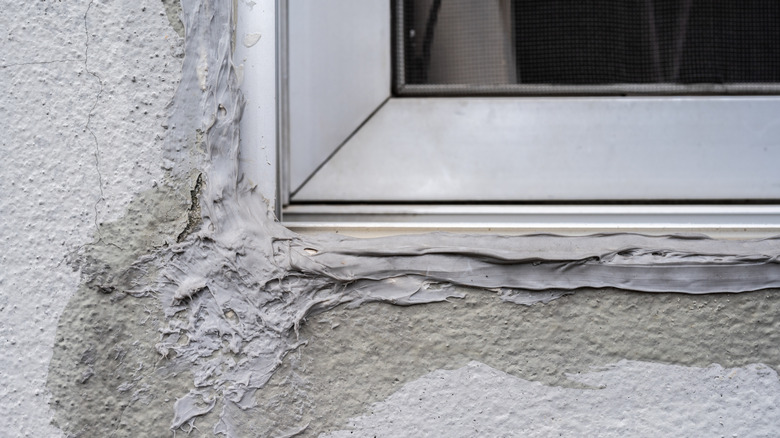
Making sure your home has proper sealing as well as caulking and that it is re-applied when needed can protect you from all kinds of expensive fixes. If the vents, siding joints, chimneys, trim, windows, and molding aren't properly sealed, your home is at risk. And making sure your home is properly sealed can prevent weather, warping, or pest infestation from causing major damage to your home. This is one of the tasks of home construction that really tends to suffer when builders are trying to cut corners. If your seals are in good shape, you have a good build.
High-quality windows were used
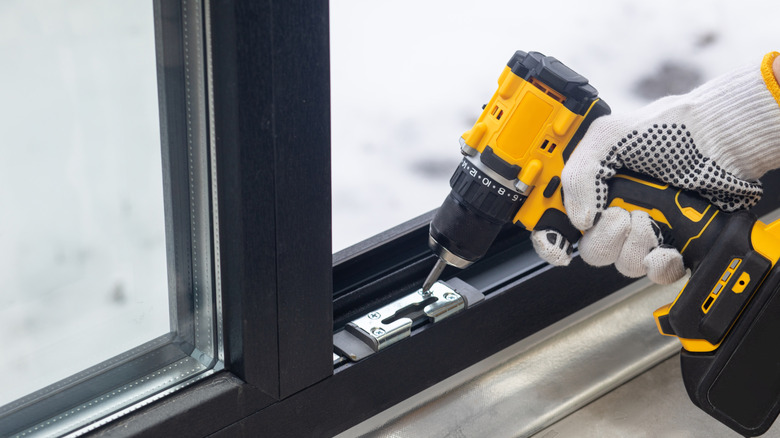
Good quality windows with double panes and professional installation are a sign of a house built right. If you quickly start noticing condensation, airflow around the frame, difficulty opening or closing them, or cracking and missing sealant near the corners, you likely have poor quality windows. Newer windows that last the longest are typically made of good quality vinyl. With proper maintenance and proper care, good windows can protect your home from the weather and ensure it lasts a lifetime.
All your walls are square
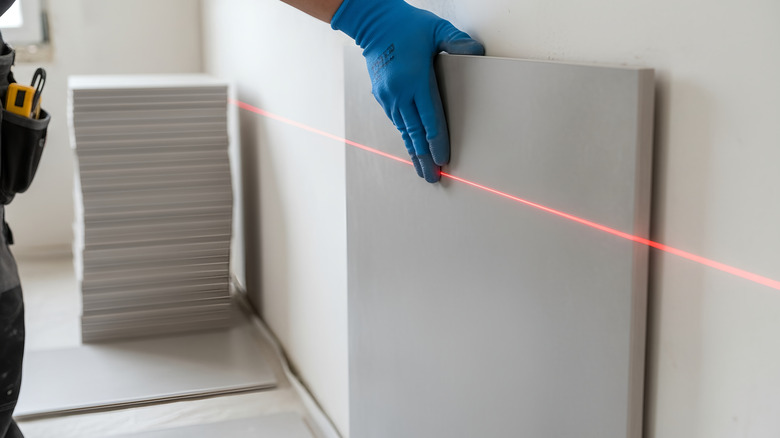
If you can put a straight edge at the base of a wall and hold it level, and you notice the wall either bends away or toward your straight edge, your walls are not square. But if you do this same test and your walls run evenly alongside the straight edge, your walls are plumb, and the person who built your home knew what they were doing. This is a good sign, because homes with square walls are a lot easier to do renovations on and tend to have fewer issues (straight walls hold and distribute weight properly).
You're enjoying solid core doors
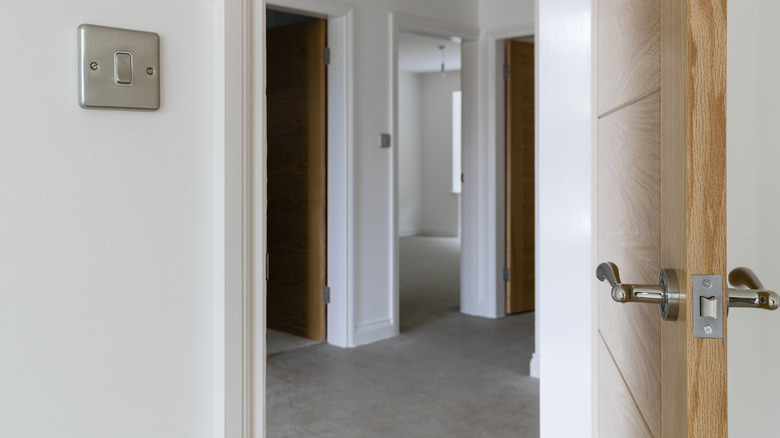
One of the key giveaways that the builder cared about building your home is if they used solid core doors. If you tap on one of your interior doors and it sounds heavy rather than hollow, you have solid core doors. Because solid core doors are significantly more expensive than hollow core doors, this is one of the first places builders tend to cut costs. The benefits of this type of door are that they can create quieter rooms, save on heating and cooling costs, and they are extremely durable.