

Is It Worth It To Build Your Own Furniture?
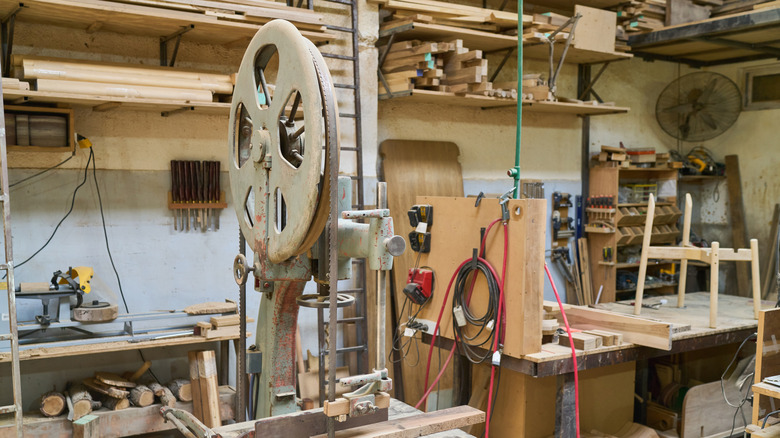
Have you ever had a vision for the perfect table to complete your dining room, but couldn't find it when you went shopping? Or been shocked at the high price and poor quality of new furniture? If so, you've probably wondered if it's worth it to try your hand at building your own. The benefits of building your own furniture are numerous. You can design exactly what you want, and it's a productive outlet for your creativity. Building your own furniture can be cheaper than buying it, particularly if your tastes run toward luxurious and high-end designs. You'll get a rush of pride every time you use a piece of furniture you built yourself. It's also a hobby that you can turn into a source of income, if you wish.
However, building furniture isn't a quick and easy undertaking. It requires a lot of space as well as a significant investment in woodworking tools. Some of the tools are quite expensive, so it may take quite a while to get to the point where building furniture is cheaper than buying it. It also takes time to learn the skills you need to build professional-looking furniture. Overall, it's probably worth it to build your own furniture if you plan to build many pieces, and it's a hobby that you enjoy. Otherwise, you'll be better off buying what you need.
How to get started building your own furniture
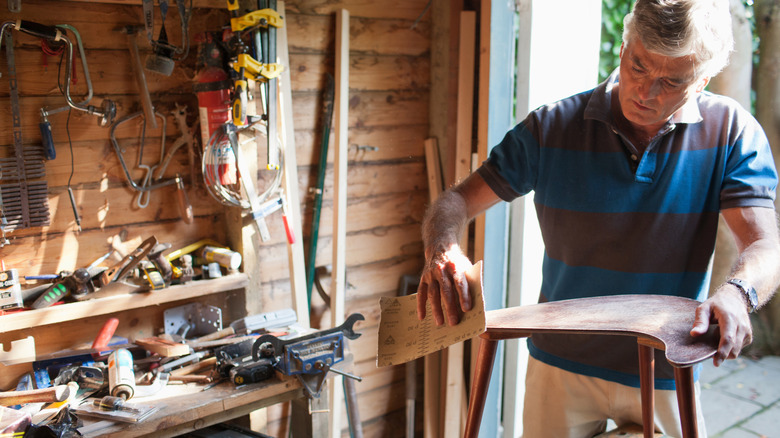
When you look around a furniture builder's workshop, it's easy to get overwhelmed by all of the tools and supplies. Table saws, drill presses, and workshop benches are large and expensive. You could easily invest thousands of dollars before you build anything, but that's not the best way to get started. Instead, pick a simple project, such as a side table or DIY bookshelf, and just buy what you need to build that. As you gradually improve your skills, you can add more tools over time. Eventually, you'll have both the skills and the tools you need to tackle even the biggest and most complicated projects.
Though not impossible, it will be harder to get into building furniture if you don't have a dedicated space, such as a garage or workshop. You can manage with a space-saving workbench and some basic tools. Some of the tools that will get you started with smaller projects include measuring tapes, sandpaper, a combination square, several different types of saws, clamps, a staple gun, a nail gun, and a drill. Don't forget gloves and protective eyewear, as well. Most of these tools are multi-purpose and relatively inexpensive. So even if you build a few pieces and decide furniture building isn't for you, you can still use them on other DIY projects, and you won't have spent a fortune.