

28 Worst Plants To Attempt Growing Indoors
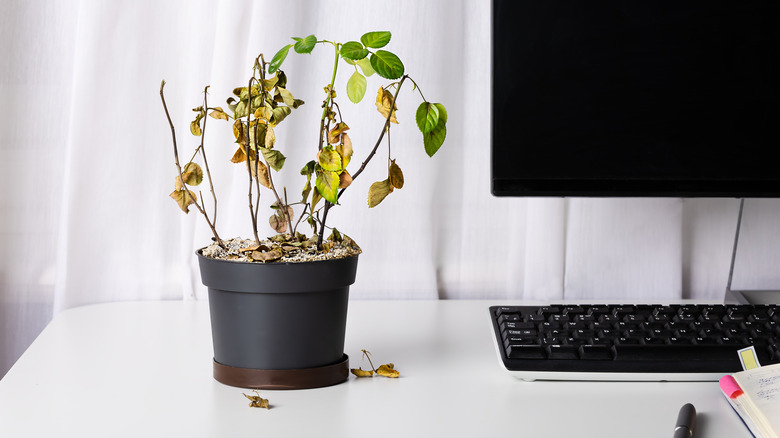
Here's the thing — not all pretty plants deserve a spot inside your home. Sure, they look enchanting in their cute pots at the nursery or supermarket. That charm won't necessarily last when you take the plant home and place it on a windowsill. It's rarely due to a lack of gardening skills on your part. In most cases, houseplant death is the result of a mismatch between growth requirements and what your climate-controlled, closed-off environment can offer. Unless you're ready to get serious about indoor gardening and meet some truly high-maintenance demands, avoid citrus, gardenia, staghorn ferns, chrysanthemums, poinsettias, and hydrangeas, among many others — some of which are commonly considered viable houseplants.
Take roses or spruce, for instance. Both plants require a cool dormancy period that homeowners would struggle to replicate indoors. Meanwhile, geo and rex begonias need such high humidity that even your walls would be sweating. Show-stopping bloomers like cyclamen and some orchids need dramatic temperature swings between day and night, something uncommon in a standard living room. Your home isn't a greenhouse, after all. Others, like rose-painted calathea and maidenhair ferns, turn their leaves up at poor quality water. If it's not purified, you'll be bidding them farewell in no time. Conversely, herbs like lavender and rosemary wither away in low-light homes.
Fiddle-leaf fig
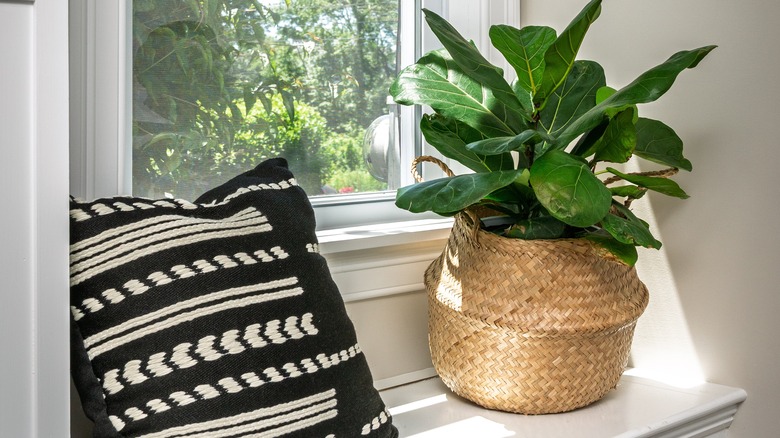
Once highly coveted, fiddle-leaf figs (Ficus lyrata) number among the high-maintenance houseplants everyone is ditching for easier alternatives. To say they're difficult is putting it mildly. If the spot they're sitting in isn't bright enough, they'll drop leaves. But their leaves will burn in too much sunlight. Whether you underwater them or overwater them, they struggle to thrive. Have uneven temperatures indoors or can only situate your fig near cooling vents? These big-leafed beauties won't look quite so good with brown-spotted foliage. If you're not one for babying your houseplants, give fiddle-leaf figs a miss.
Citrus
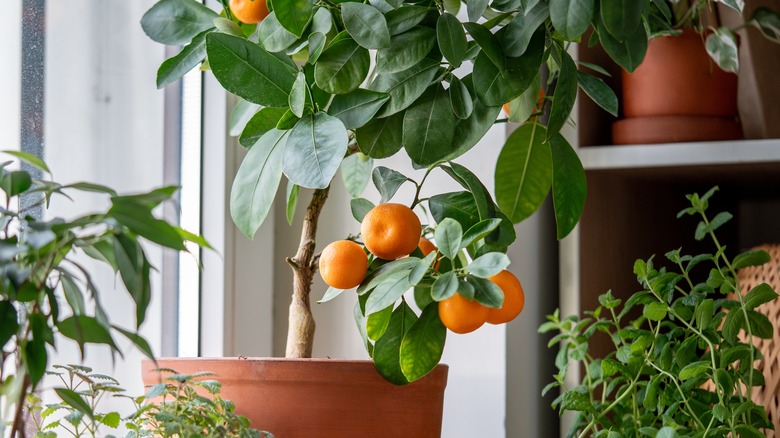
Citrus trees aren't easy to grow indoors if you want fruit. They require full sun for at least six hours a day — and up to 12 hours a day — for several months: six months in case of lemons and nearly a year for oranges. If you can't meet these requirements, the trees won't have enough energy to grow and ripen fruit. These conditions are difficult to provide indoors unless you set up grow lights. Plus, the flowers need to be hand-pollinated. You'll also need to run a humidifier during winter to counteract the dry indoor air.
Orchids
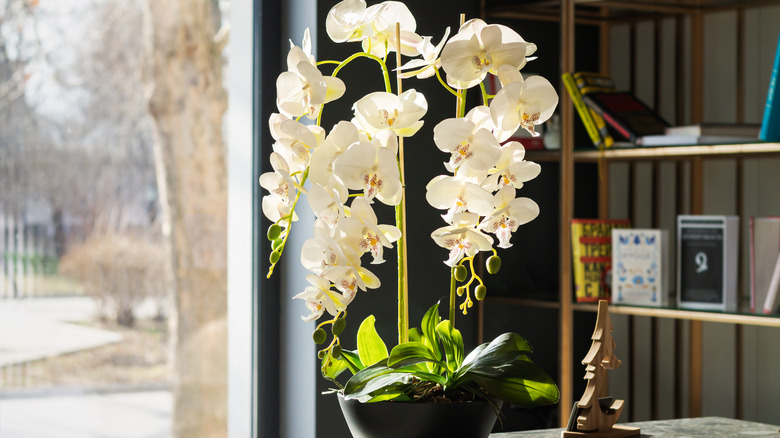
Orchids are gorgeous plants, but they require meticulous care. They prefer humid air, but it needs to be breezy enough to keep rot at bay. Indoors, you have to grow them in a terrarium or next to a humidifier and run a fan. They're also finicky around watering, with some species loving the stuff and others despising it. Watering needs also vary across seasons, plant size, species, and container type. Orchids also need diurnal temperature variations of about 15 degrees to bear flowers. If you still want to give them a go, start with moth and slipper orchids.
Gardenia
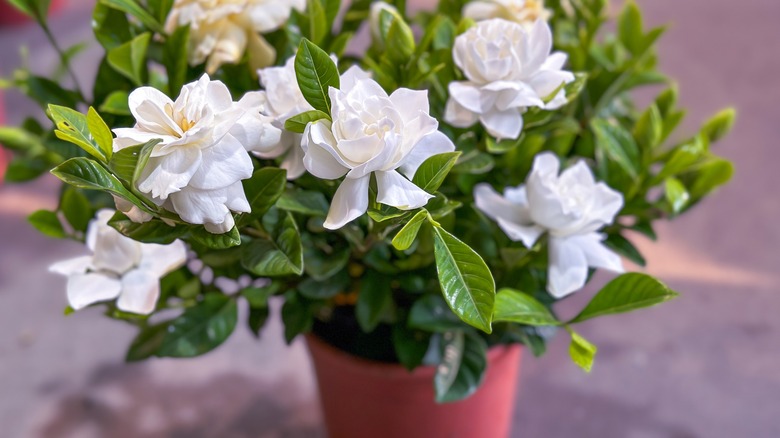
As much as we all would love to grow gardenias (Gardenia jasminoides) indoors for their fragrant blooms, the chances of them lasting the year inside your apartment or house are minimal at best. Gardenias like it on the cooler side, and not even the most dedicated plant parents would be willing to turn the temperature down inside during winter just to keep these plants happy. Watering them is complicated, too. Mess up their strict schedule once and you can say goodbye to any flowers. Repeat this mistake a couple more times, and you'll be tossing the entire plant out.
Rattle snake plant
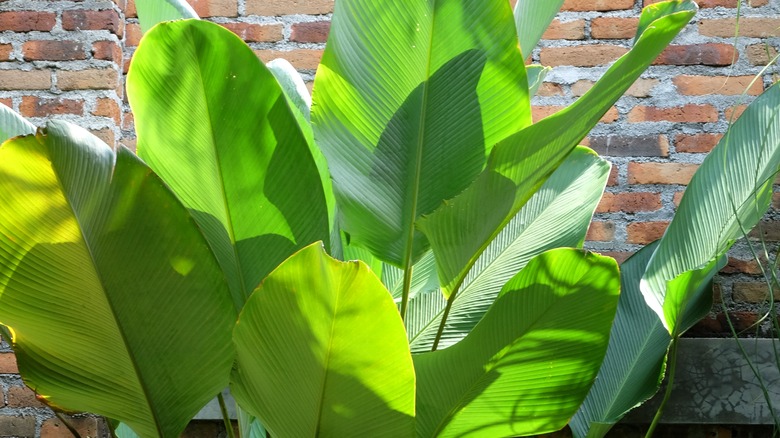
The rattle snake plant (Calathea crotalifera) — named for its leaf markings, which resemble the patterns on rattlesnake skin — is another species you should think twice about growing indoors. Rattle snake plants like high humidity levels, something that can be hard to emulate in a house without round-the-clock misting. They also don't handle temperature changes well; you'll need to keep the thermostat strictly set to between 65 to 75 degrees Fahrenheit at all times. Watering it can be tricky, too. Rattlesnake plants need consistently moist but not soggy soil, especially in winter, or they go limp.
Rose-painted calathea
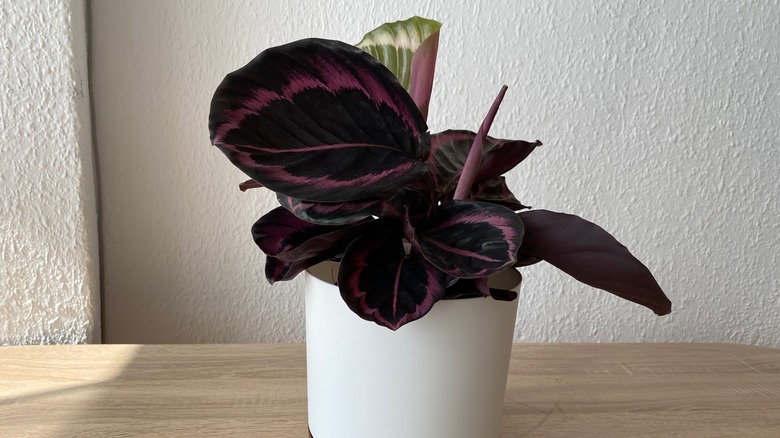
If you're accustomed to watering your houseplants under the kitchen faucet or shower head weekly, you couldn't make a worse choice with rose-painted calathea (Goeppertia roseopicta). It so dislikes fluoride that its leaves turn brown with exposure to it. You need to water this troublesome plant with pricey distilled water or harvest rainwater for it. Plus, if you're growing this calathea for its dramatic foliage, you'll need to run a humidifier all day. Figuring out where to put your potted plant can be challenging too. It needs bright yet indirect light to prevent leaf scorch and maintain color.
Maidenhair fern

Some ferns make the perfect houseplant, but the maidenhair fern (Adiantum spp.) isn't one of them. Like rose-painted calathea, it hates the fluoride in tap water and must be watered with purified water or rainwater. It also has little tolerance for dry air. If your home has low humidity, you can constantly mist your maidenhair fern — though that leaves the plant vulnerable to fungal diseases. Or you can run a humidifier all day. If you're still interested in bringing this undeniably pretty plant home, invest in a cloche or glass dome or keep it in your bathroom.
Staghorn fern
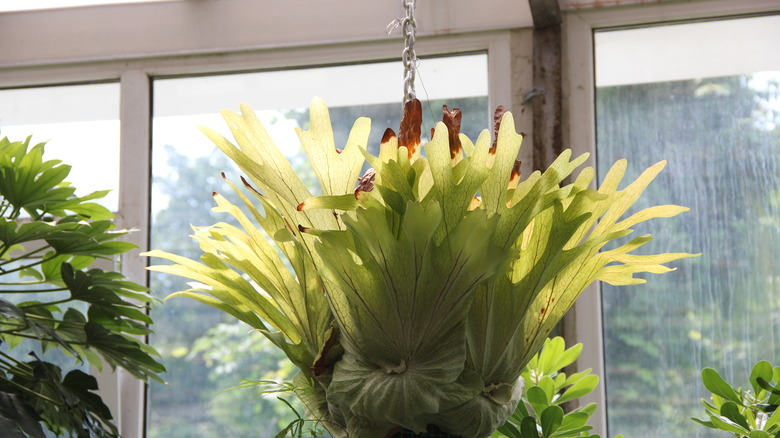
Growing staghorn fern (Platycerium bifurcatum) indoors isn't easy for most plant parents unless they have a greenhouse or a frequently used yet well-ventilated bathroom. These rainforest dwellers need high humidity. You can try misting them, especially in the summer, but like maidenhair ferns, it can make them susceptible to fungal diseases. Resist the urge to wipe their wide, flat fronds, too. They have white-gray scales that minimize water loss and can't be removed, even though they make the plant look dusty. Staghorn ferns perform when watered with rainwater, which not everyone has the patience to harvest.
Alocasia

It's easy to fall for the charms of an alocasia (Alocasia spp.). The patterned, arrow-shaped leaves are truly magnificent. Meeting the specific demands of this tropical plant can be challenging for even the savviest of indoor gardeners. Alocasias like it hot — at least 70 degrees Fahrenheit — and humid. Plus, they like to stay well-hydrated. Growing those dramatic leaves is resource-intensive, after all. The downside is that it's far too easy to overwater them, and they rarely forgive you for the act. Oh, and did we mention that they're a magnet for spider mites and poisonous to animals and humans?
Lavender

Novice gardeners should resist the temptation to grow lavender (Lavandula spp.) indoors. Odds are you won't get to enjoy the fragrant flowers. Lavender requires at least six hours of direct sunlight to bloom. Although putting the potted plant on a sunny windowsill could suffice, you run into other issues — namely that lavender doesn't like fluctuating temperatures. Your option then becomes setting up grow lights in a temperate spot away from vents. What a pain! It's also easy to overwater lavender, especially in winter when growth slows. If lavender lounges in soggy soil for too long, its roots will rot.
Rex begonias
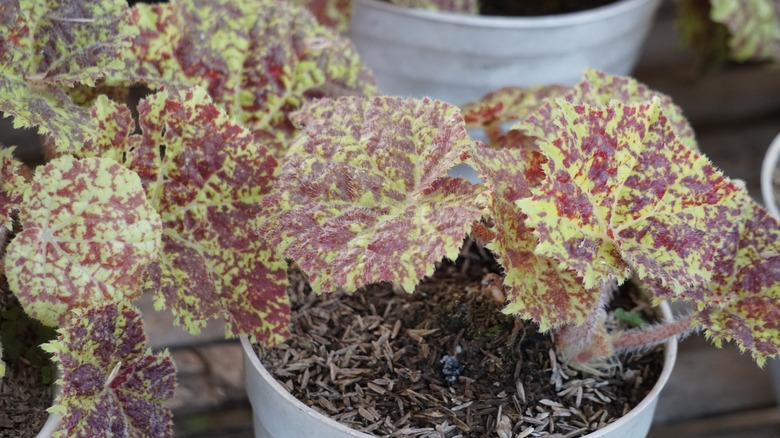
Rex begonias (Begonia rex-cultorum) have flamboyant foliage that's better enjoyed outdoors in Zones 7 to 12 or as an annual elsewhere. These hard-to-please divas like high humidity. Watering them lots to counter dry indoor air risks root rot and plant death. Oh, and they require soft, not hard, water. Worse, begonias need 14 hours of daylight to maintain growth, which is hard to provide inside. When their very specific needs go unmet, they express their displeasure by looking crispy and shabby before dropping all their leaves, which defeats the purpose of growing them in the first place.
Miniature roses
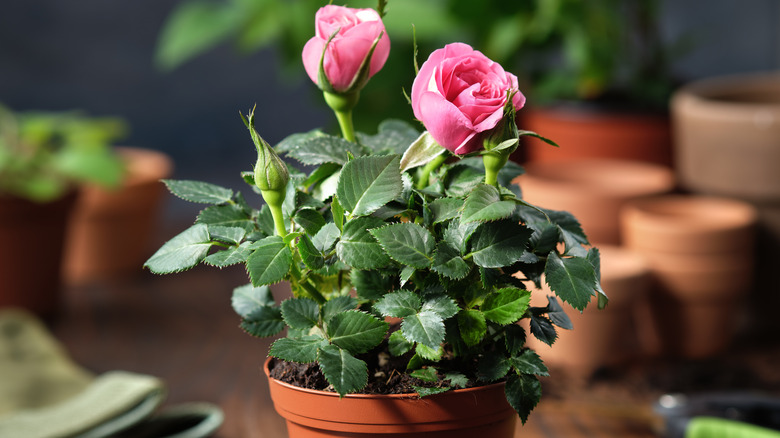
Did a potted miniature rose (Rosa spp.) find its way into your home this Mother's Day? Unless you're prepared to care for it like you would a toddler, don't expect its cheerful blooms to last. Roses need to go dormant to stay healthy, which is triggered by cold. Since the inside of our homes is generally dry and warm, the plants bloom continuously. Meanwhile, they're also likely harboring spider mites, a common rose pest, even indoors. Aside from all that, they need constant maintenance: They're either thirsty, hungry, sun-starved, or in need of deadheading and pruning.
Majesty palm
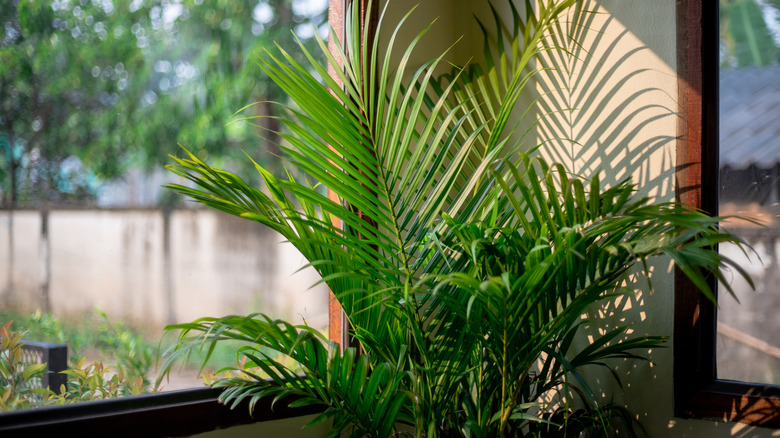
Despite claims of majesty palms (Ravenea rivularis) being easy-to-grow plants, they're anything but! In the wild, they're found near riverbeds, hinting at a proclivity for consistently moist soils and only the freshest water. Indoor gardeners attempting to recreate these conditions often end up overwatering their potted palms, especially if they're planted in dense soil. They also need year-round high humidity, good air circulation, and stable temperatures or their leaves turn crisp and brown. While majesty palms usually spring back if these issues are identified and corrected quickly, they're best avoided if you aren't prepared for high-maintenance requirements.
Florist's azalea
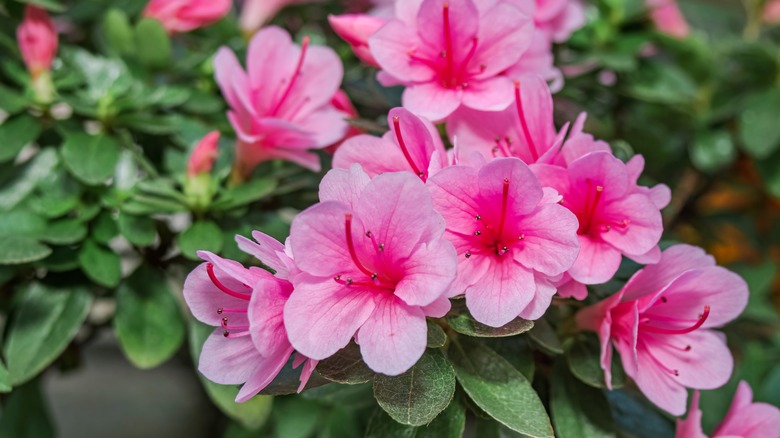
Trying to cultivate an indoor or florist's azalea (Rhododendron simsii) often results in disappointment. They boast some of the prettiest blooms in existence, but indoors, they can decline quickly, even if you meet their requirements. Potted florist's azaleas bought online or at a big box retailer are often root bound. The usual advice of watering twice a week won't stop them wilting because their cramped roots can't properly absorb moisture. Repot them, and place them in a cool spot — around 45 degrees Fahrenheit. If you can't manage that, you'll have to accept they'll be short-lived.
Chrysanthemums
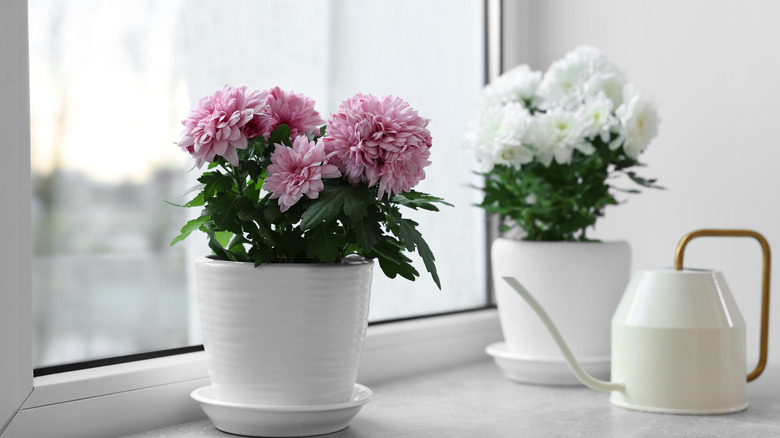
Potted chrysanthemums (Chrysanthemum spp.) don't make for long-lasting housemates. Get them home from the nursery, and they're only good for about another month of blooms. Good luck trying to get another flush of flowers. Chrysanthemums require copious amounts of sunlight to produce buds and flowers. Placing them in a sun-lit window is, unfortunately, not enough. They also hate being exposed to light at night — even street lights are a no-go — because it messes with their flowering cycle. Finally, chrysanthemums thrive in cool temperatures, and few indoor gardeners are willing to turn down their thermostat that low in winter.
Florist's cyclamen
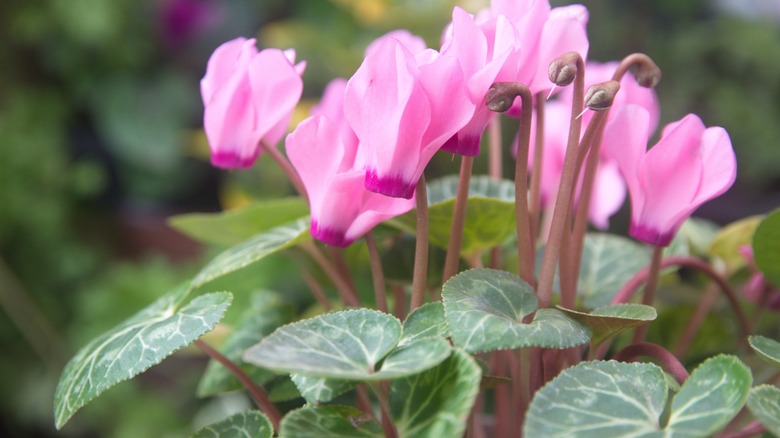
Like potted chrysanthemums, florist's cyclamen (Cyclamen persicum) is a poor choice for long-lasting flowers indoors. After their initial flush of blooms, the plants typically go dormant. If you want them to re-bloom, you need to first keep them in a cool, shady location to mimic natural outdoor seasonal changes. Then, later, you need to expose the plants to bright light after they leaf out to force bud production. Plus, florist's cyclamen needs diurnal temperature fluctuations of 10 to 15 degrees Fahrenheit to bloom. Achieving all of this is challenging for house dwellers, to say the least.
Venus flytrap

Despite munching on creepy crawlies, Venus flytraps (Dionaea muscipula) have nailed the art of looking cute and convincing people to take them home. Unfortunately, they're one of the hardest plants to grow indoors. Venus flytraps need light, live insects, and wet — though not waterlogged — soil to survive. In winter, you'll have to run LED lights for up to 16 hours a day — or let them go dormant and die back. Unless you have lots of tiny bugs flying around indoors, you'll need to supplement their diet with live mealworms or crickets. Simulate a marsh by bottom-watering the plant.
Japanese maples
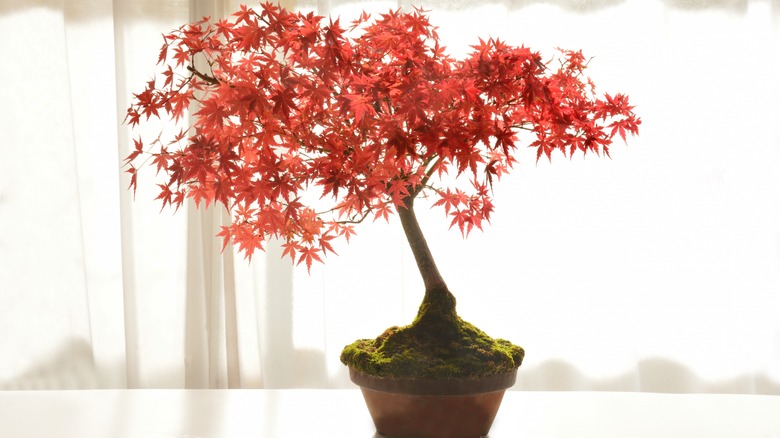
Japanese maples (Acer palmatum) can grow in pots, but they shouldn't really be kept indoors unless you live in a chilly, steamy home. They're deciduous trees and require seasonal fluctuations for dormancy. Fulfilling this need is likely impractical unless you move them into an unheated garage. The alternative means keeping them in a warm spot and forcing them to grow year-round. This can negatively impact their health. Considering trying your hand at the Japanese art of bonsai? Turns out they're not the easiest bonsai tree for beginners, either.
Spruce
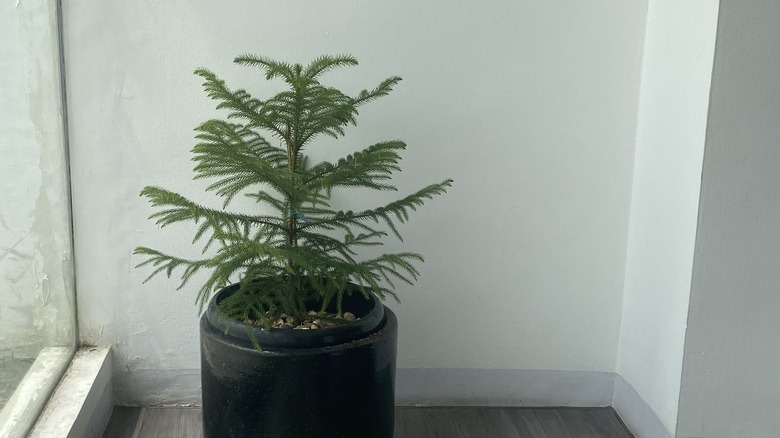
Homeowners often purchase potted spruce (Picea spp.) as living Christmas trees. They might not realize that they aren't ideal houseplants. For one, they're exceedingly tall trees, with some species, like the Colorado spruce, reaching 135 feet when mature. You could, of course, choose a dwarf cultivar, though even those get large — for example, the bird's nest spruce grows to 3 feet. Any tree you buy from a big box retailer or nursery will already be feeling stressed after shipping or repotting. They're resilient enough to survive indoors during the holiday season, but eventually, they'll become root bound.
Succulents

You might be surprised to see succulents in this list. They're so easy to care for, right? They tolerate temperature fluctuations and don't mind dry air — unless it's bone dry air, which will wrinkle the leaves. Where succulents struggle, however, is with the lack of light. Most succulents need a spot that sees bright sunlight for over 10 hours. In winter, the sun sets around 4 p.m. in some parts of the U.S., so you'd need to counteract the lack of sunlight with full-spectrum grow lights. Plus, most indoor gardeners underestimate just how little water succulents need.
Rosemary
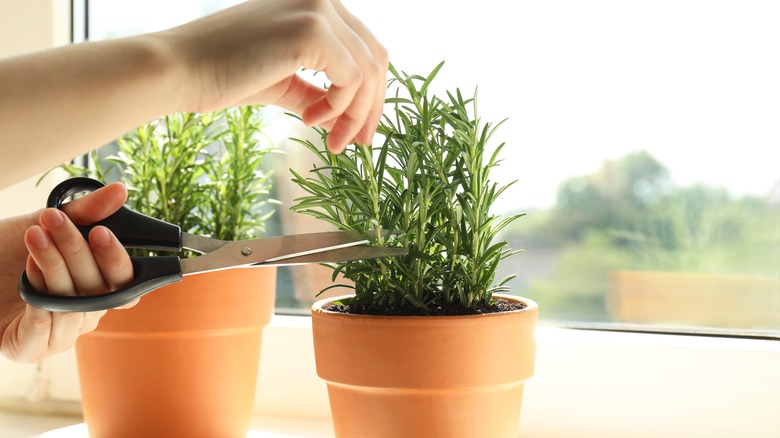
Rosemary (Rosemarinus officinalis) is another plant you may struggle to grow indoors. It hails from the Mediterranean, so you might think it thrives in the heat. In fact, it prefers somewhere cool away from warm drafts. That's hard to come by in most homes. Rosemary does, however, love lots of sunshine. It's something else that might be hard to provide, depending on your home's orientation or layout. Many store-bought potting mixes don't work for rosemary — they hold too much water. Rosemary is very sensitive to both drying out, indicated by browning leaves, and root rot, making watering a challenge.
Bigleaf hydrangea
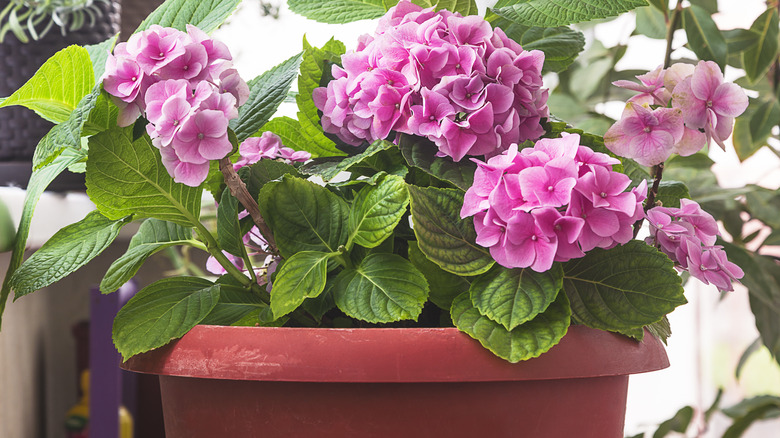
If you're looking to brighten a corner of your home with the gorgeous pink or blue blooms of a potted bigleaf hydrangea (Hydrangea macrophylla), by all means, give it a go. But don't expect the plant to become a permanent resident after blooming wraps up. Bigleaf hydrangeas set their buds on old wood, which dies back in winter. You can try pruning the dead stems and repotting the plant, but it's a complicated process and rarely successful. If you live in USDA Growing Zones 5 to 9, put your hydrangea outside when the chance of frost has passed.
Poinsettia
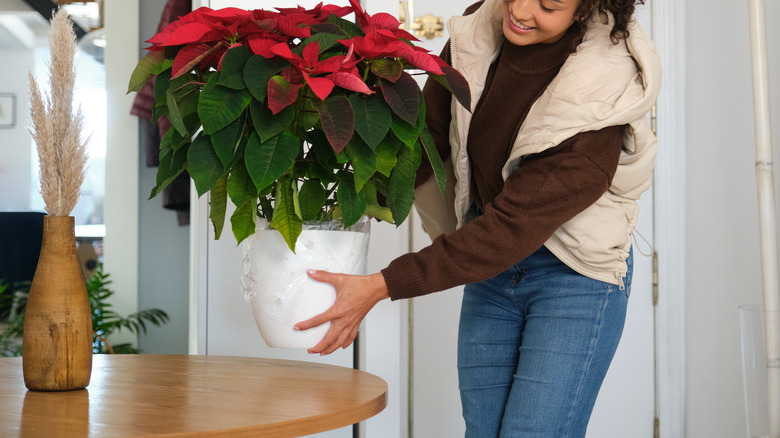
Potted poinsettias (Euphorbia pulcherrima) are a Christmas staple. It's a shame they rarely last past the holiday season. They go from a greenhouse, where they enjoyed late spring temperatures and humid air, into cold stores and artificially heated homes, leaving them stressed. Once indoors, the natural light isn't intense enough, even if they're in your sunniest window. Low humidity is the final nail in this pretty plant's coffin — it starts to drop its leaves. Even if you manage to salvage the plant, encouraging it to rebloom next Christmas is a complicated process that most indoor gardeners won't enjoy.
Croton
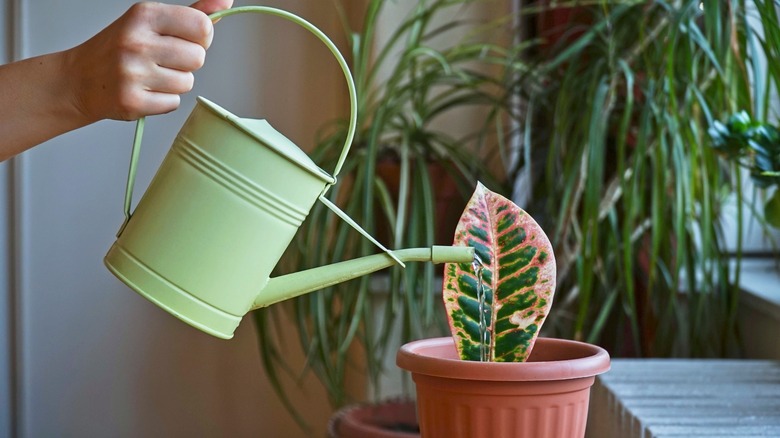
Before you decide to cultivate a croton (Codiaeum variegatum) indoors, stop and think. Can you really match the level of warmth it receives in the tropical climes it hails from in your home? Crotons thrive in temperatures between 70 and 85 degrees Fahrenheit. You can't even put them in front of a heating vent, since drafts of all kinds will damage the plant. You can increase relative humidity by sitting them on a pebble tray, but they also require daily misting. Without consistent bright light, their leaf color and variegation fades, which defeats the purpose of growing them.
Coffee plant
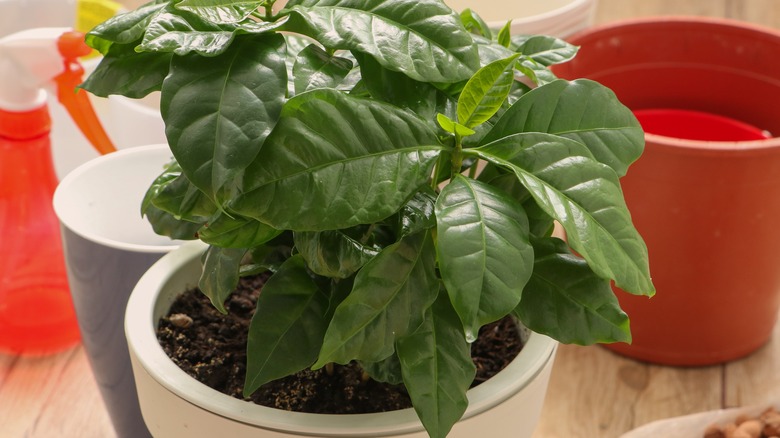
Coffee plants (Coffea arabica) make decent houseplants if you're happy to simply admire their shiny green leaves. It's unlikely an indoor plant will grow beans for your morning brew. Coffee plants need lots of sunlight and humidity, which is difficult to recreate indoors — especially in cold climates — without grow lights and a humidifier. They like their soil moist yet well-draining, so it's easy to overwater a coffee plant. You also need to hand pollinate the flowers and prune them regularly to keep them a manageable size, which seems like a lot of work for little reward.
Ivy
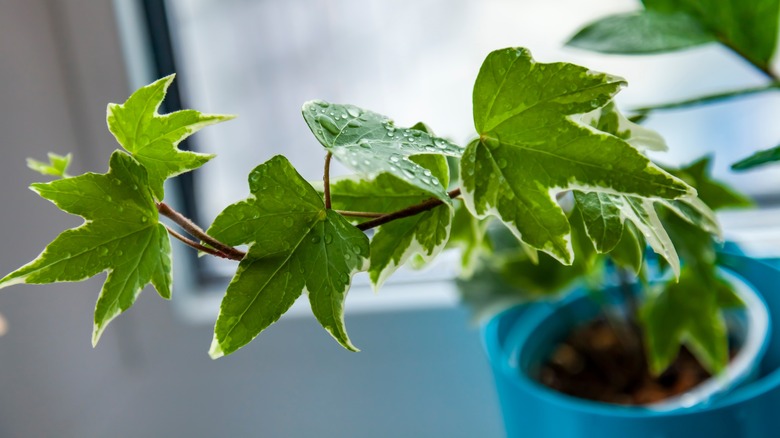
You might think a plant notorious for spreading aggressively in gardens would survive easily indoors. Yet English ivy (Hedera helix) seems to lose all will to live once it's indoors. Direct sunlight will burn the vine's leaves. Move it somewhere shadier and it loses its variegation. English ivy doesn't tolerate dry soils, but it suffers even more if the soil is too soggy. Good air circulation is vital to its survival, but it doesn't welcome drafts. Additionally, the vine needs nighttime temperatures about 5 to 10 degrees Fahrenheit lower than the day, and that's something most homes can't accommodate.
Money tree
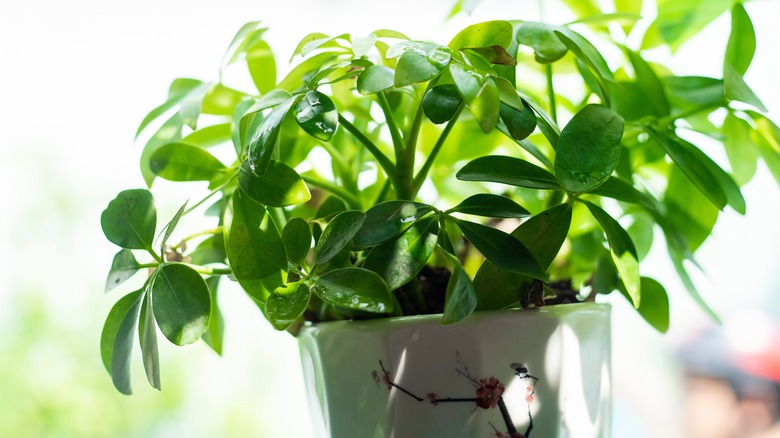
Money trees (Pachira aquatica), also known as Guiana chestnuts, aren't beginner-friendly houseplants. In the wild, they grow in wetlands, where they experience wet and dry cycles. Mimicking this can make watering a challenge. Winter — a season with limited light and dry air — is tough on money trees. They slow their growth, and it's easy to overwater them. Plus, the leaves get crispy in low humidity and may drop off if temperatures fluctuate or drafts blow the plant around. Indoors, money trees often fall prey to scale insects, which can quickly decimate the plant if left unchecked.
Geo
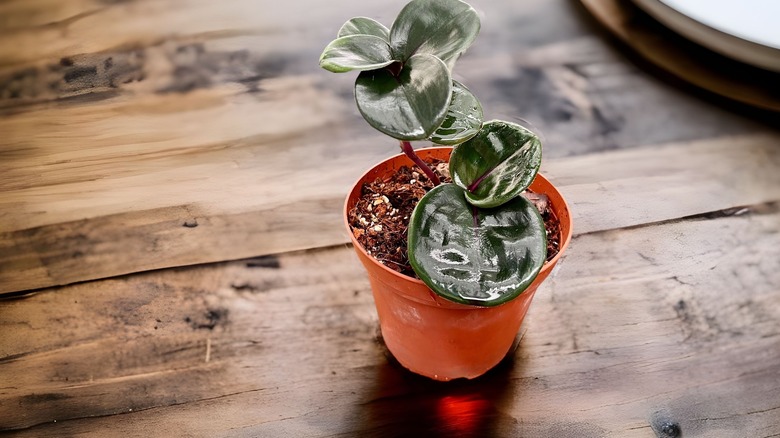
Geos (Geogenanthus ciliatus) have become popular because of their lustrous, purple-black leaves. However, they aren't easy to please. After all, they come from the rainforest and need similar conditions to thrive. Geos require bright indirect light — direct light turns the leaves crispy. Plus, their watering requirements change throughout the year, and the schedule is challenging to master. You try to play it smart and err on the side of under-watering, and the plant wilts melodramatically or even dies. Geos also need humidity levels above 80%, which can't be maintained in most homes.