

The Downspout Mistake You Don't Want To Make In The Winter
We may receive a commission on purchases made from links.
When you think of preparing your property for winter, putting away garden hoses and patio furniture might be some tasks that come to mind. Depending on where you live, it might also be necessary to winterize faucets and turn off water completely. One area where people might make a mistake is with their gutter systems. Specifically, removing downspouts for the winter months. Removing downspouts in winter can be a mistake that leads to damage and costly repairs to the entire system.
To understand why removing a downspout can do more harm than good, it's important to learn more about their functions overall. Gutter systems are the main element you'll see wrapped around buildings that collect rainwater and help to direct it away from the structure. Gutters are the horizontal pieces that sit close to the roof, while downspouts are the vertical tubes that run down buildings and stick out just above the ground. There are major downsides to not using a downspout and extension with gutter systems, including serious foundation damage.
Removing your downspouts for winter can cause damage
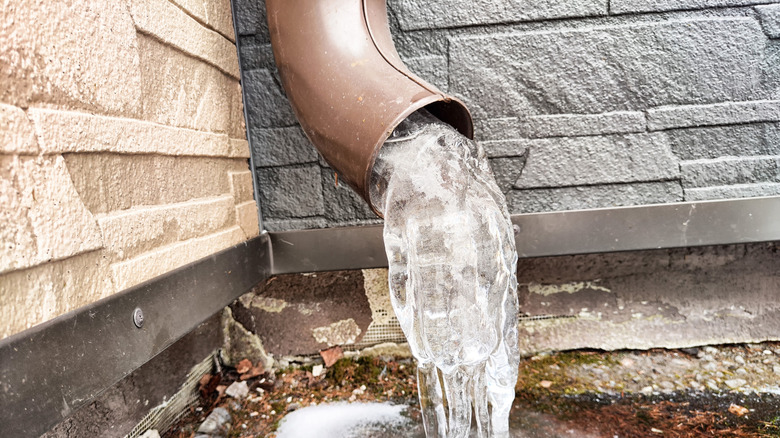
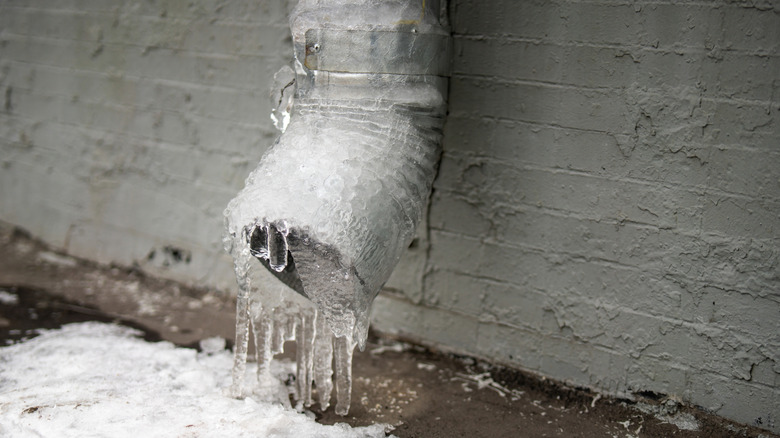
Even with understanding that a downspout's main function is to drain water away from a structure, it can be difficult to visualize exactly why these materials should be left in place during winter. So, what exactly would happen if you removed your downspout at the end of autumn? First, if exposed to rain or snow and extremely cold temperatures, the gutters are at risk of freezing. This may not seem like an issue on the surface, but when water has no downspout and sits in the pipe to freeze and expand, it can cause cracks in the gutter materials. If the weight of the ice is too heavy for the gutters, they can start to sag or cause exterior damage to your home.
In addition to gutter damage, removing downspouts puts other areas of your home at risk as well. First, your roof and interior ceilings can become damaged when frozen water starts to melt and overflow under shingles. Any type of excess water can damage housing materials, but when it enters through the roof, it can travel through to the ceilings and even walls, leaving behind brown staining as a sign of the damage. Excess water can also lead to a problem with your home's foundation, such as cracks and water leaking into your basement.
Ways to winterize your gutters and downspouts
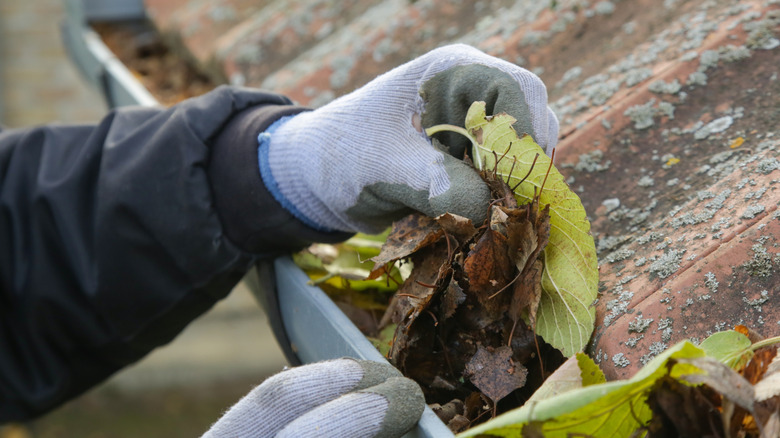
Instead of making the mistake of removing downspouts for winter, the key to helping them remain functional lies in regular maintenance. This means pulling out the ladder and climbing up to inspect the gutters for any signs of damage. Common signs of damage include holes and leaks in the gutter, as well as the gutter sagging away from the roofline. You'll also need to clean out any built-up leaves or debris that could prevent water from flowing through. There's also the option to reach out for professional gutter cleaning services for those who don't feel comfortable working at heights or prefer leaving the work to an expert.
Following some tips to keep your gutters from freezing this winter is another method of staying ahead of potential weather damage. For example, those who live in an area with extreme freezing temperatures might consider adding some sort of heating element to the gutters. Some common options include using heat tape, like the TopDure Heat Tape for Water Pipes, Roof, and Gutters, along the gutters to prevent freezing or using heating cables in the gutters themselves.