

12 Laundry Tips That Will Extend The Life Of Your Wool Clothes

Wool clothing is an investment. From soft merino sweaters to structured coats, these pieces are designed to last, but only if you care for them properly. Gentle fabrics like wool can lose their shape and texture when they're washed too harshly or exposed to high heat. But keeping your wool garments looking fresh and feeling soft isn't as complicated as you might think. With a few mindful laundry habits, you can protect your wool's fibers, prevent shrinking, and maintain natural softness to ensure your favorite pieces continue to look as good as the day you bought them.
Caring for these items starts with understanding how wool tolerates water and how it dries. Small adjustments, like choosing the right wash cycle, avoiding high temperatures, or letting garments air out between wears can make a big difference in extending the life of your clothing. Follow these practical laundry tips to help your wool clothes stay soft and shaped so that they can remain wardrobe staples season after season.
Separate laundry items from your wool clothing
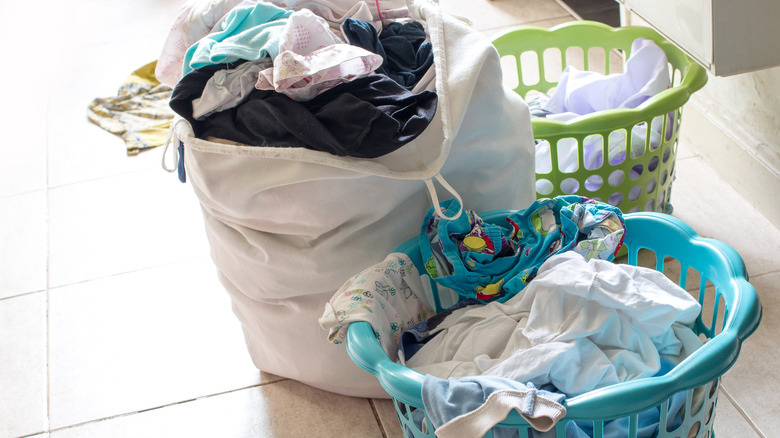
Before you wash any of your wool garments, it's important to sort your laundry carefully and give these pieces their own load. One of the common mistakes people make when sorting laundry is doing it by color only, and not care requirements as well. Wool fibers can easily catch lint and fuzz from other laundry items. This can leave your wool clothing looking dull or speckled with debris that is difficult to remove. Before you load your washer, check each wool item's care label, then only gather the pieces made from similar fibers, such as wool socks, sweaters, pants, mittens, scarves, beanies, and gloves together. Avoid adding towels or anything that could shed fibers into your load. If you're short on items and don't have a full wool load, consider handwashing them rather than mixing everything in one cycle.
Taking the time to separate your wool laundry will slow down wear and tear. When wool rubs against other fabrics or lint-heavy materials, it can lead to pilling. Separating loads also prevents too much friction, which helps your wool garments keep their texture and structure for longer.
Wash your wool clothes in cold water
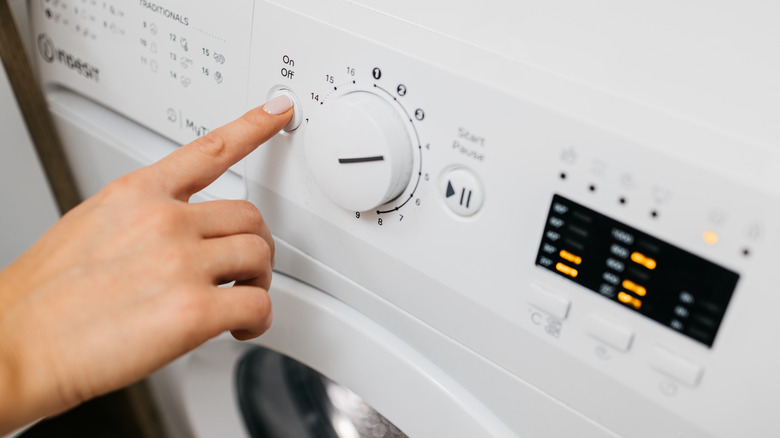
Wool responds best to cool water, which helps to preserve its natural softness and structure. Before starting any washing cycle, ensure that your machine is set to cold, not warm, eco-warm, and definitely not hot. High temperatures can cause the fine wool fibers to become rough or even shrink. Washing your woolen items in cold water keeps the fibers relaxed and prevents them from tightening or warping. Cold water is the right way to wash your wool sweaters, socks, or scarves to keep their original size and feel.
When you wash your wool with cold water, it stays smoother and softer over time, especially because the fabric is prone to misshaping. The only thing that may become a bit of a problem is that cold cycles sometimes struggle to lift heavy stains. But pre-treating any problem spots before you wash your wool items can help ensure you remove stains effectively.
Choose a wool-safe detergent

When you're caring for your garments, choosing the best laundry detergent for wool is just as important as washing it at the right temperature. Wool should always be cleaned with a mild, pH-neutral formula that's designed for the delicate fibers of the fabric. Highly rated options include Heritage Park Silk & Wool fragrance-free, hypoallergenic detergent, which is an eco-friendly, pH-neutral choice. There's also Perwoll for Wool & Delicates, which works well for both machine and hand washing. Before starting your wash, make sure a machine's automatic detergent and fabric dispensers are turned off so you don't accidentally add harsh chemicals to your load, which can damage the fibers of your wool clothes.
Using a wool-safe detergent extends the life of your clothes because it protects the fiber structure instead of weakening it over time. A gentle detergent also helps ensure your wool clothes stay soft and reduces pilling. Only use the recommended amount of wool cleaner, as using too much laundry detergent can cause more problems than you think. It may also leave residue on the wool and weigh down the fabric. Some specialty detergents are slightly more expensive, but your investment will pay off when your wool clothing lasts longer and stays comfortable.
Wash your wool items in mesh laundry bags
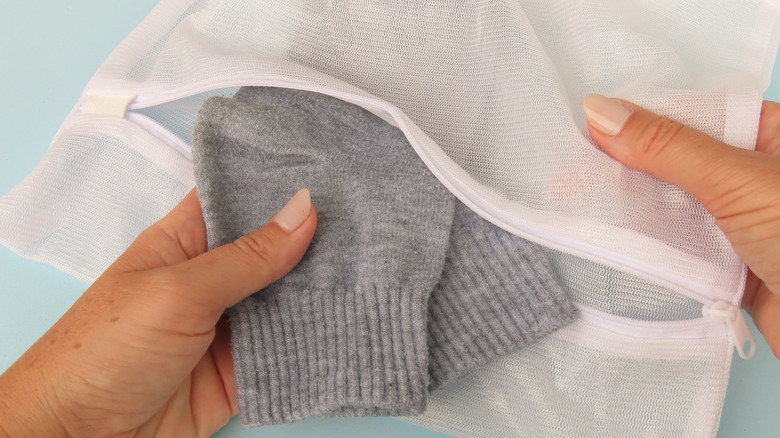
Placing your woolen garments in mesh laundry bags is a quick and easy way to protect them when they're being washed in your machine. Before placing the items in your washer, tuck each wool item into its own delicates bag, ensuring it has enough room to move without bunching. These breathable pouches form a barrier that prevents woolen items from rubbing against one another or snagging. They also stop straps, sleeves, and loose-knit areas from stretching during your wash cycle. For even better protection, turn your wool garments inside out before bagging them.
Mesh bags extend the life of wool clothing by reducing friction, which can cause pilling and misshaping. These laundry bags also keep smaller wool items, like gloves or socks, from disappearing in the wash. Be careful not to overstuff each bag, as this can limit the effectiveness of your wash cycle. Instead, keep loads light and give each item space to circulate.
Select a wool or gentle cycle on your washing machine
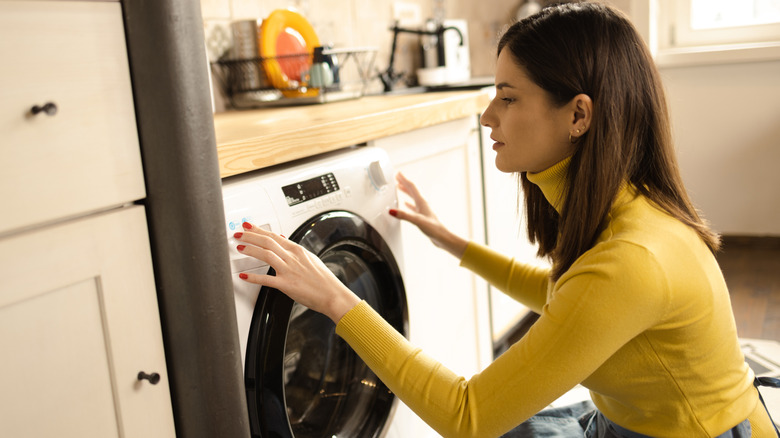
Heavy-duty or even standard washing machine cycles can create agitation that can damage your wool clothing. Rather, choose your washer's wool cycle if it has one, or select the gentle or delicates setting. These programs use slower drum movements and shorter agitation periods, which are much more gentle on wool. After the wash, avoid wringing out your garments, as wool is even more delicate when it's wet. Lay your items flat on a clean towel, roll them up like a sleeping bag, and press lightly to absorb moisture. Some garments, like those made from merino wool, can withstand a low spin cycle, but keep it short and avoid high-speed spinning, which can twist and stretch the fabric.
Using the right wash cycle can extend your wool garment's lifespan by reducing the physical stress that leads to stretching. A gentle cycle also prevents hems, collars, and cuffs from misshaping. Remove your wool items from the washer as soon as the cycle ends, as leaving them in the drum can create creases and wrinkles that can be tricky to get rid of.
Hand-wash delicate wool items
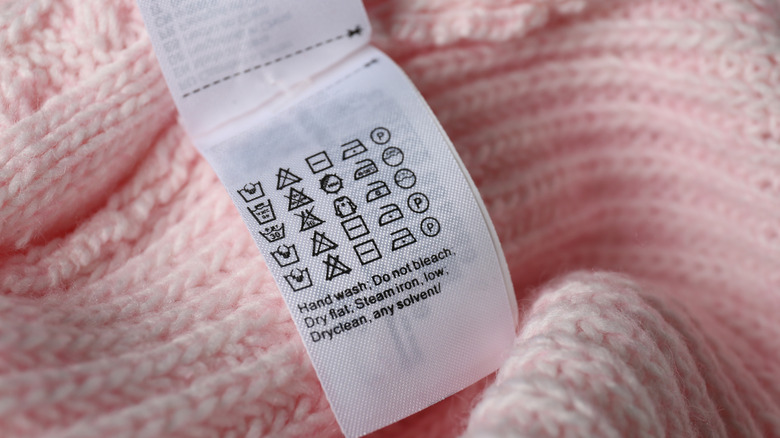
Before washing any woolen clothing, it's best to always check the garment's care label. Some pieces, especially those made from loosely knit or delicate materials, are marked "hand wash only." Hand-washing is the most gentle cleaning method because it prevents the agitation and friction that happens in your washing machine, even on a wool cycle. It's also a laundry hack that will leave your clothes smelling fresh. To wash wool clothing by hand, fill a sink or basin with cool water and a few drops of wool-safe detergent. Swish the water to ensure the detergent disperses fully, then submerge your garment and let it soak for about 30 minutes. Gently massage the fabric to loosen dirt, but avoid scrubbing it.
Once you're done, rinse the wool item under cool water until the water runs clear. When you're lifting the clothing from the sink, ensure you support it with both hands or forearms to prevent the weight of the water from stretching the fibers. Finally, press out any excess moisture and avoid wringing the item at all costs. While handwashing may take a little longer than simply tossing your clothes into your washing machine, it significantly preserves the garment's shape, texture, and softness.
Lay your wool garments flat to dry
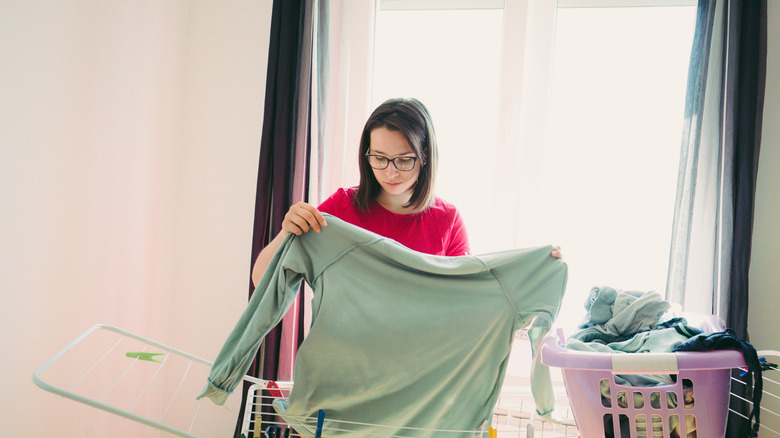
When you're finished washing your wool, it will hold a lot of water, which makes it much heavier and more prone to stretching. That's why drying wool items flat is essential. Instead of hanging wool items on a clothesline or hanger, lay them flat on a clean, dry towel or across a drying rack in a well-ventilated room. Spread the garment out gently, smoothing out and reshaping the fabric. This prevents the weight of the water from pulling on the fibers. Avoid placing wool garments in your dryer, as even low or air-only settings can generate enough heat to shrink wool by up to two sizes.
Flat drying preserves your wool clothing because it helps to retain its original shape and prevents the delicate fibers from becoming misshapen. Flattening your wool garments also means they'll dry evenly and naturally, which maintains the fabric's texture. To dry your wool clothing faster, you can lay a towel on top of the garment and press gently to absorb extra moisture. While drying wool flat does take longer than hanging or tumble-drying, it ensures that your wool stays soft and structured for much longer.
Treat stains as soon as they happen
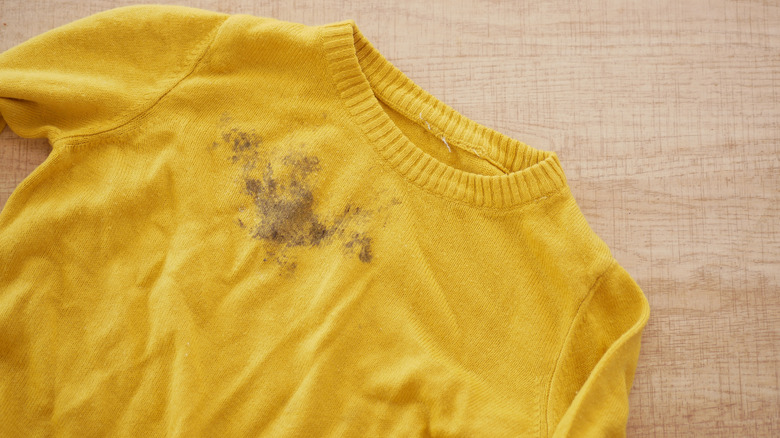
Even though wool is naturally stain-resistant, stains can still become a problem if you don't treat them, and the key is to do so quickly. For everyday stains like coffee, wine, ink, or grease, use a wool-safe stain remover such as the Cadie Laundry Stain Remover Stick. Alternatively, you can create a gentle DIY stain remover by mixing equal parts white vinegar and water in a spray bottle. These are natural ingredients you should be adding to your next load of laundry. Apply your DIY cleaner directly to the stained area and gently blot it with a clean cloth, avoiding rubbing. Allow the stain remover to sit for five to 10 minutes before washing your wool in your machine or by hand, so that it has enough time to lift the stain.
Tackling stains right away helps preserve your wool's natural fibers and appearance. Wool is delicate, so repeated scrubbing to remove stains may weaken the material or cause pilling. By pre-treating stains, you won't need a harsh washing cycle, which can stress the garment. Before applying it to stains, test the remover you've chosen on a small, inconspicuous area of the garment to ensure it won't affect its texture or color.
Don't wash wool clothing too often
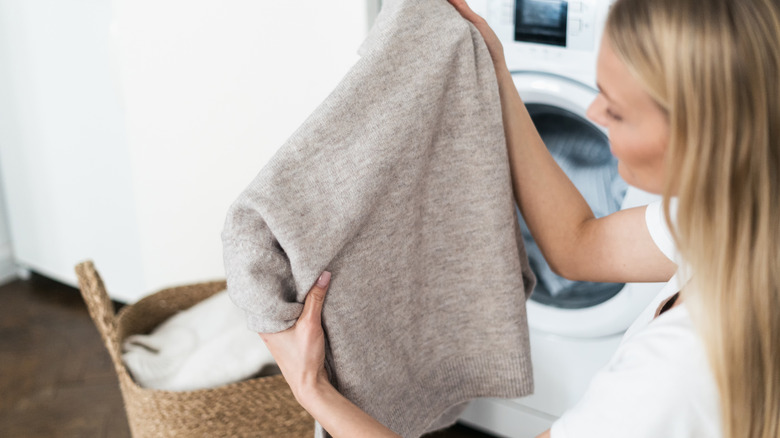
You don't need to wash your woolen garments every time you wear them, as they naturally absorb odors and perspiration. Instead of washing them after every wear, give your wool clothing time to air out between uses. After wearing a woolen sweater, for example, lay it flat in a well-ventilated area away from direct sunlight or heat. This allows any moisture or odors that have been absorbed by the material to dissipate. It also helps the fibers return to their natural shape. For particularly delicate or frequently worn pieces, wear a washable layer underneath them, like a T-shirt, to reduce the buildup of body oils and odors in the wool.
Limiting how often you wash your wool protects the fibers from unnecessary stress caused by water and agitation, which can lead to shrinking or pilling. Some experts say you can wear items like wool jumpers three to five times before you need to wash them. Others say you only need to wash wool items when they start to smell.
Steam your wool rather than ironing the fabric

Even if you wash your wool clothing carefully and lay it out flat to dry, it can still get wrinkled. The safest way to remove wrinkles is by using a steamer. Hold the seamer a few inches away from the fabric and gently pass the steam over the wrinkled areas, which allows the heat and moisture to relax the fibers naturally. Never iron wool directly, as high heat and direct pressure can crush the delicate fibers, leaving permanent marks on your garment.
Steaming helps your wool clothing last longer because it maintains the integrity of the fibers while smoothing out creases. Unlike ironing, which can flatten the wool, steaming keeps the natural loft and softness intact. Always test steam on a small area of your wool item first to make sure it won't damage the fabric. Steaming your wool garments may take a little more effort than ironing them, but it prevents irreparable damage and keeps them looking well-maintained for years.
Pack your woolen laundry away carefully
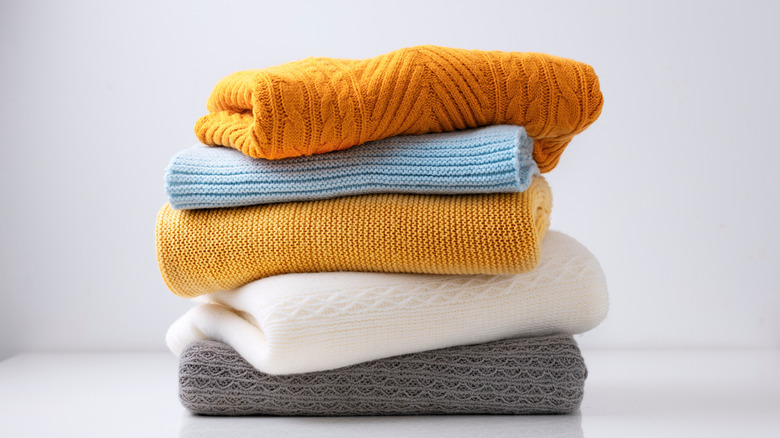
After washing, drying, and steaming your woolen clothing items, storing them properly is the final step in having them last longer and prevent pilling. Fold sweaters, jumpers, and coats neatly to prevent stretching or creasing. For jackets, suits, or structured wool pieces, use sturdy hangers that support their shape or store them in breathable garment bags to protect against dust and friction. Use zipper bags made from breathable fabric for seasonal storage, as these allow airflow while keeping the wool clean. Avoid overcrowding drawers or closets, as tightly packed items can result in wrinkles.
When you fold your items the right way and hang them correctly, you reduce tension on fibers, which can weaken the wool over time. Using storage bags also prevents moisture from building up and damage that could be caused by insects. Although you'll need more space than simply tossing clothes into a drawer, it does mean your wool clothing will remain smooth and ready to wear.
What to avoid when caring for your wool clothing
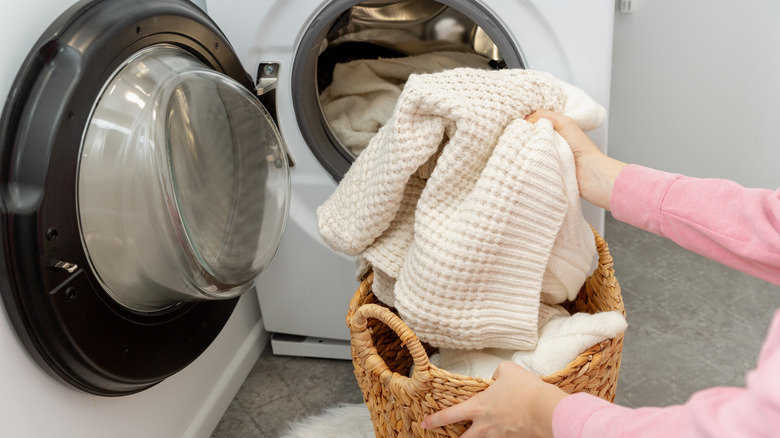
When it comes to wool clothing, knowing what not to do is just as vital as following proper care steps. For example, regular laundry detergents often contain chemicals and salts that are too harsh for wool and can weaken fibers and cause pilling. Detergents with a pH above eight are especially harsh and should be avoided, along with chemicals such as borax, washing soda, or ammonia. These substances can strip the wool and leave it brittle.
Drying wool in direct sunlight is another common mistake. While sunlight may seem like a natural way to freshen up wool garments, it can damage fibers, fade colors, and make fabrics feel dry. The natural sheen of wool may also be lost with repeated sun exposure. For structured wool pieces like blazers, coats, and suits, home washing is usually not recommended. The lining and padding in these garments are susceptible to shrinking or warping, which is why dry cleaning is typically the safest option for them.