

Know Your Rights When Your Apartment Building Is Under Construction
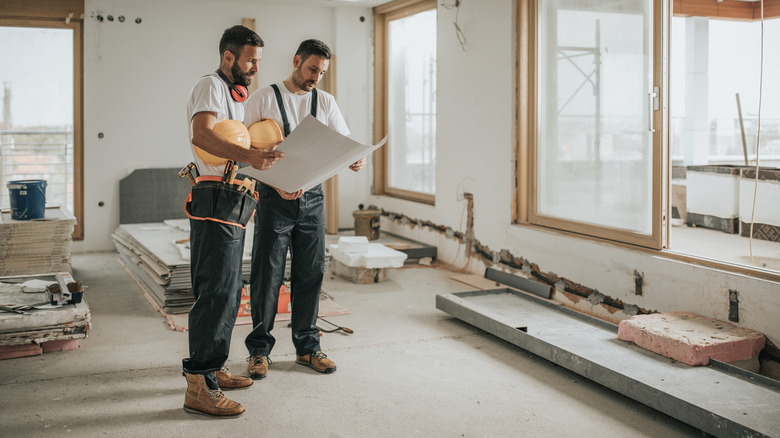
When you rent an apartment, you're entitled to the "quiet enjoyment" of your property. This means you should be able to access your unit and carry on the normal activities of daily living without a lot of outside interference. Of course, landlords have the right to upgrade or repair the property. Depending on the type of repairs, they may be obligated to perform the construction. However, you may be entitled to break your lease or receive compensation if the construction significantly interferes with your ability to live in and enjoy your home.
Your lease is always the first place you should look to understand your rights. Most leases include clauses that outline procedures for making necessary repairs. But even if your lease doesn't state it outright, there is an implied warranty of habitability, which is your assurance that as long as you're living in the rental property, it will meet basic standards for living and safety. So if your landlord has to cut off your heating during the winter for an extended period of time to perform construction, they may be violating this warranty.
Laws vary by state, but in many cases, your landlord can't simply order you to move out or perform construction that prevents you from fully using and enjoying your apartment without compensation. This type of construction may include sustained loud noises that prevent you from working or relaxing, blocking access to one or more areas of your apartment, or interrupting necessary utilities.
You may be entitled to compensation during construction
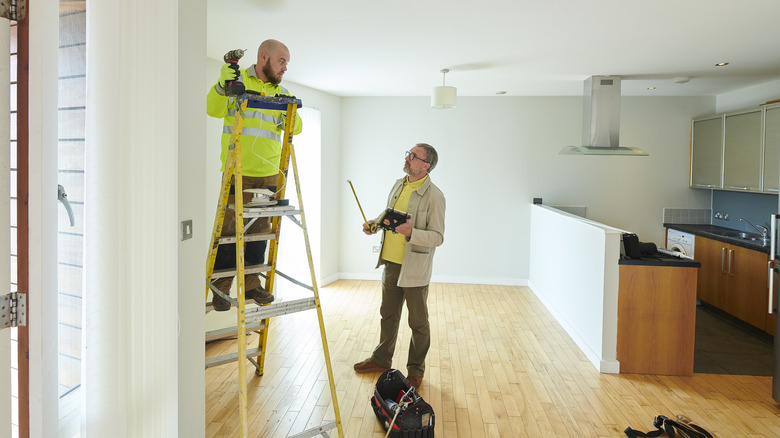
If you feel like your rights have been violated due to a construction project, the first thing you should do is document the issue and contact your landlord or property manager. You can do this by taking pictures of any work that's blocking your access or videos of noisy construction. Ask how long the construction will be going on and what they plan to do to address the issue. If the landlord won't or can't restore your access or quiet enjoyment of your apartment, you may be entitled to break your lease or receive compensation. However, don't go on a rent strike until you consult with an attorney.
The type of compensation will depend on your particular circumstances, such as how much of your apartment is unusable and what state you live in. You may be eligible for a rent reduction proportional to the amount of space you're unable to use. If you need to move out during the construction, your landlord may be required to pay for your relocation expenses, including the costs of moving your belongings and any necessary hotel stays. If you have an approved business in your home or you work from home, you may also be entitled to damages for any financial losses you have during construction. All situations are different, so make sure you understand the facts and myths about renting to protect your rights.