

8 Plants That Can Benefit From A Sprinkle Of Cinnamon
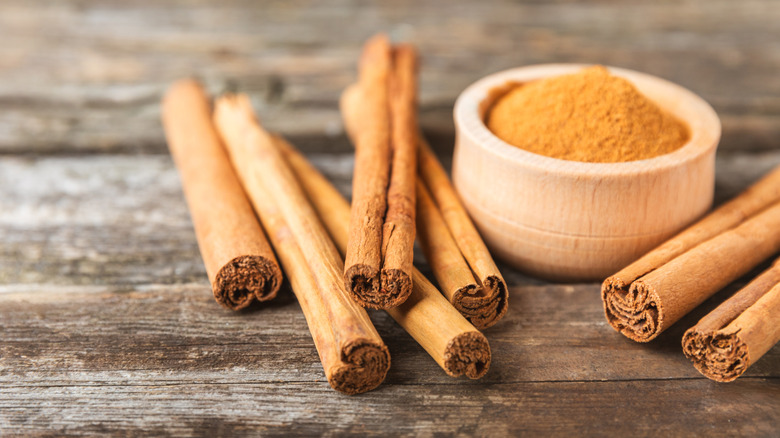
Cinnamon has been proven time and time again to be a valuable resource in the garden. The spice has been studied extensively for the benefits it can provide for not only human health, but plant health as well. Research shows that cinnamon can work as an anti-fungal, pest deterrent, and a growth stimulant. In some cases, it can also be applied to damaged areas after a storm or when doing heavy pruning to help with the healing process. This means that there are countless applications for cinnamon for a variety of plants, including mixing it into soil for root health, mixing it into a paste and applying it to the stems, or adding a sprinkle to prevent fungus or mildew. However, there are plus sides and downsides of using cinnamon in the garden, and not all plants tolerate it.
When you are aware of the right plants to use it on, a sprinkle of cinnamon can help your garden thrive. Since it can cause damage to some plants, this spice works best when used to address specific issues on certain plants. For example, it is particularly effective as a pest control method for plants that are susceptible to moths, aphids, mites, and mosquitoes, like potatoes and peaches. You can also apply it to seedlings that commonly encounter growth challenges, like roses. Cinnamon is commonly used on houseplants like African violets to prevent mold and fungal growth. Plus, you can apply it to flowering plants like daisies and pot marigolds to prevent rust.
African Violets
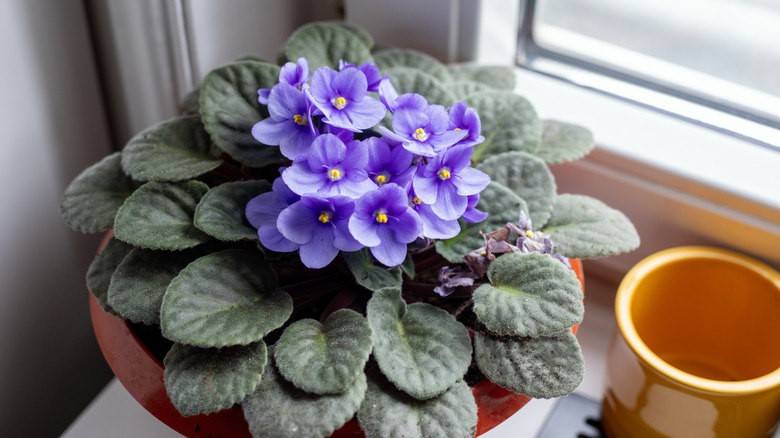
It is common to use cinnamon in houseplants to deter pests and prevent fungus and powdery mildew. Such is the case with African Violets (Streptocarpus ionanthus), which are commonly plagued by these very issues. They are considered easy to care for, in general, but when they do fall victim to problems like pests and powdery mildew, it can be exceptionally difficult to help them recover. You can add a sprinkle to the soil when you propagate to stimulate growth and promote root health.
Daisies

There are a few things you should know before you plant daisies, such as different types, growing habits, and care. There are 38 different species of flowers that are called daisies, and all of them are susceptible to one damaging form of fungus: rust. This orange-colored fungus resembles metal rust, but on plants and can quickly damage your daisies. Cinnamon is a well-known remedy with antifungal properties that work to fight rust or prevent it from ever entering your garden.
Geraniums

Geraniums (Pelargonium) are a tender perennial that grows in USDA hardiness zones 9 to 12, but they can also be grown as houseplants. They are coveted for their long-lasting blooms. Unfortunately, they can also invite fungal diseases. Luckily, cinnamon can help with this plant as well! Sprinkle cinnamon on the soil and stems of geraniums in the early morning for best results. Some gardeners claim to have healthier stems and fewer issues with pests and fungal disease when they use cinnamon in their routine care.
Tropical hibiscus
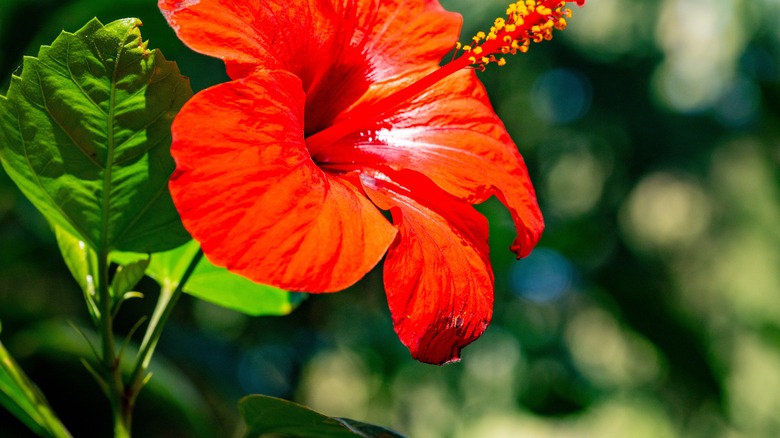
Tropical hibiscus (Hibiscus rosa-sinensis), which is grown as an annual in most regions, is a variety of hibiscus that can be surprisingly sensitive to stem wounds and pruning cuts. Cinnamon's antimicrobial properties make it the perfect natural option for protecting vulnerable spots on your hibiscus plants. After pruning, apply a pinch of cinnamon to the cut area. This can help seal the wound and fight fungal infections.
Peaches

Peach trees (Prunus persica) are perennial fruit trees that grow in zones 4 to 9, depending on the variety. These trees often struggle with pests like aphids, mites, and more. Cinnamon won't replace a full pest-management plan, but you can still protect them from aphids and other pests with this common kitchen ingredient. You can sprinkle cinnamon in the soil around the base of the tree, but that's not the only way to protect them. You can also place cinnamon sticks around the trees, or spray the area with a mixture of cinnamon oil and water.
Pot Marigold

Pot marigold (Calendula officinalis), also commonly called calendula, is an annual flowering plant that usually thrives with minimal effort in most gardens. Unfortunately, it still faces common problems like powdery mildew. Cinnamon can be used to save your pot marigolds in the same way that experts say it protects daisies: its antifungal effect. By sprinkling a small amount onto the soil, you can reduce problems with excess moisture and fungal diseases.
Potatoes

Potato plants (Solanum tuberosum) come in all different varieties that are considered versatile, yet vulnerable. It is common for potato crops to be damaged or even completely destroyed by moisture-related diseases and pests, especially during warm, wet weather. Cinnamon helps deter these pests and improve soil conditions by preventing fungal growth. Some gardeners also dust cut seed potatoes with cinnamon to try to prevent rot and support root development; however, there isn't any notable scientific evidence to support the specific impact on potatoes.
Roses
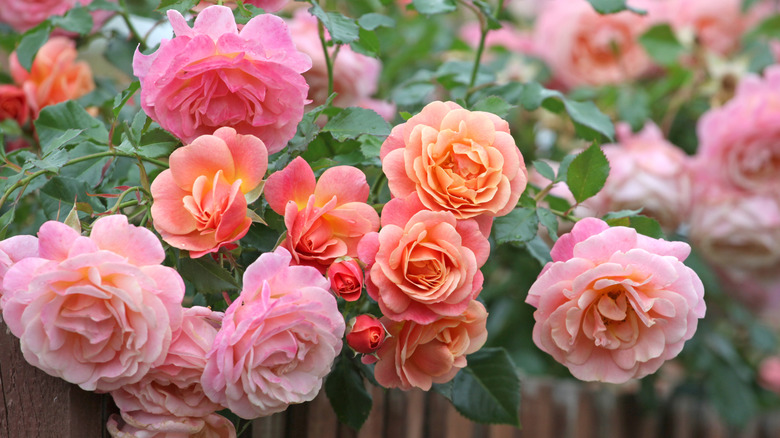
Roses generally take dedication and care to grow into stunning bushes that gardeners can display with a sense of pride. Historically, roses are challenging to grow, though some varieties have been developed to be easier to handle. Still, roses have a long list of potential ailments, such as black spot, aphids, and issues with damage to the stems. Cinnamon offers targeted support that can help to heal struggling stems, protect against fungal infection, and keep pests away. Like other plants, you can just sprinkle cinnamon on the soil near your roses or apply it to damaged stems.