

What To Do If Your Gas Appliances Get Banned In Your State
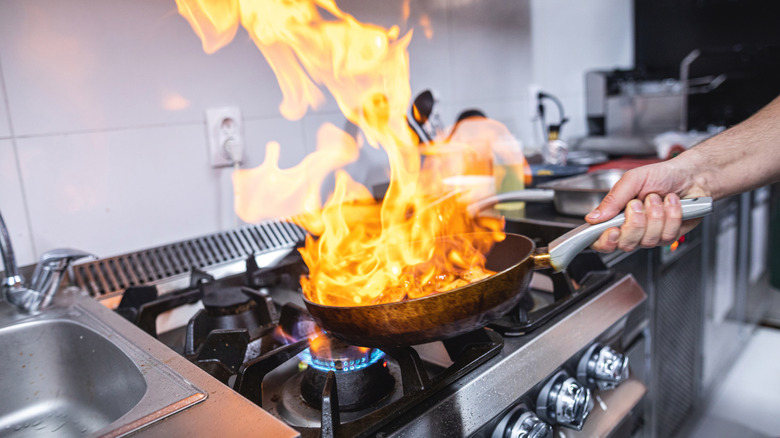
Avoid the clickbait: no one is coming for your gas appliances. Yes, some state and local governments are placing bans on natural gas furnaces, water heaters, or appliances, but none involve ripping out your current gas hookups and leaving you without a way to cook your food or heat your home. No government official will enter your home to see if you have a gas or electric dryer in your laundry room. Still, gas bans are increasingly common across the country, and if they apply to you, there are things you can do to get ahead of the ban. Being proactive by replacing aging appliances before they die can spare you disruptions in your service and avoid headaches working with your installer. It can also save you money when you switch to energy-efficient electric appliances and heating equipment.
If a natural gas ban comes into effect in your area, be sure to understand the legislation and don't fall for the hype. Complete bans on using natural gas-burning appliances or heaters aren't coming any time soon, and laws that have passed are limited in scope. California and New York State have passed bans, as have New York City, Denver, Washington, D.C., and other cities. Yet numerous states have even gone in the opposite direction, passing laws prohibiting bans on natural gas in homes. Many bans have yet to come into effect. New York State's law has been put on pause while a court case is pending against it. Even then, it would only apply to new constructions on smaller buildings. Existing buildings of any kind will be unaffected. Denver's ban only applies to new commercial buildings and does not include gas stoves. California's ban is limited to new gas furnaces and water heaters and will only begin in 2030.
How to save money ahead of natural gas bans
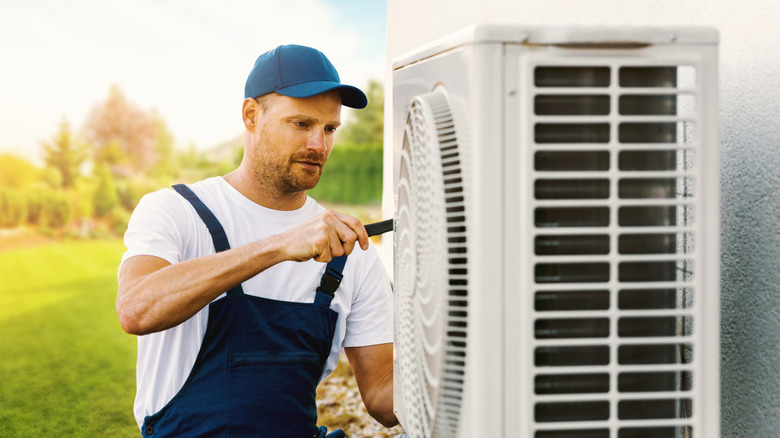
If you live in an area where a gas ban is likely in the near future, the best thing you can do is get ahead of the situation. Once bans go into effect, demand for authorized appliances is likely to be higher, potentially causing supplies to be more limited, waits to be longer, and costs to be higher. Many of the same states or localities that have natural gas bans in the pipeline also currently have financial incentives for switching to electric appliances and heating equipment. These incentives are designed to stimulate an emerging market for cleaner products. Once those products are mandatory, those discounts may go away.
When your gas furnace or water heater is nearing the end of its lifespan, replace it before you're required to. If your gas furnace dies on a cold winter night, you don't want to have to wait weeks until you can replace it with an electric heat pump. You may be surprised to find that, unlike a gas furnace, one of the benefits of installing an electric heat pump is that it doubles as a dehumidifier. If you're planning a kitchen upgrade, switch to electric appliances now rather than later. If you're considering getting rid of your gas stove in favor of an induction stove, do it before everyone else wants to. While it may not make financial sense to replace a perfectly good gas appliance — especially when there is no obligation to do so — replacing aging gas equipment is likely to save you money and spare you headaches in the long run.