

Do You Need To Change Your Air Filters More Often In The Winter?
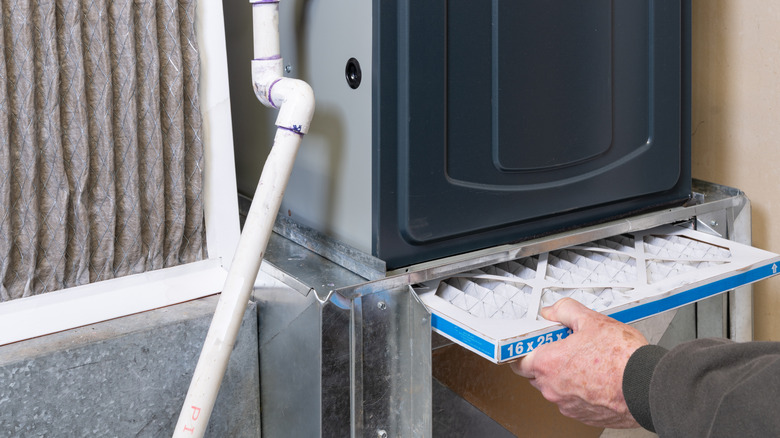
There's nothing better than feeling that first blast of warm air when you finally give in and crank up the furnace because of the chilly winter weather. That cozy feeling should also remind you that the heating system is about to start working overtime. When the furnace runs constantly to keep the cold out, it means your filter is getting much more use. This heavy demand should automatically mean that you need to check your filter's condition more often. Heating and cooling professionals generally suggest that homeowners check their air filters at least once a month during the winter and replace them as soon as they look dirty.
How often should you change your furnace filter? The standard rule of thumb for maintenance is usually somewhere between changing the filter every one to three months, but the heating season tends to push that more frequently. Because the HVAC system is running for long stretches, the filter naturally collects dust, dirt, pet hair, dander, and other airborne gunk at a much faster pace. By taking a look at it every four weeks, you can easily tell how quickly it's filling up. This quick check allows you to decide if a replacement is needed sooner than your usual maintenance schedule. Being on top of this task helps you avoid air blockages and keeps you from putting unnecessary strain on your heating unit when you need it most.
How often you change your air filter is based on usage, filter type, and your household setup

Figuring out the exact timing for swapping your air filter is not always straightforward because a single maintenance schedule doesn't work for everyone. The recommended time frame can change drastically depending on a few different circumstances: the kind of filter you have, the number of people and pets living in the house, and whether anyone has allergies or breathing problems. This often leads to the question, is it worth it to buy expensive furnace filters? If you use the thinnest fiberglass filters, which only catch the biggest particles, you will likely need to replace them every month. Thicker filters, like those with 4-inch wide pleats, can catch the smaller particles and might last anywhere from three to 12 months, depending on how often the system runs.
Your home environment also plays a big role in how quickly things get dusty. If you have several pets or if you have seasonal allergies, experts suggest you swap out your filter every 20 to 45 days. Pet hair and dander naturally speed up dirtying the filter, and fighting allergens requires the system to continually filter out tiny particles, which makes the filter fill up faster.
For single occupancy homes or if the home is used infrequently, you can probably let the filter go for longer, sometimes even stretching it beyond the three-month mark. For most families, keeping a schedule where you look at the filter every month and change it when needed is generally the best way to keep the system running cleanly and efficiently.
Ignoring a dirty air filter can reduce your HVAC system's lifespan and raise your utility bills
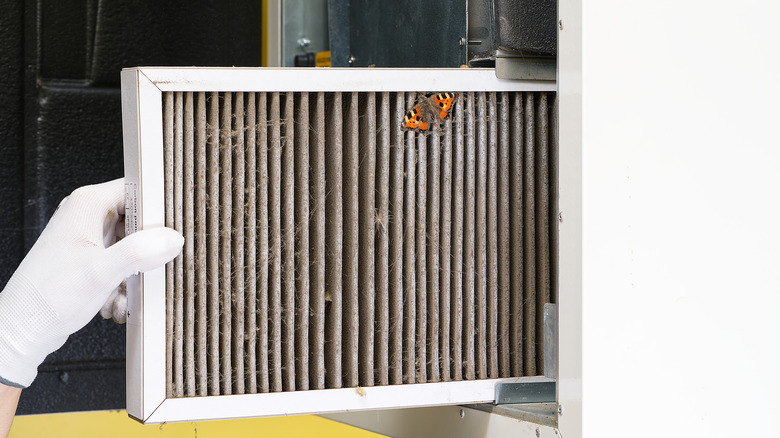
When you forget to change a dirty air filter, you create problems that affect both your furnace and your wallet. The job of the filter is to act as a shield, stopping dust and particles from getting inside the working parts of your HVAC system. When that shield is coated in dust and grime, the air cannot pass through easily. This forces the HVAC unit to struggle much harder to pull air through the system. This extra effort wears down the motor, causing it to overheat and potentially burn out, which often means an expensive repair or replacement of the entire unit. If you're still cold with the heat on, your filters may be the problem.
In addition to these types of issues, a dirty filter makes your HVAC system waste energy. When the system strains to move air, it uses a lot more power, which can cause your monthly utility bills to increase. This happens because the unit has to turn on and off more frequently or run for longer periods to keep the home at the set temperature. If the filter is completely clogged, it loses its ability to trap small particles. Instead, it just gets blown right back into your living space. This results in dusty indoor air, which can make things miserable for anyone in the home with breathing issues.