

10 Plants That Aren't Worth The Trouble Of Overwintering
The early colonists in Jamestown, Virginia, brought seeds with them from England. They had to. They needed to cultivate edible plants to survive. Today, people garden for all kinds of reasons — for food, yes, but also for fun, exercise, or to relieve stress. Outside of farmers, nursery owners, and perhaps some homesteaders, few of us garden because we must. If gardening is a choice, we can also choose which areas of the hobby to focus on and where to spend our energy, time, and money. You might have noticed from past efforts that not all plants are worth the trouble of overwintering — unless you're a Master Gardener or have a greenhouse that makes it easy to overwinter perennials in the fall for strong and healthy plants in the spring. In particular, you might struggle with lavender, fuchsias, ferns, gardenias, lemon verbena, among other fussy shrubs and herbs.
Of course, some gardeners love a challenge. If that's you, you may disagree with some of the plants listed below. That's okay. We encourage you to try overwintering any of them if you so desire. With the right conditions and skills, gardeners successfully grow finicky perennials at all times of the year. Beginner gardeners, however, don't need yet another plant failure to discourage them. Whether we're talking tricky tender annuals like petunias or heat-and-humidity-loving tropical plants like hibiscus, there may be better ways — or better plants — to spend your limited resources in the garden. Everything has its season, and gardening can be a lot easier when you mimic nature rather than battle against it.
Petunias
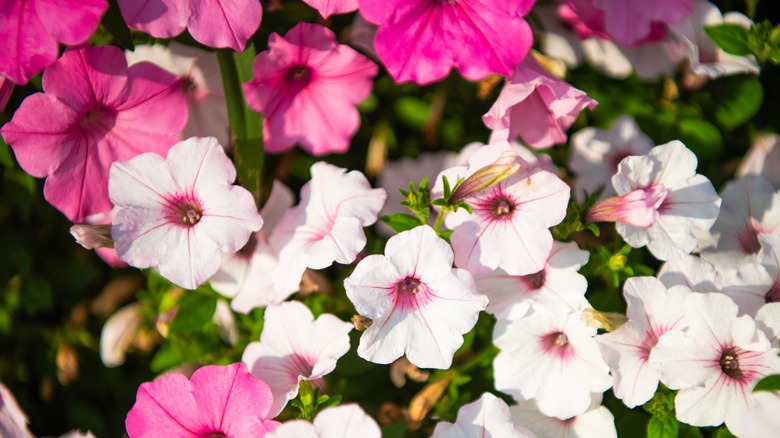
In warm climates, petunias (Petunia spp.) can live up to two years. It makes sense to want to overwinter them indoors. However, without a proper greenhouse to control the light, humidity, and temperature, these tender perennials aren't a great choice for overwintering outside Zones 10 to 11. Petunias are susceptible to mites, a common indoor houseplant pest. Plus, they are easily grown from seed or purchased as bedding plants in the spring. They don't really need overwintering. Perhaps the only reason would be if you're trying to fill a winter greenhouse with flowering plants or want a challenge.
Spanish lavender
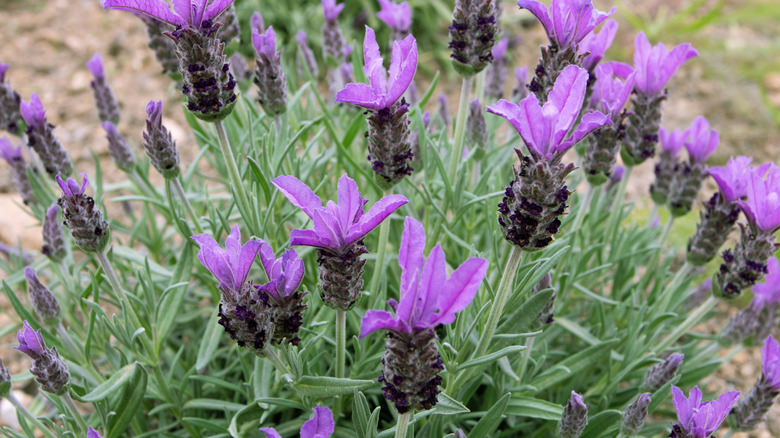
Spanish lavender (Lavandula stoechas) is hardy in Zones 8 to 9. Although there are some cultivars that are hardy down to Zone 6, this plant is usually overwintered in warmer climates. If you live in a cooler climate, you may be tempted to bring this plant indoors in winter, too. Unfortunately, Spanish lavender presents challenges as a houseplant. Outdoors, it is a low-maintenance plant. Bring it inside in a container, and it can suffer from problems like root rot. Plus, you'll probably need a grow light to give it the long hours of sunlight it needs to thrive.
Dahlias
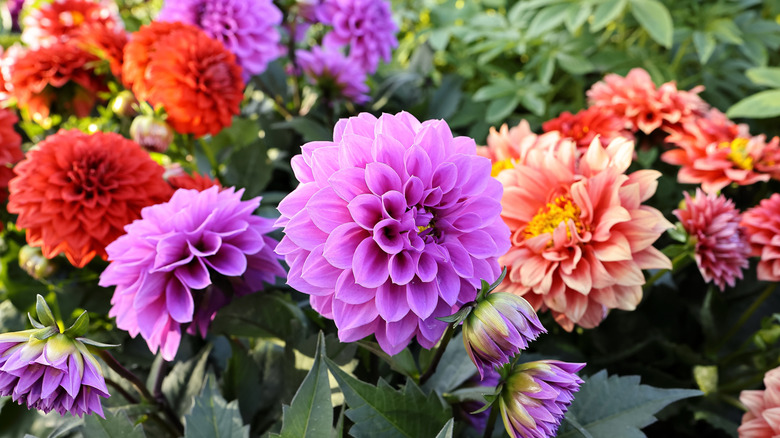
If you garden in USDA Hardiness Zones 7 or below, it's common practice to dig up and store dahlia (Dahlia spp.) tubers before winter arrives. However, overwintering dahlias as a plant isn't recommended — that is, bringing the plant inside before it freezes and trying to keep it alive all winter. You don't need to do this, since there's really no benefit. There are ways to grow dahlias in containers year-round successfully. For example, you can keep them in a heated greenhouse, but they often have pest problems, like powdery mildew, thrips, aphids, and mites.
Tender fuchsias
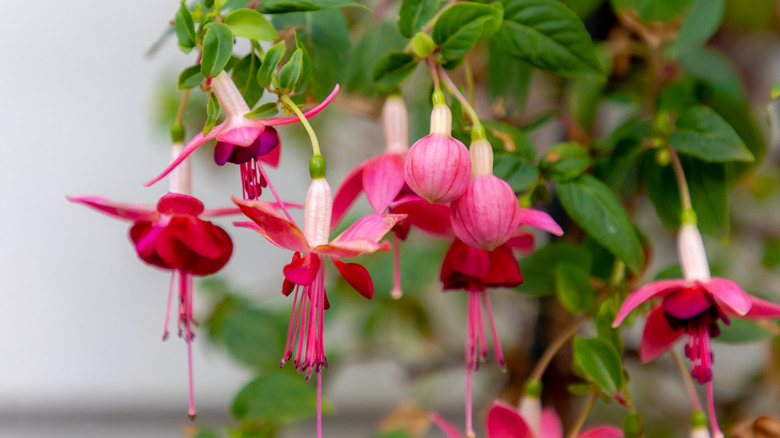
Tender fuchsias are often grown to attract hummingbirds and butterflies to a yard. However, they are another plant that may not be worth it to overwinter. Depending on where you live, it's often easier to buy a new fuchsia (Fuchsia spp.) shrub in the spring. They're hardy in Zones 10 to 11. Outside of those zones, the methods to keep them growing over winter are a bit fussy. You have to wait until tender fuchsias go dormant in the fall before bringing them indoors. If you grow them as houseplants, they need constant misting to maintain high humidity.
Mandevillas
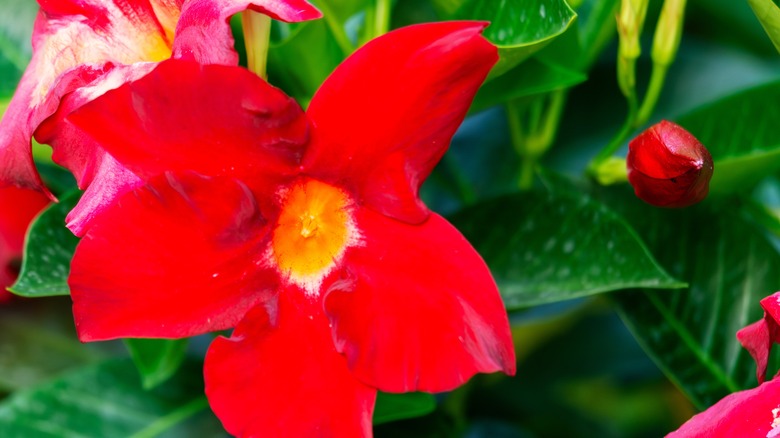
Do you live in a climate where temperatures drop below 50 degrees Fahrenheit consistently? You'll have to bring your mandevillas (Mandevilla spp.) indoors if you want them to survive the winter. Mandevillas present quite the overwintering challenge, even to those who enjoy caring for tender perennials during the cold months. They're hardy in Zones 10 to 11. In other areas, they are grown as an annual (albeit an expensive one) because they are easier to purchase in the spring than overwinter.
Boston ferns
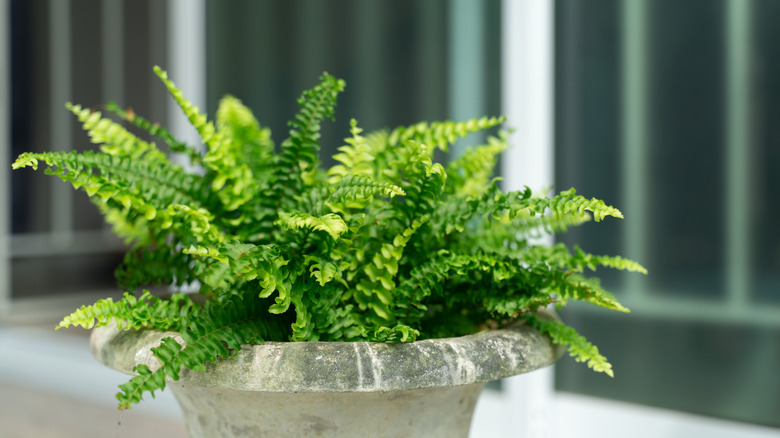
Some plants, like the Boston fern (Nephrolepis exaltata), which is hardy in Zones 10 to 11, lose all their leaves and go dormant in the cold. You can technically overwinter Boston ferns so they're as good as new in spring. First, you need the right spot: a dark, cool corner with little foot traffic. These humidity-loving plants need regular watering to counter dry indoor air. Yet overwatering an overwintered Boston fern is easy because they're not actively growing — and too much water makes them susceptible to root rot. It can be hard to get the balance right.
Tropical hibiscus
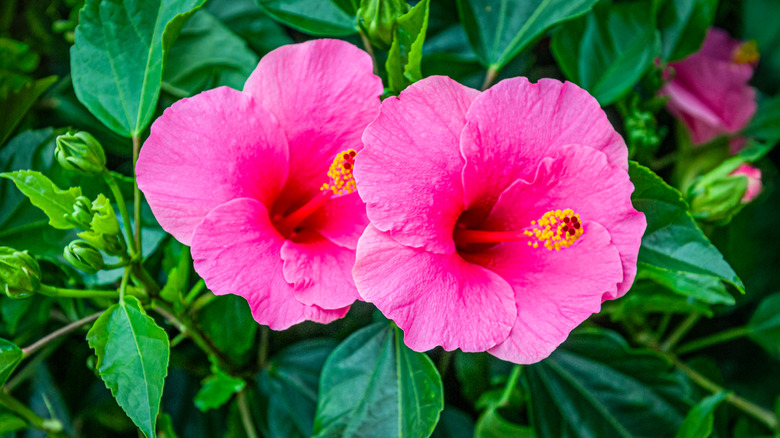
If you've taken steps to create your own indoor greenhouse for tropical plants, then by all means, overwinter your tropical hibiscus (Hibiscus rosa-sinensis). Otherwise, this is a challenging plant that may not be worth keeping alive through the cold months. It's typically hardy in Zones 9 to 11 and prefers full sun. Without this abundant warmth and light, it will drop its leaves, attract pests, and generally look sad. If you live in a cold region, it would be much easier to grow perennial hardy hibiscus (Hibiscus moscheutos). It requires far less maintenance than its tropical relative.
Gardenias
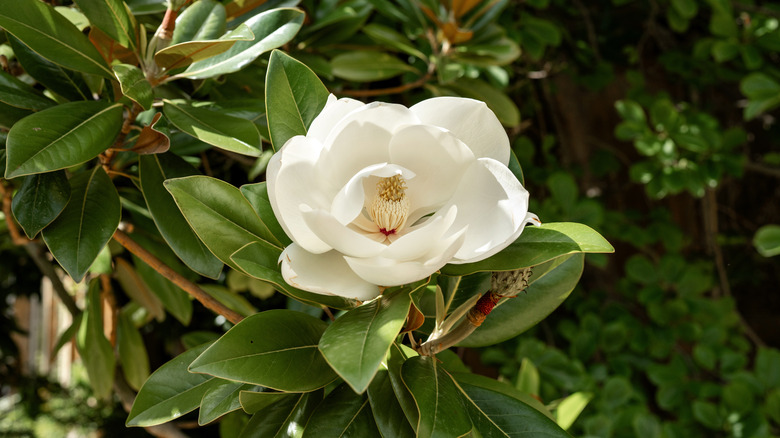
Gardenias (Gardenia spp.) are hardy in Zones 7 to 11. While it's possible to bring a gardenia indoors in cool climate winters, the experience might not go quite how you imagined. Gardenias need a lot of bright light to thrive, so you'd have to provide supplemental lighting. They also prefer cooler room temperatures than your family may enjoy — down to 55 degrees Fahrenheit at night. To top it off, gardenias require moderate humidity, so you'd need to find ways to increase humidity for houseplants. If you're in Zone 6, plant a cold-hardy gardenia and just let it overwinter outside.
Cannas
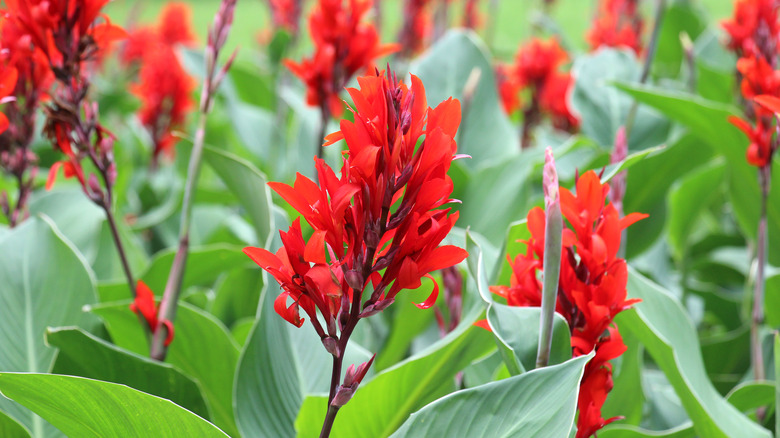
Cannas (Canna spp.) are hardy in Zones 7 to 10, where they are grown as perennials. If you're growing them outside these zones, don't bother trying to keep them alive at the end of the season. Indoors, they require a lot of space, light, fertilizer, and careful watering. Instead, one of the best tips for growing and taking care of canna lilies is to dig up their tubers and store them indoors for winter. Even then, you need to make sure wherever you're storing them is cold — between 40 and 50 degrees Fahrenheit — or they'll start sprouting too early.
Lemon verbena
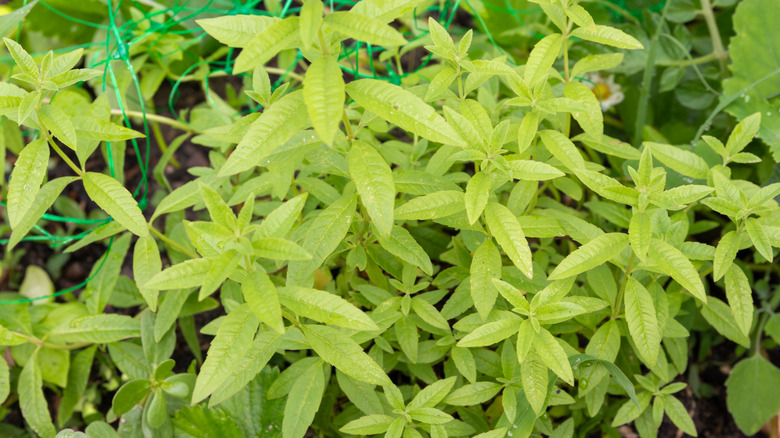
You could possibly keep lemon verbena (Aloysia citriodora) alive through winter, but it's often more trouble than it's worth. The plant is only hardy above Zone 8, so if you insist on keeping it growing over the colder months, make sure to pot it up and bring it indoors well before winter. It will start to drop its leaves once the thermometer hits just 40 degrees Fahrenheit. Indoors, it will lose foliage as it enters dormancy. The bare stems are far from attractive, making it a lackluster addition to your houseplant collection, even temporarily.