

The Best Sticker Removal Method For Every Type Of Material
We may receive a commission on purchases made from links.
Trying to scrape off old sticker residue can be incredibly frustrating — whether it's the label on that empty pasta sauce jar you want to repurpose or a sticker your child stuck to the wall in their bedroom. The residue never seems to come off easily. Most adhesives contain polymers, resins, and plasticizers that form molecular bonds with whatever surface they touch. And that makes them notoriously difficult to remove. The problem is, if you scrub too hard or use the wrong cleaner, you risk damaging whatever you're trying to salvage. That's why it's so important to use the best removal method for the material at hand. That could be oil and alcohol for glass, acetone for plastic, a heat gun for metal, warm soapy water for leather, or simple scraping for concrete.
The secret ingredient for removing annoying stuck-on stickers is in your kitchen cabinets or on the shelves of your local hardware store. The tools and techniques you use to help the process along differ, too. Before applying any cleaner or chemical, you need to test it in an inconspicuous spot. Look for staining or other damage. Always use a plastic, not metal, scraper or a credit card to avoid scratching soft surfaces. If you're using strong solvents or adhesive removers, work in a well-ventilated area and wear protective gear, like gloves and goggles. Safety measures are especially important if you're cleaning up large or rough surfaces.
Glass and ceramics
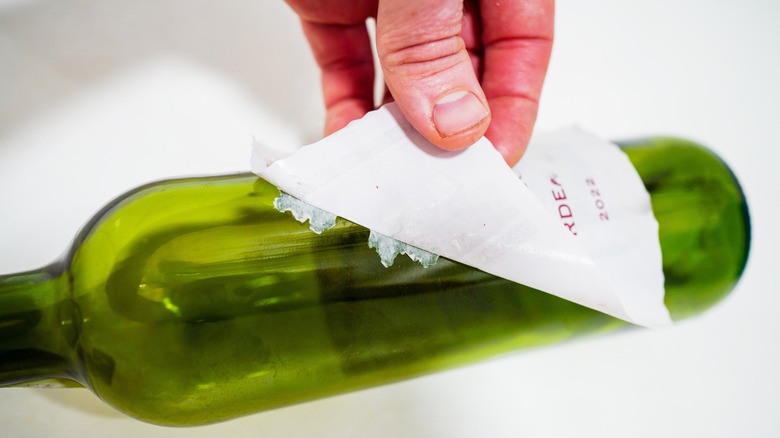
Water-resistant glass and ceramics aren't easily damaged by adhesive removal methods. They don't soak up harsh solvents. This is great news when you need to remove labels to, say, turn thrifted glass jars and bottles into the cutest candle décor. For the quickest, easiest result, you'll combine oil — cooking oil, peanut butter, or mayonnaise — and rubbing alcohol or an alcohol-based cleaner. Apply the oil to the sticker or its adhesive residue and wait five to 10 minutes. Then scrape gently at the remains with a plastic scraper. Use the alcohol to remove any stubborn adhesive.
Plastic
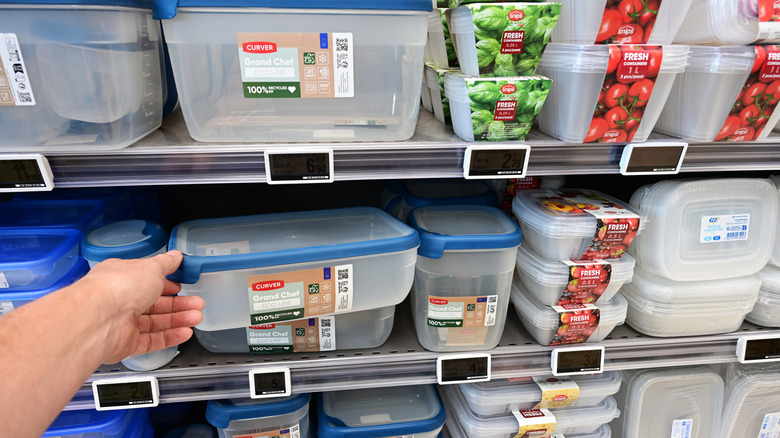
Plastic is a durable material. However, most household plastics scratch easily, so it's better to be safe than sorry when attempting sticker removal. This cleaning method is simple, gentle, and requires no scrubbing. First, soak the plastic in a solution of warm water and a squirt of dish soap for a few minutes. The adhesive should start to lose its grip on the surface. Then, firmly wipe away the sticker with a soft cloth. For extra-stubborn residue, you can gently scrape the surface with a credit card or use an acetone-soaked cloth. Test it on an inconspicuous area first.
Metal
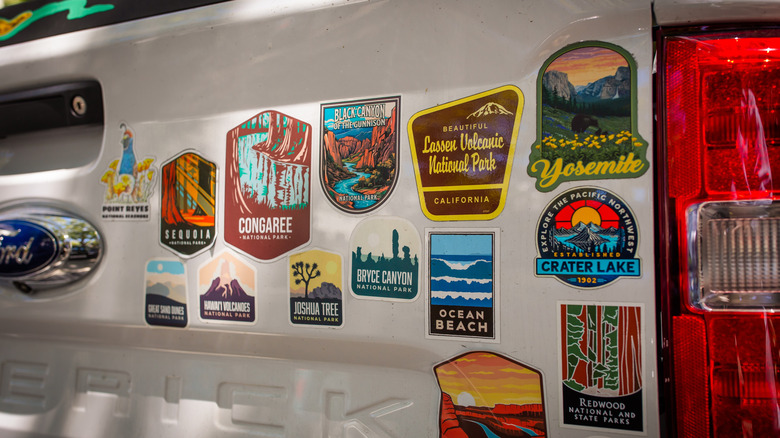
Removing stickers from metal surfaces is tricky because you don't want to scratch the surface. Heat is an easy way to soften and lift sticker adhesive from metal. You'll need a hair dryer or heat gun and a plastic scraper or credit card. Set the hair dryer or heat gun to medium and aim it at the stickers or residue, holding it about six inches away. After 30 seconds to one minute, gently peel off the sticker using the card or scraper. Remove any remaining glue using a cloth or cotton ball soaked in mineral spirits.
Finished wood

Exercise caution and work gently when removing stubborn stickers from finished wood. A small slip-up can damage the paint, stain, or varnish. Turn on a hair dryer or heat gun to a low setting and aim it at the sticker, holding it in place for about 30 seconds to one minute. Gently peel the sticker off the wood, using a plastic scraper or your fingernail. Don't make contact with the wood and avoid using metal tools, which are more likely to scratch. Clean up any residue using a cloth soaked in equal parts water and vinegar.
Clothing
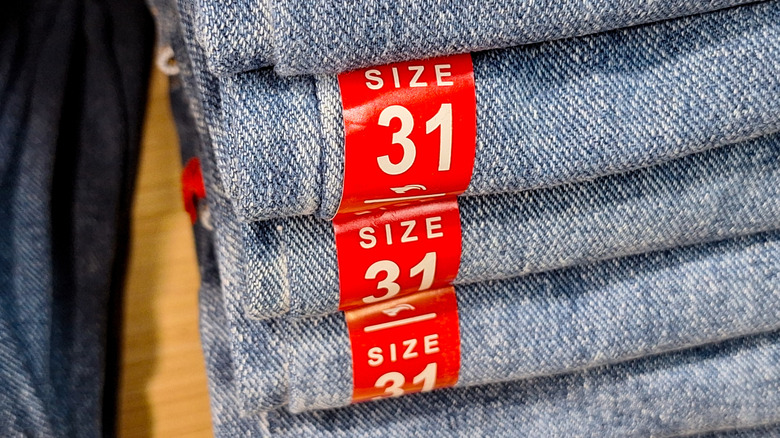
Rubbing alcohol and acetone are among the best products to remove sticker residue from clothing. These products break down the adhesive and generally won't damage the fabric. With that said, check the care label on the item before using any chemicals on it — acetone, in particular, can damage acetate fabrics and pull the color from dyes. To use this method, start by soaking a cotton ball or cloth in rubbing alcohol or acetone. Gently blot the sticker (don't rub it) until it starts to lift from the fabric. Wash your clothing as normal, and you're done!
Leather
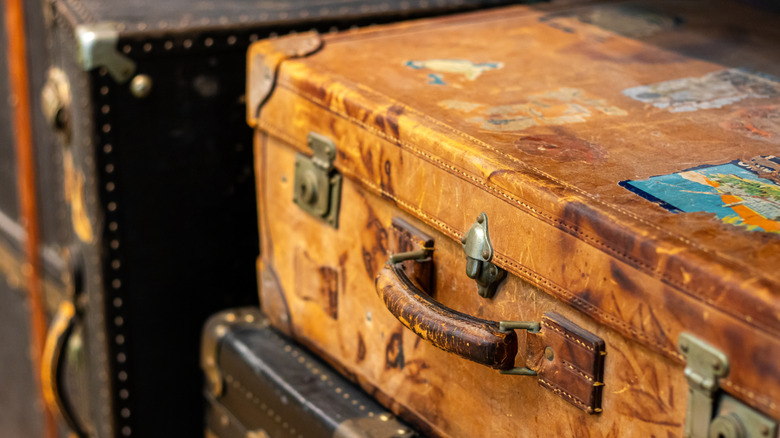
While we associate leather jackets, boots, and bags with toughness, leather is actually pretty delicate. It has a notoriously porous surface. Avoid using harsh chemical solvents to clean off stickers. Never use your fingers to peel off a sticker. It will only make the problem worse. Instead, you can try the heat method, where you loosen the sticker's adhesive with a hair dryer set low. Remove any remaining adhesive with a good-quality leather cleaner, like Leather Honey Non-Toxic Leather Cleaner. Finish the job with a leather conditioner to moisturize the material and prevent cracking.
Walls
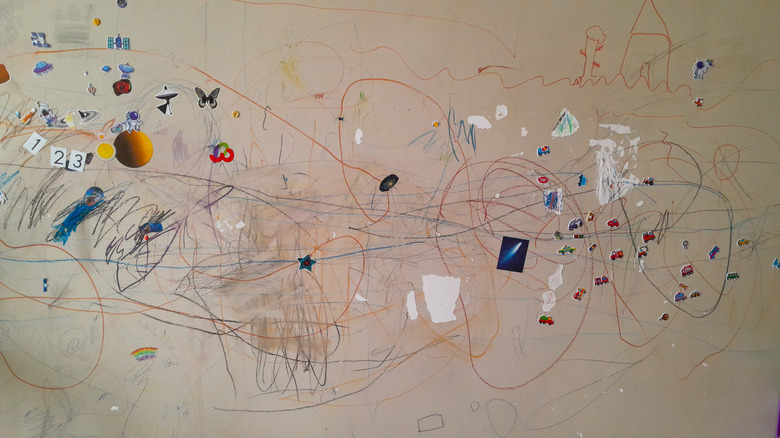
Whether it's children's stickers or a decorative decal, picking at them with your fingernails isn't always enough to remove them or their glue from a wall. Mild heat can help lift stuck-on adhesive without damaging the drywall underneath the paint or wallpaper. Use a heat gun or hair dryer set low to medium, holding it about 4 to 5 inches from the wall. When the sticker starts to soften, use your fingers or a plastic scraper to gently lift the sticker and its glue from the surface of the wall. Tackle stubborn glue spots with a mild adhesive remover.
Stone countertops
Removing stickers from natural stone countertops, such as granite, quartz, and marble, can be challenging because solvent-based cleaners, abrasive creams, and acidic natural cleaners like vinegar are a no-go. The answer? Simple soap and water. Gently remove as much of the sticker off as possible by hand. Rub the remainder in a circular motion using a soft cloth soaked in warm soapy water. Repeat the process until all of the sticker and any residual adhesive is gone. Finish by rinsing the stone surface with fresh water. Tackle stubborn stains with a little WD-40.
Concrete floors
Just as there are genius ways to remove paint from your concrete floors, there are clever options for saying goodbye to stickers. You should avoid using solvent-based cleaners wherever possible; these products can stain unfinished concrete or damage the finish on sealed concrete. Instead, start by carefully peeling the sticker off the surface with the help of a razor blade or Kezers Stainless Steel Putty Knife. Tackle stubborn adhesive with CRC Industrial Adhesive Remover or a similar commercial-grade adhesive remover. Flush the floor with fresh water and reseal the area if needed.