

The Pesky Insect With A Painful Bite That You Actually Want In Your Yard

We all want to protect our veggies and fruits from pesky garden pests that ruin crops and spread diseases. While chemical control methods are the go-to option these days, experts agree that natural control methods are better. And that is where minute pirate bugs (Orius insidiosus Say) can help. These tiny creatures are one of the best bugs for protecting your garden. Also known as the insidious flower bug, they are incredibly effective predators of many harmful pests in the garden. They are even sold commercially to be released in masses in yards and crops.
Adult minute pirate bugs are about one-eighth of an inch long and easily identify by their oval body and the distinctive black and white "X" pattern on their wings. Being so tiny, they are difficult to see but they deliver a powerful bite you'll feel for hours. Biting incidents from these bugs peak during the fall when their food sources become scarce, and they enter homes in search of a meal. But don't worry! These insects don't feed on blood, they don't transmit diseases, and they don't spread venom either.
How minute pirate bugs protect plants in your yard
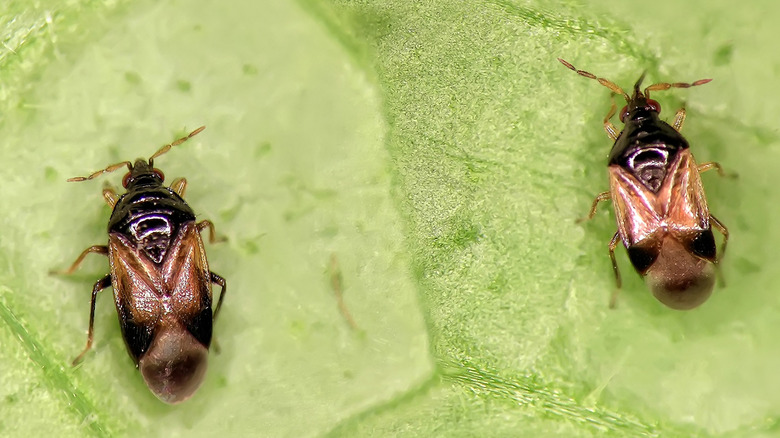
Minute pirate bugs are generalist predators, meaning they feed on all sorts of soft-bodied garden pests. Thrips, aphids, spider mites, whiteflies, leafhopper nymphs, tiny caterpillars, the list just keeps going on. Even better? They also attack and eat pest eggs. So, if you introduce them when a pest is laying eggs on your garden plants, they might be able to take care of your pest problem before it even starts. Their voracious appetite and gruesome killing methods are also worth pointing out. Adult minute pirate bugs eat more than 20 thrips each day. And if they find spider mites, that is even better because a single bug can eat as many as 30 or even more spider mites in a single day.
In addition to feasting on insects, these bugs actually attack and incapacitate more pests than they eat. And the way they kill it makes things even more interesting. Minute pirate bugs catch the pest with their front legs and stab it repeatedly with their needle-like beak until bodily fluids emerge. Then, they will suck out its fluid and leave behind an empty shell.
Attracting minute pirate bugs to the yard
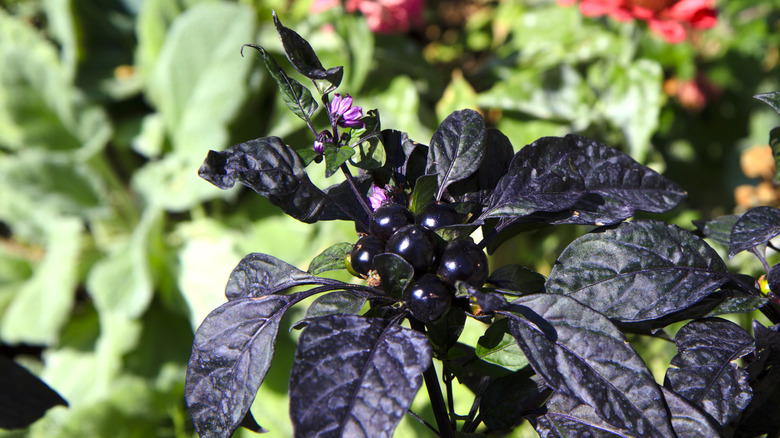
If you enjoy a pest-free garden and don't mind the occasional bite, you can attract minute pirate bugs to your yard by creating a place that provides food, habitat, and overwintering sites for these insects. These bugs, although sounding extremely predatory, also rely on nectar and pollen when prey is scarce. So, start by adding flowering plants near your vegetable beds. You can try adding alyssum, black pearl pepper, and other flowering ornamentals.
Ornamental peppers (Capsicum annuum) such as black pearl, are particularly effective as they also attract thrips. So, Minute pirate bugs dine on their tiny visitors, and when the feast ends, they can feed on their nectar. When trying to attract beneficial insects, avoid the use of pesticides, especially broad-spectrum ones. Even biopesticides such as Spinosad are toxic to Orius species. Likewise, systemic insecticides should also be avoided as they can also have harmful effects on minute pirate bugs.
Other than that, you can also try leaving behind a bit of leaf litter and undisturbed plant debris in your yard during the cold months. This will help provide overwintering refuge for adult minute pirate bugs. Just avoid making a mess, which can turn your garden into a breeding ground for pests.