

Avoid These 13 Shower Curtain Mistakes That Most People Make

We may receive a commission on purchases made from links.
A shower curtain may seem like an insignificant, purely decorative detail, but it actually plays a bigger role in your bathroom than you may realize. Not only do stylish shower curtains amp up your bathroom's appeal, but they also protect your floors and walls from water damage and can even prevent dangerous slips and accidents. Despite this, many people make some surprisingly simple mistakes that reduce how effective their shower curtains are or shorten their shower curtains' lifespan. From choosing the wrong material to not installing curtains properly, these common blunders can leave your bathroom looking bland and make it less safe than it should be.
However, with the right curtain, liner, and installation, you can keep your bathroom dry and stylish. Small adjustments, like letting the curtain dry properly and cleaning it regularly, can make a big difference in how long it lasts and how well it functions. Follow these simple tips so that your bathroom stays safe and your curtain stays easy to maintain.
Forgetting about lined shower curtains
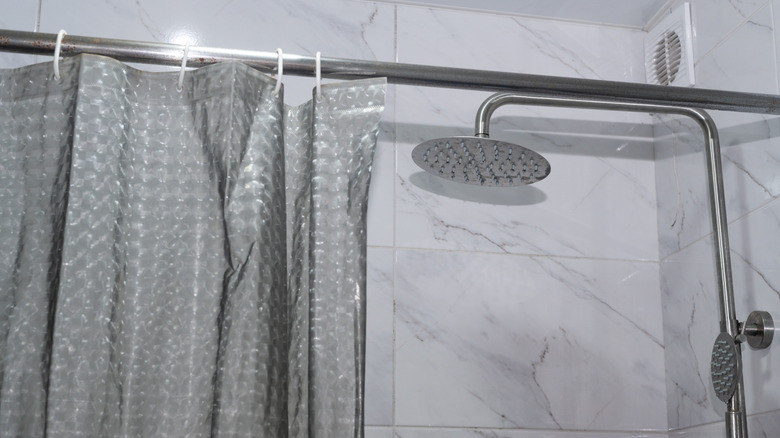
Not using a shower curtain liner is a common mistake that many people make, mostly because they assume the outer decorative curtain is enough to keep water contained. However, water can easily slip past your shower curtain and end up on the bathroom floor without a liner. People often skip the liner because they don't realize it serves a completely different purpose than the outer curtain. It's the barrier that stops splashes and prevents moisture from seeping out where it shouldn't.
The better thing to do would be to pair your shower curtain with a proper liner made from waterproof materials. The liner should hang inside the shower or tub, while the actual curtain remains outside. This ensures your floors are kept dry, reduces the risk of slipping and falling, and protects your bathroom from any water damage. For extra convenience, choose a liner with weighted hems to prevent billowing. The only thing to keep in mind when it comes to a shower curtain liner is that it needs to be cleaned about once a month.
Not choosing a shower curtain with pockets for extra storage
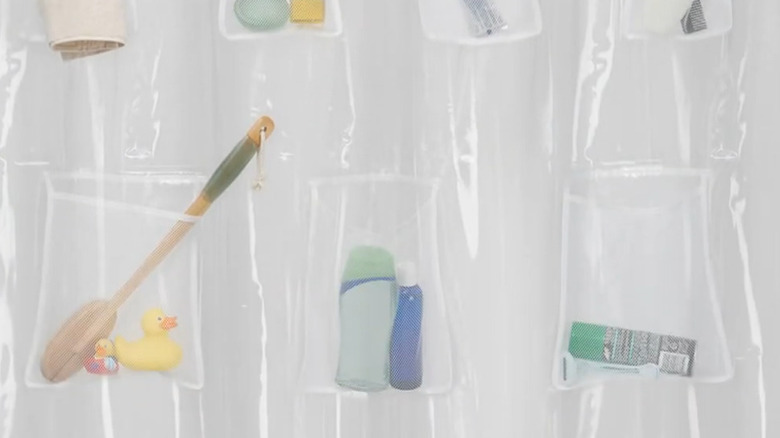
Overlooking shower curtains with built-in pockets is a mistake many people make because they don't know that this design even exists. Many shoppers are more concerned with color and material, and never think about storage as part of a shower curtain's role in their bathroom. However, in a bathroom where space is tight or it's just generally cluttered with personal care products, a shower curtain with pockets is a great option.
Choose one that has clear or mesh pockets along its inner panel. These pockets can hold things like shampoo, razors, soap, and even kids' bath toys, which keeps them neatly packed away and prevents them from cluttering up any limited shelving you may have. Because the pockets face inward, they shouldn't get in the way of the curtain's overall appearance, so your bathroom will still look neat and tidy. Opt for a waterproof material for your pocketed shower curtain to prevent splashes on the floor and mildew buildup. Ensure you don't fill the pockets with too many items, as heavy bottles can pull the curtain down or cause it to sag.
Failing to consider extra-long shower curtains
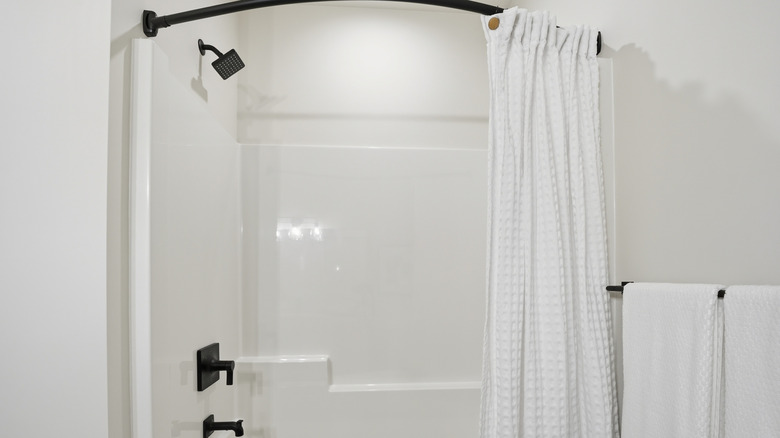
Many people forget to think about extra-long shower curtains because they assume the standard 72-inch length will fit in with any shower setup. It's also the size you'll see in most stores, so it may feel like the natural option. However, in bathrooms with tall ceilings or walk-in showers, a standard curtain can often be too short and can leave a gap at the bottom. This not only looks awkward, but it can also create splashes on your bathroom floor.
The smartest thing you can do in this case is to go for an extra-long shower curtain. Longer panels can create a more elegant, floor-to-ceiling look that can help to make the space feel bigger. This is ideal for small or narrow bathrooms. Extra-long shower curtains also give you better coverage for high-mounted rods or larger walk-in areas. One tip for choosing the correct shower curtain size is to ensure your liner matches the curtain length, and consider height-adjustable rods for a custom fit.
Forgetting that they're easier to install and replace than glass doors

Some people overlook shower curtains as an option because they think that glass doors are a better alternative. But shower curtains are a far more affordable and flexible choice. Glass doors come with high installation costs, often between $400 and $1,200, and almost always require professional help. You may also need to drill into your bathroom walls to install them.
Shower curtains are a DIY-friendly alternative. A quality curtain typically costs between $10 and $50, and you can hang one in just a few minutes using a standard rod. And, if you want to avoid drilling into your bathroom walls or tiles, a tension rod will hold your curtain in place securely. Curtains are also easy to replace when you want a new look, which makes giving your bathroom an upgrade quick and inexpensive. Also, glass shower doors come with a lot more maintenance than a simple shower curtain, which can be washed and replaced without costing much.
Defaulting to plastic shower curtains
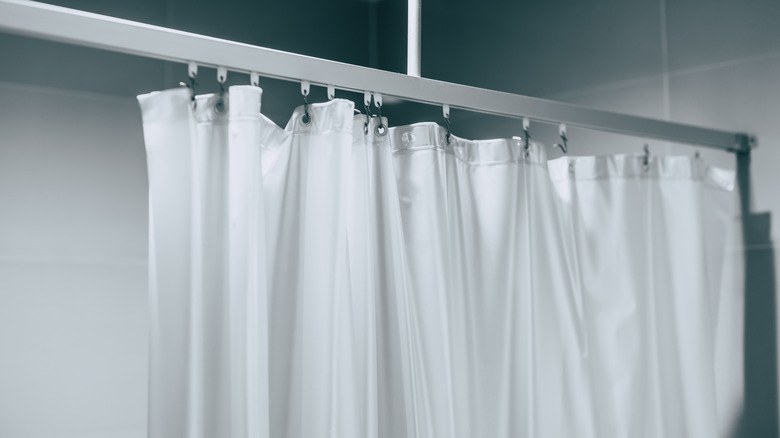
Many people choose plastic shower curtains because they're typically cheap and widely available. They may also seem like the simplest choice. You can grab one at almost any store, hang it up in minutes, and call it a day. However, plastic isn't always the best option, as the material often degrades quickly and does that annoying thing where it clings to you in the shower. Plastic shower curtains also tend to look cheap, and they collect soap and scum easily, which means more frequent cleaning or replacing your shower curtain sooner than you expected.
A better approach is to invest in a fabric or hybrid shower curtain made from polyester, vinyl, or cotton-blend materials. These options are better at resisting soap buildup, and they can look more polished than plastic. Using them along with a good-quality liner gives you the same amount of splash protection that you'd get with plastic, but without the chemical odor or flimsy feel. Fabric shower curtains can also usually be tossed in the washing machine, which makes upkeep much easier.
Forgetting to remove mold buildup
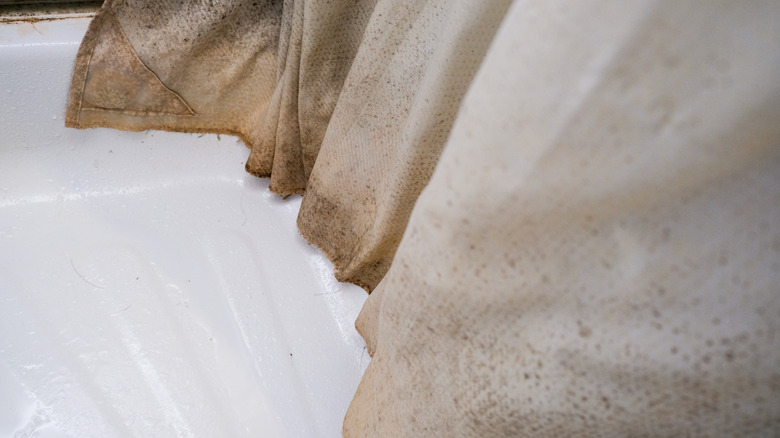
Mold is a common problem when it comes to shower curtains. Bathrooms are naturally humid spaces, and when moisture sits on your curtain, mold and mildew can start to form. Since the curtain is something you likely see every day, it's easy to miss the small dark spots or assume the mold is just a soap stain. However, not removing mold from your shower curtain can result in musty smells and discoloration. It can also make your shower curtain look older and less appealing.
Getting rid of mold on shower curtains is easy with some simple, inexpensive household products. Mixing water with white vinegar and spraying it directly onto moldy areas helps kill up to 82% of mold types, thanks to vinegar's high pH level, which also disrupts mold growth. A soft brush or sponge can also help you get rid of visible spots of mold or mildew without damaging the curtain's material.
Not letting your shower curtain dry properly
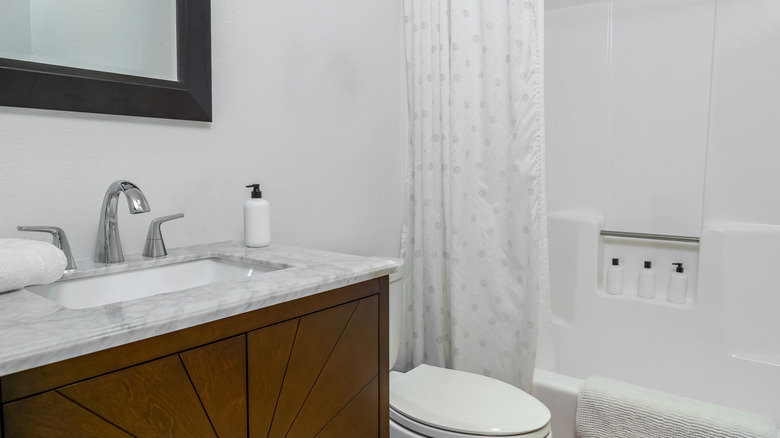
A lot of people don't realize that the way they leave their shower curtain after bathing affects how long it'll stay clean and hygienic. Scrunching the curtain to the side traps moisture in the folds. In a humid bathroom, that damp, bunched-up curtain fabric becomes the ideal environment for mold and mildew to grow.
To prevent this, make a habit of fully extending your curtain after each shower. Let the liner hang inside the tub or shower, and the outer curtain fall on the outside so air can flow between the two layers, allowing them to dry more effectively. If your bathroom has a window, crack it open to ensure both layers dry sufficiently. You can also choose quick-dry shower curtain fabrics, like polyester, to avoid lingering moisture. Stretching your curtain out fully after each shower extends its lifespan and means you won't have to replace it as often, since mold and mildew won't build up as quickly.
Neglecting to change out your shower curtain regularly
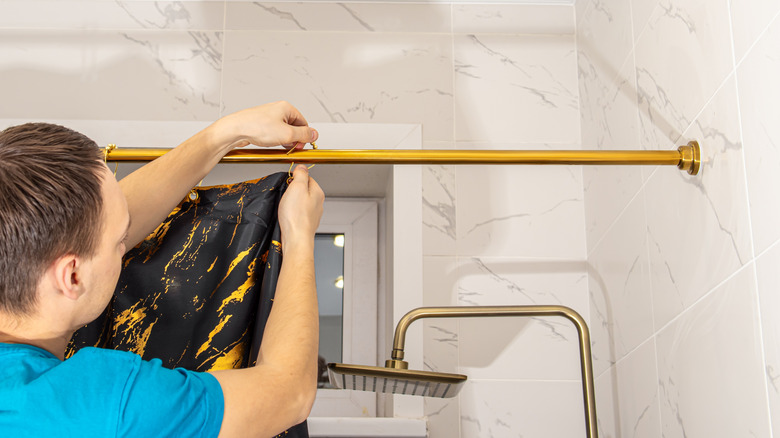
Small issues like fading, fraying, or mildew don't always stand out until they've become bigger problems. This is why many people forget to change out their shower curtain regularly. It's also easy to think you don't need to switch shower curtains if you're washing them regularly. However, due to humidity, soap residue, and the fact that it's constantly exposed to water, your shower curtain may need regular replacement.
Experts say that to keep your curtain fresh and hygienic, you should aim to replace it every six months to a year. The exact timing will depend on the material of your curtain. For example, cotton that is washed regularly will likely last longer. If you live in a humid region, you might need to replace your shower curtain more regularly because humidity attracts more microorganisms than drier areas. Watch for signs like frayed edges, tears, fading, mildew, and mold. If you're seeing these, it's possibly time for a replacement. Getting a new curtain is inexpensive and keeps your shower more sanitary. Plus, you can give your bathroom a fresh new look every few months.
Choosing a plain-colored shower curtain
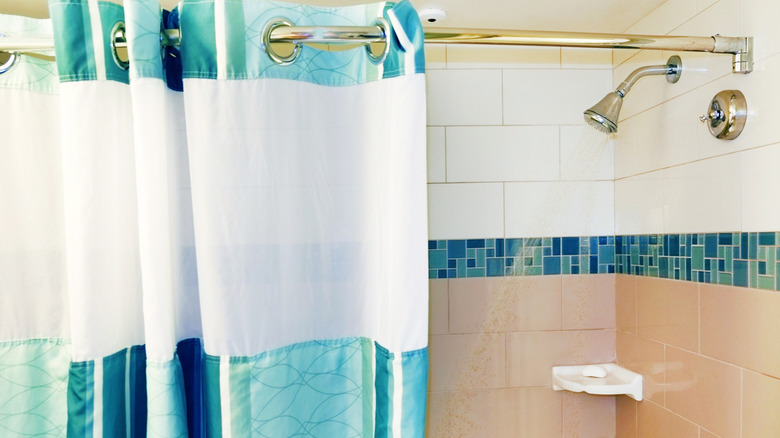
Many people default to plain-colored shower curtains, especially white, because they're neutral and seem to blend well with any bathroom decor. It may feel like a safe option that won't clash with tiles or paint colors, but it can make your bathroom feel bland or sterile. This is especially true for smaller, windowless spaces. While it certainly is functional, a plain curtain means you're missing an opportunity to inject some personality and style into your bathroom.
A better idea is to choose a shower curtain with a subtle pattern, decorative detailing, or a pop of color. Prints like stripes or geometric shapes can brighten your space, making it feel larger and adding a cozy charm without overwhelming the room. You don't necessarily need a bold or eye-catching design to make a difference. Even understated, whimsical patterns can look and feel good while keeping your bathroom cohesive. For added fun, consider switching out your curtains seasonally or pairing a patterned outer curtain with a solid liner.
Not selecting the best fabric for your bathroom
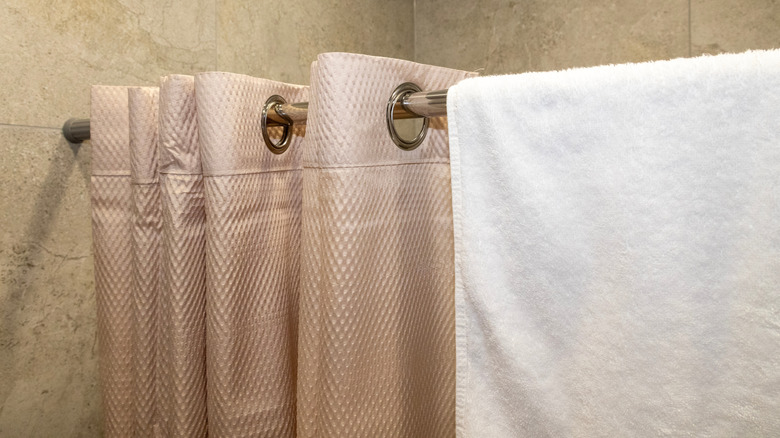
Most people don't give much thought to the fabric of the shower curtain they're choosing, and they often just pick whatever's cheapest or what looks nice in the store. Selecting the wrong fabric can lead to problems like excessive mildew or a curtain that feels flimsy and cheap once it's installed. The wrong material can also impact the overall look and feel of your bathroom.
To avoid these issues, select a fabric that matches both your bathroom conditions and your style. Nylon and polyester shower curtains are ideal for humid environments. Cotton or cotton-blend is an elegant material for shower curtains that makes your bathroom feel like a spa. Vinyl is another shower curtain material to try because it's budget-friendly and is the easiest to maintain, as it often resists water and mildew, though it may feel less upscale. Choosing the right material will ensure your curtain lasts longer and elevates the look of your space.
Letting your shower curtain turn orange
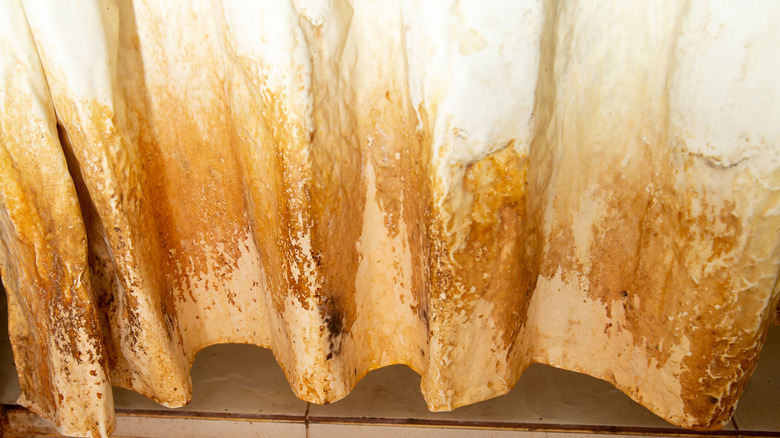
You may be shocked when your pristine shower curtain starts turning orange. However, it's quite a common issue. The culprit is often hard water, which contains minerals that oxidize over time and leave stubborn orange stains. In other cases, bacteria can accumulate and discolor your curtain.
There are two solutions here. First, if hard water is the issue, consider installing a showerhead water softener to reduce mineral buildup and protect your curtain for longer. For bacterial stains, a simple cleaning mix of white vinegar and water works well. Spray this mixture on the curtain, let it sit for about 15 minutes, then gently scrub away the discoloration. Regular washing also helps prevent bacteria from building up. Installing a water softener does require some upfront costs, but it can protect your curtain from unsightly orange stains and extend its lifespan, which helps to keep your shower looking fresh and hygienic for longer.
Not picking the right shower curtain rings
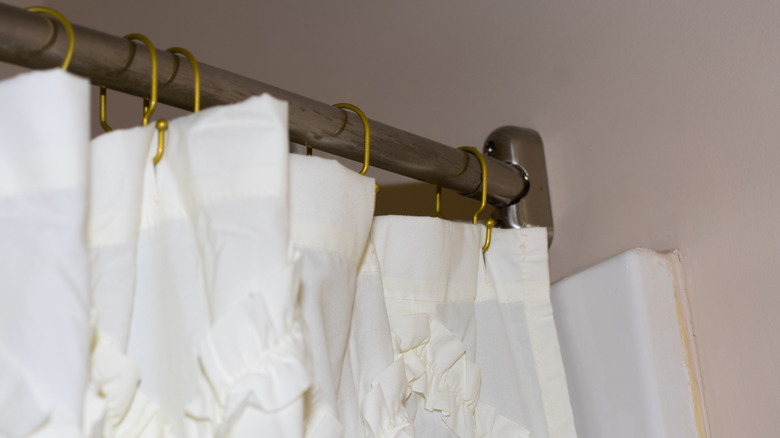
Many people don't think much about shower curtain rings, assuming that any old set will do. The problem is, the wrong rings can affect your curtain's functionality and your bathroom's overall appearance. Cheap plastic rings may work for lightweight curtains, but they often don't slide smoothly and can break over time. Metal rings that rust quickly are another common mistake, as they can make it harder to open and close your curtain, not to mention that they create an eyesore in your bathroom.
Invest in durable, rust-resistant rings that match your bathroom's overall aesthetic. This is also an easy shower curtain trick that'll instantly transform the look of your bathroom. Stainless steel, brushed brass, or high-quality metallic finishes not only look better, but they last longer, even in the humidity of your bathroom. If you want your rings to move along the rod smoothly, consider options with ball bearings, like the Titanker double-glide hooks, which allow your curtain to slide effortlessly without tugging on it. For heavier fabric curtains, choose sturdy rings rated for weight to prevent sagging. You may be spending a little more upfront for these, but quality rings reduce wear and tear on your curtain and enhance both style and convenience in the long run.
Installing your shower curtain the wrong way
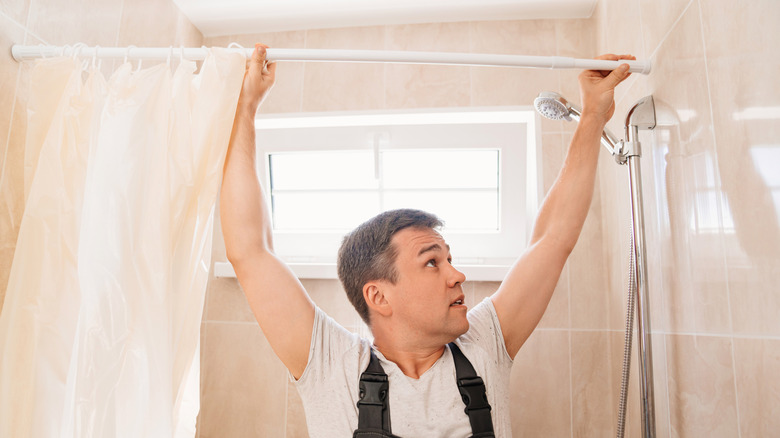
The final mistake many people make is not installing their shower curtain properly, often just hanging it wherever it feels convenient. However, this can result in water splashing onto your bathroom floor, moisture damage to the walls, or the curtain constantly slipping off the rod. Without taking measurements or planning the proper placement, even a high-quality shower curtain and liner won't work as they should.
The solution is to measure carefully before you install anything. Start by determining the curtain's length. It should hang about five inches below the edge of the tub or shower. Add four inches to the curtain's length to calculate the proper height of the rod. Use a tape measure to mark this height on each wall, ensuring that your marks are level. Install the rod at these marks, then attach the hooks to the curtain. These steps will make sure the curtain hangs evenly and prevent water from escaping your shower. It'll also reduce stress on the hooks and rod, helping them last longer and stay put.