

How Houseplants Are Making Your Home Smell Bad (& How To Prevent It)
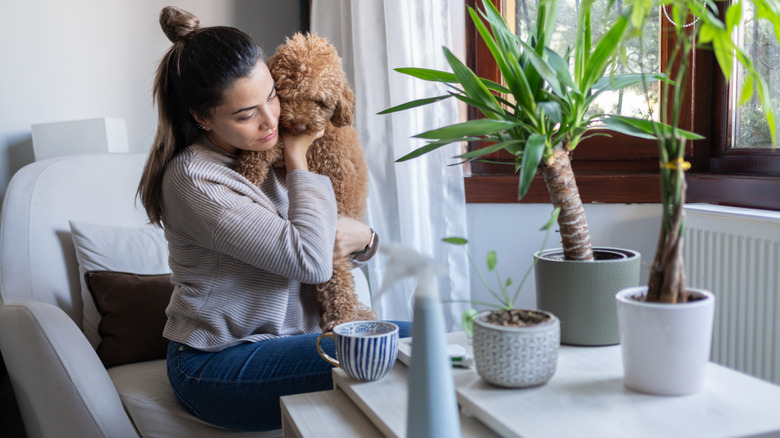
We put houseplants in our homes expecting them to bring a fresh and clean vibe. But when the same plants suddenly start pumping out a musty, nasty odor, it can completely ruin the effect you were going for. But you don't have to take out your plants just yet. Instead, make sure you're not overwatering them, which will prevent them from getting stinky. More often than not, the reason behind musty, bad-smelling plants is not the plants themselves but rather overwatered pots and soggy soil. This creates perfect conditions for odor-producing microbes and fungi that thrive in consistently wet potting soils.
The effect of this bad smell will be especially noticeable in small, tight spaces with poor ventilation. Also, it is not just the bad smell that you have to worry about. Overwatering can also lead to root rot, causing the plants to decay, which will not only make the plants smell even worse but will also make them turn yellow, wilt, and die if you don't take action quickly.
Overwatering causes bad smell, wilt, and other issues in plants
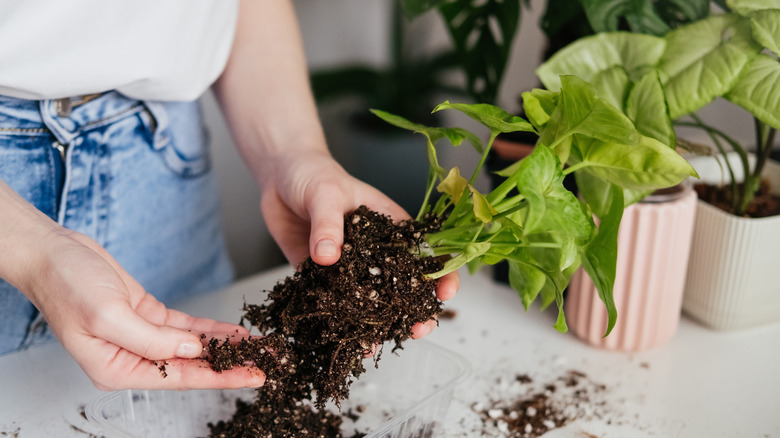
When you keep the potting medium consistently wet, it saturates the soil. This can push out oxygen and suffocate the roots. These low-oxygen environments are also the perfect sanctuaries for anaerobic bacteria, which generate foul, sour odors. Furthermore, when the roots are not getting enough oxygen, they start to become mushy, die back, and eventually rot.
Rotting roots cannot take up water and minerals, and they can produce water-scarcity symptoms like wilting in plants. Other symptoms include yellow, droopy leaves, as well as stunted growth and leaf drop. And then when these rotted roots begin to decay, the anaerobic bacteria in the soil break them apart, creating even more smell. That is not all, though.
Overly wet conditions also attract mold and pests like fungus gnats and mealybugs. Mold thrives in moist environments and creates moldy odors, while pests like mealybugs produce honeydew, which can grow mold and contribute to the stale smell. Combine all this, and the plant could smell so bad that you will want to throw it out, but you may not have to. If you catch the problem early, it is a simple fix.
How to and treat and prevent bad-smelling houseplants
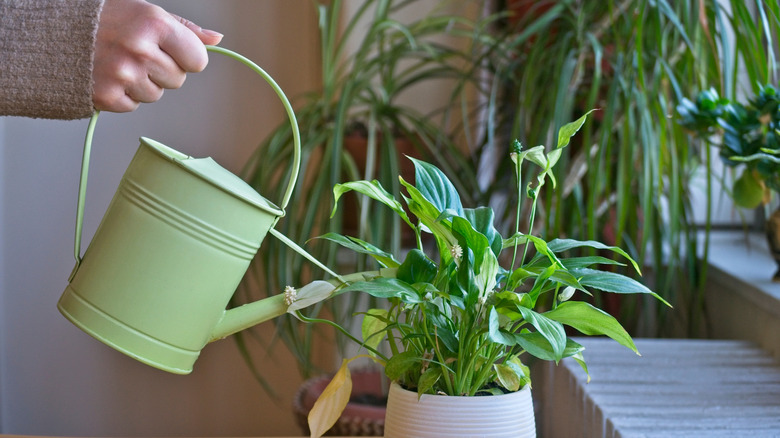
Effective odor control in houseplants begins with watering your houseplants the right way, which keeps soil moist but never overly saturated or waterlogged. Instead of following a rigid watering schedule, water only when needed after a proper assessment. Only water when the top 1 to 2 inches of the soil feel dry. This can be done with a simple finger test. Also, make sure that houseplants are placed in a well-drained potting mix and the pot itself also has drainage holes at the bottom.
However, if the plant is already smelly, you will need to take it out of the pot. Then, carefully inspect its root system and remove any roots that feel mushy, are black, or are clearly rotting. And if the soil smells bad, you might also need to replace it or sterilize the potting soil to help get rid of the smell and prevent it from coming back.