

How A Simple Can Of Paint Can Help You Fix Furniture
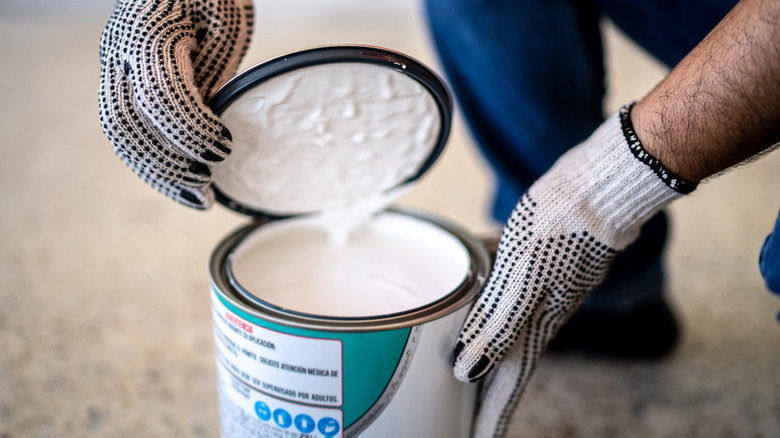
Salvaging antique furniture can be an ordeal in and of itself. Solid wood furniture may need to be cleaned, dried, reglued, or upgraded with new parts, while veneers could come loose and allow water damage or mildew to affect areas beneath the surface. Upholstered furniture adds even more complication, whether it's soaked through or needs to have some stuffing replaced. Modern furniture is just as susceptible to wear and tear, be it scratch marks from your indoor cat or damage from the elements (for example, wood shrinking or swelling in extreme rain and heat). Some repairs are going to be more involved and more expensive than others, but broadly speaking there's a lot you can fix and make spiffy with just a can of paint.
In terms of antiques, sometimes a DIY paint recipe is all you need to give outdated wood furniture a modern refresh. However, a new paint job helps almost any piece of furniture cover up its blemishes or better fit the interior design aesthetics you're going for. If a pre-existing coat of paint gets buffeted while you're moving your table, a new can of paint matching the color and sheen can replace it. If you accidentally take an entire chunk out of a chair leg, you could fill the gap with wood filler and hide the seams with some paint. Any leftover supplies from major home decor projects like painting your baseboards may be repurposed for the right subject, and a solid paint job can help you fix up both indoor and outdoor furniture.
Coats of paint will help your furniture look like new
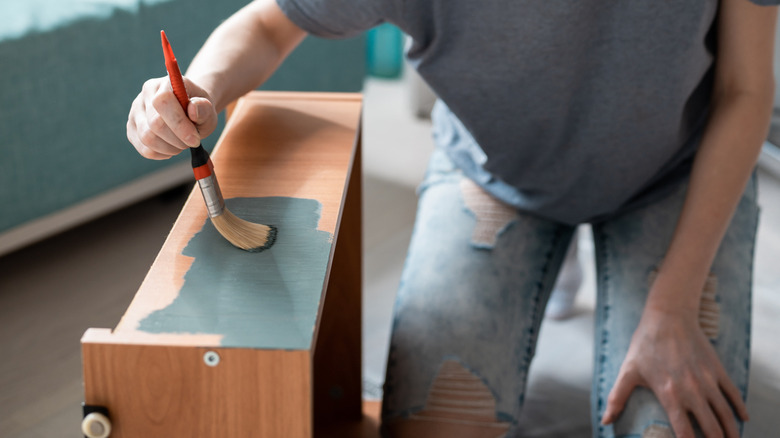
A can of paint is an efficient way to cover up any scratches, water damage, or other concerns you may want to keep out of sight from guests. You're going to want to use a primer before painting, especially on wooden surfaces, as this will block stains, hide previous colors, and seal the surface to prevent paint from soaking in. Having multiple layers of painting also helps fill in whatever scratches or cracks are leftover from your furniture damage or repairs, ideally making them harder to spot — especially if you use a darker paint color like brown or olive green. If you have a piece that needs a perfect paint color and sheen match, try to remove a roughly dime-sized paint chip from the piece to take to your local paint store. Or, you can collect some paint swatches close to the color you need and find the best match when holding them up to your furniture.
If there's extensive, unsightly damage that you want to fix up, consider grinding down the surface of the furniture with sandpaper. It's worthwhile to keep mineral spirits on hand for messy DIY wood-painting projects, because they can help you remove old paint, oil-based glue, or other residue you might be hoping to fix up. After using it, repaint the smoothed surface in whatever way you'd like. Even if you're painting your living room chair, it's often best to move the piece outside (as carefully as possible to avoid further damage) before you paint and let it dry. That will help keep your interiors paint-free, but it's still worth using tarps or drop cloths to protect your outdoor spaces and the environment from splashes of paint.
Paint can help you fix and prevent rust on outdoor furniture
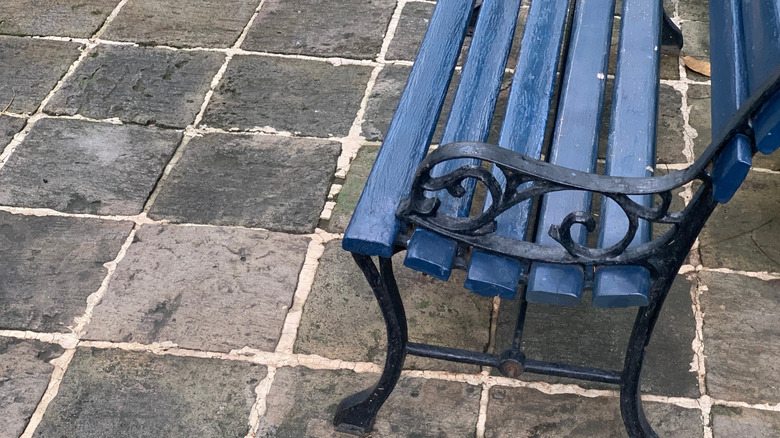
One might expect paint to be less desirable on outdoor furniture, since the elements can do a number on anything susceptible to cracking or peeling away due to moisture or heat. However, painting makes it easy to fix a particular problem well: rust. Wrought iron and other metals like aluminum are less susceptible to rain or snow damage than other materials that might otherwise be used on indoor furniture, but iron will naturally form ferrous oxide when exposed to water through oxidization. Rust is inevitable on certain pieces, but coating your furniture in paint helps prevent oxygen and water from coming into contact with it.
If you're too late to stop an onset of rust in your patio set, you can make rusty furniture new again with a few simple hacks. Steel wool is a great option to remove rust, as is a mildly acidic solution like vinegar. Once the removal is done, use some outdoor paint to cover over any rough, scratchy spots. Using rust-resistant primer on any exposed metal areas will help stop the buildup of rust beneath your new coat of paint, too. Coats of lacquer or wax help protect metals as well, and regularly dusting painted surfaces will promote a longer lifespan. Whether you're spending time indoors or out, doling out an extra coat of paint is an easy and effective way of fixing and protecting your furniture.