

Fiberglass Vs Pleated Air Filters: Only One Reigns Supreme For Your HVAC System
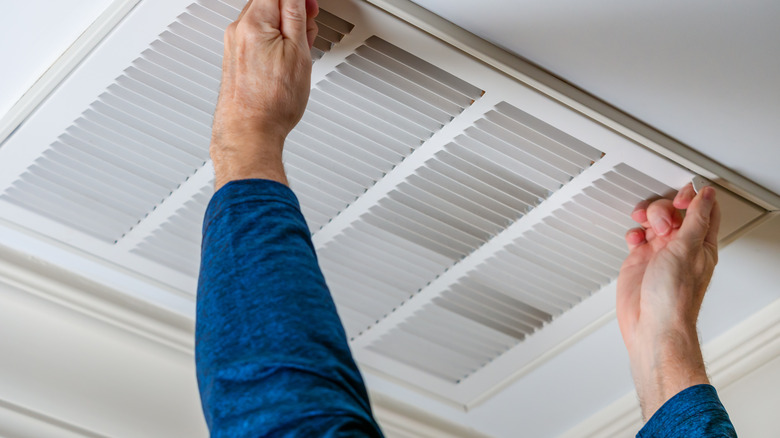
Keeping your HVAC system maintained with a clean and effective air filter is an essential part of achieving good indoor air quality. It's actually a maintenance task you should consider doing more often during your first year in a new home. But not all air filters work the same. Some are made of fiberglass, using a flat, single-layered filter that captures large contaminants from the air, like dust. Pleated air filters, on the other hand, are folded into an accordion-like shape that is designed to offer a greater surface area, filtering smoke, bacteria, and virus carriers.
This may leave you wondering if it's worth it to buy expensive air filters. The answer is a resounding "Yes!" Why? While pleated air filters are about double the price of fiberglass air filters, they clearly reign supreme for your HVAC system and your health. Overall, they require less work on your part, and they do a better job of cleaning the air. Not to mention, since you change them less often, you actually could save money in the long run.
Pleated vs fiberglass air filters: cost, quality, and lifespan
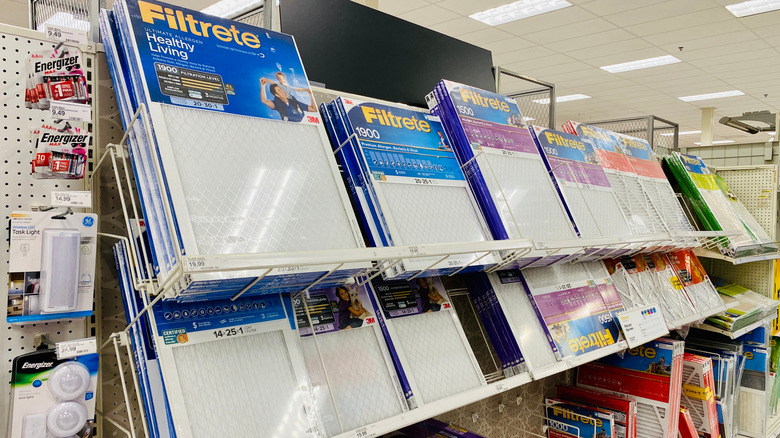
It is a common belief that fiberglass air filters can perform just as well as pleated air filters at a lower price. Unfortunately, the differences in these two types of air filters can make all the difference in the world, especially for sensitive individuals. To put it into perspective, consider the Minimum Efficiency Reporting Value (MERV), which is the index that measures how effective a filter is at removing particles from the air. A higher rating means more particles are filtered out of the air. The MERV of a standard fiberglass filter is around 2, while pleated filters have a MERV of around 11. Not only does that make the indoor air much more difficult for people with allergies to breathe, but it also puts extra stress on the HVAC system, which could lead to more maintenance costs down the road.
That's not the only thing that makes pleated air filters better. How often you need to change your air filter is dependent on the type of air filter you select. In fact, it is one of the main downfalls of using fiberglass air filters because they need to be replaced once per month instead of every three months. So while fiberglass filters are generally considered less expensive, they could actually cost more in the long run because you have to replace them more often. In addition, pleated air filters are biodegradable, making them a more sustainable option.