

Bypass Pruning Shears: How To Determine If They Are Right For Your Plants
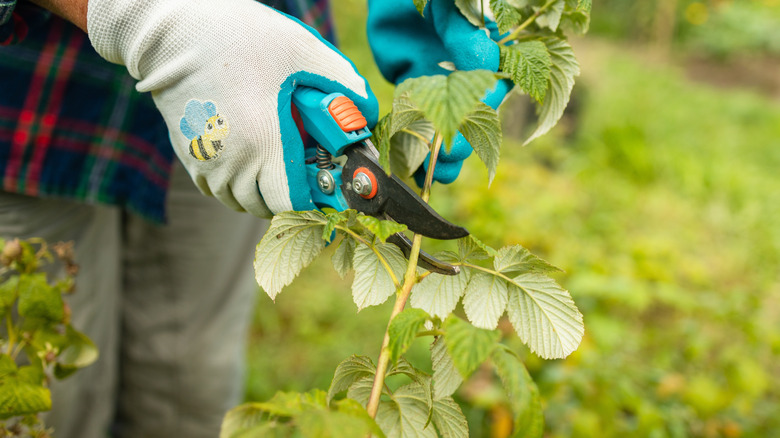
Bypass pruning shears are among the most popular tools in gardening. Almost everyone who grows plants, indoors or out, likely has a pair of these pruning shears — whether they know that's what they are or not. Bypass pruners come in various hand grips and sizes and work similarly to scissors, with two blades — one sharp and one dull — that slide past each other. Well-maintained and regularly sharpened bypass shears make extremely clean cuts, even on delicate plants. The way to determine if you should add bypass pruning shears to your gardening tool collection is to consider the plants, shrubs, and trees you need to prune. If you need to do a lot of precise cutting on live stems and have plants with branches less than ¾ inch in diameter, you need bypass pruners. Anything bigger, and you'll need different tools.
When deciding which pruning tool to use or buy, consider the size and age of the stems you usually trim. Understanding your plants' structure and your own pruning routine will guide you toward choosing tools that keep your garden healthy, manageable, and looking its best. Bypass blades, with their cleaner cut, are better for new growth, while mature branches need something sturdier, like the anvil pruners or loppers. It's also helpful to think about your pruning habits. If you really only undertake light maintenance throughout the year, such as shaping plants and keeping new growth tidy, bypass pruners will work just fine. However, if you're regularly cutting back thick-stemmed, overgrown, or older shrubs and trees, you may need a combination of tools: bypass shears, anvil shears, loppers, and even pruning saws for the very biggest branches.
Comparing bypass pruning shears with other, heftier trimming tools
Careful pruning is where bypass shears truly shine. When shaping perennial plants, reviving potted houseplants, or thinning vigorously growing shrubs, their smooth cutting action minimizes stress and encourages rapid recovery. A beginner gardening tip to prune your houseplants like the pros is to use bypass pruning shears. They deliver cleaner, less damaging cuts than crushing-style tools, like anvil pruners. What's more, bypass pruners are ideal for tasks like deadheading, tip-pruning, and maintaining overall plant form. This makes them invaluable for routine maintenance, where the goal is to keep your plants healthy and looking great. They work well for landscaping, too. For example, adjustable-grip bypass pruners, which adjust to different hand sizes, are one of the lesser-known lawn tools you'll wish you had sooner.
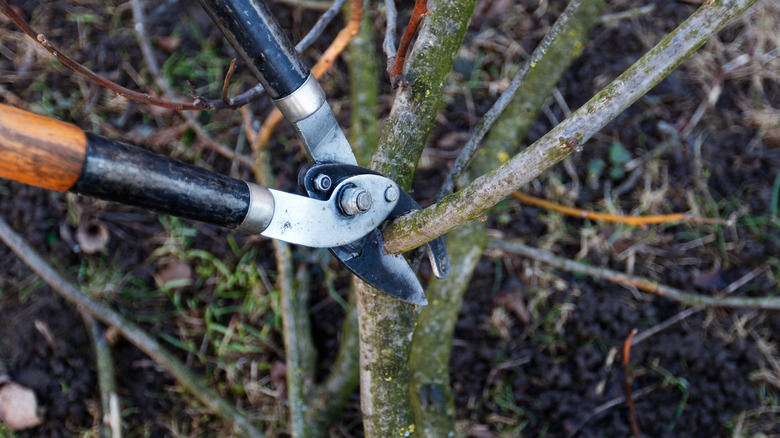
Bypass pruners are excellent for most everyday plant trimming tasks. However, there are some situations where a different tool will give you better results. Plants with older or woody branches are often too thick or rigid for bypass blades to slice through cleanly. Trying to force the blades through hefty stems can damage or even break the tool and leave the branch with a rough wound that may not heal well. For hard, thick branches, anvil pruners or lopping shears, one of the tree-trimming tools you simply can't go without, offer the added strength needed to do the job safely. These alternatives rely on leverage or sheer crushing power to break through dense plant tissue. Use them for seasonal clean-ups or reshaping overgrown shrubs and small trees.