

How To Update A Historical Home To Fit A Modern Family's Needs
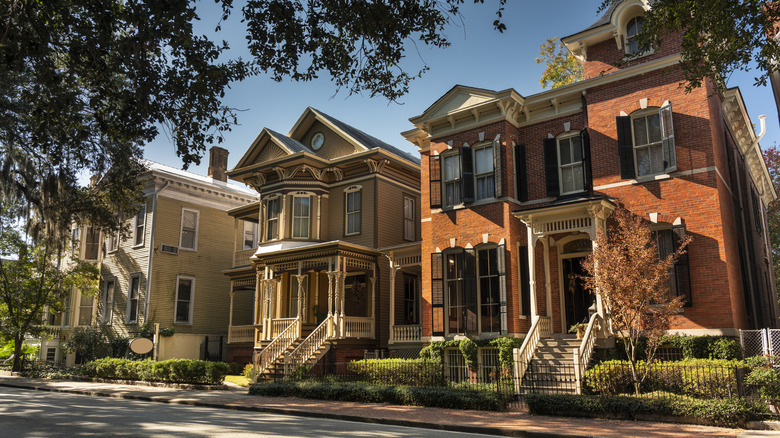
Newly built homes often lack the charm and attention to detail of older homes. Historic homes frequently have intricate trim work, high ceilings, sturdy framing, and more interesting floor plans. Older houses reflect the technology and infrastructure that were available at the time. As a result, they typically have smaller windows, fewer bathrooms, building materials that may not be up to modern health and safety standards — and bizarre layouts. To make a historic home work for your modern family, you may need to repurpose some rooms, such as a formal dining room, enlarge others, such as the kitchen, and build an addition, such as a two-car garage.
The way people live has changed in the past few decades, so home features that were popular 50 or 100 years ago are obsolete now. Think about how your family spends time at home and how you can modify the floor plan to better suit your needs. However, you may also be pleasantly surprised to find that some older houses have features that are back in style again. Open floor plans have been the norm for the past 20 years, but many home buyers are moving away from them because they're inefficient and don't provide enough privacy. As a result, many homeowners are adding walls and taking other measures to break up open floor plans — a step you may avoid with an older home.
Structural and nonstructural ways to update your floorplan
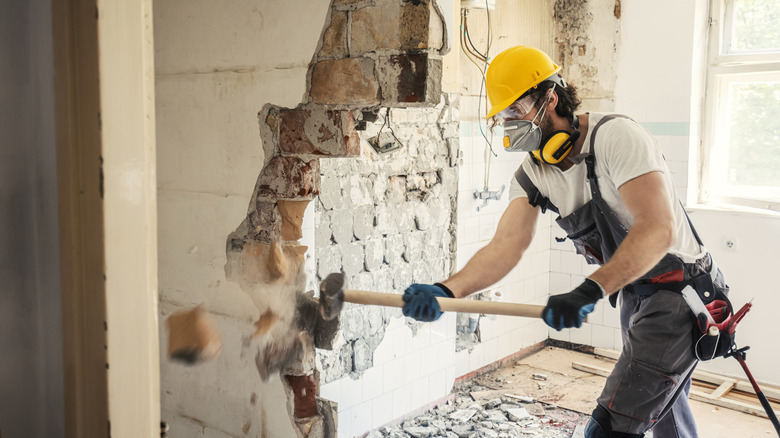
Before you start renovating a historic home, you should take the time to do some research. If your home is registered as a historic landmark, you may be severely limited in the types of upgrades you can do. You may need to work with a specialized architect, and you'll need to preserve documents related to its history.
Undoubtedly, your home's old-world charm is what drew you to it in the first place, so you want to preserve its personality and style while still taking advantage of modern conveniences. One way you can do this is by redefining the purpose of a room. If your family doesn't have three-course dinners every night, but you do work from home, you can transform a formal dining room into an office without any major renovations. Another way you can make your older house more usable without structural changes is by adding more storage space with furniture. Older bedrooms tend to have small closets, but a kitchen pantry cabinet for extra storage can be used in almost any room.
Kitchens and bathrooms typically need the most work. Historically, these rooms were smaller than their modern equivalents. They may also have outdated pipes and electrical wiring. When redoing these rooms, you'll want to stay as true as possible to the original era. You can do this by salvaging original elements when possible or using modern reproductions. Behind the aesthetics, elements such as the plumbing or wiring will need to be brought up to code. With a little creativity, you can turn the layout of your old home into something that best suits your needs.