

The Outdated Kitchen Appliance That Is Skyrocketing Your Energy Bill
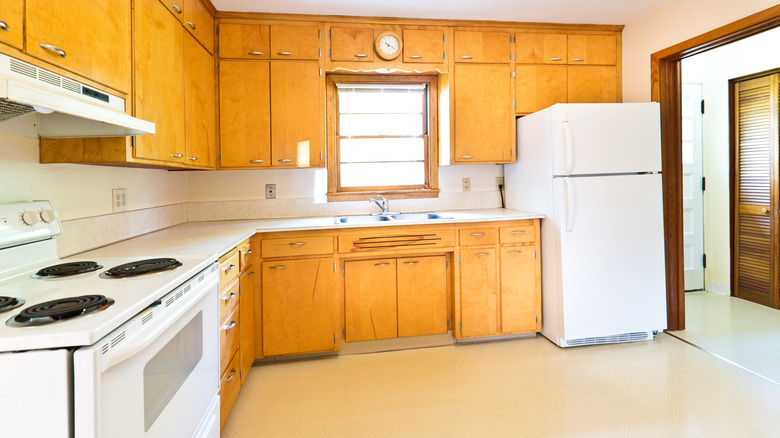
Few of us look forward to the arrival of the monthly electric bill, even if we're careful. If you are trying to reduce energy consumption at home, you need to consider the operating costs of old or outdated appliances. To find such culprits, look no further than your kitchen. That aging refrigerator is chief among the outdated appliances you should upgrade for better energy efficiency immediately. If it's running on fumes, it's very likely skyrocketing your energy bill. When ranking home appliances by how much energy they use, refrigerators often come out near the top. Unlike other appliances that are used intermittently, fridges are on all the time.
Upgrading to a new appliance will almost certainly reduce your utility bill. A new Energy Star-certified refrigerator uses about half as much electricity as an old, non-certified refrigerator. You can use Energy Star's Flip Your Fridge Calculator to determine exactly how much you would save. New fridges are a large purchase for most people. When deciding whether or not to replace this vital appliance, consider the age, energy usage, and condition of your existing refrigerator. Follow the 5-10-15 year rule. Don't replace a five-year-old refrigerator; wait until it reaches 10 years old to decide on replacement based on the factors mentioned. If your fridge is more than 15 years old, it most likely needs to be replaced.
What to consider when buying an energy-efficient refrigerator

To choose the most energy-efficient refrigerator for your kitchen, look for the yellow Energy Star label. It provides information that will help you make educated decisions about your purchase: refrigerator features, projected annual operating costs, and the appliance's estimated kWh usage. Use this information to compare refrigerator brands and maximize energy savings long-term.
There aren't any federal tax credits for upgrading to a new, more energy-efficient fridge or other small appliances, and appliances aren't checked as part of home energy audits. However, it's worth seeing if you qualify for any state-level residential energy efficiency rebates. Use the Rebate Finder on the Energy Star website or contact your local municipality for advice. Some manufacturers, such as LG, GE, Whirlpool, and Frigidaire, offer rebates on certain appliances, as do some utility companies. You may also be able to get a rebate — check or gift card — for responsibly recycling your old refrigerator through a recycling company.
Once you've got your new refrigerator home, there are a few things you can do to enhance its energy efficiency. For example, if the temperature is set too low, you could be wasting electricity. Your refrigerator should be set at 37 degrees Fahrenheit and the freezer at 0 degrees Fahrenheit. Keep on top of fridge maintenance, too. Every three months, pull the appliance out from the wall. Dust the coils on the back, remove and wash the kick plate, and clean the floor underneath.