

Plant This Stunning Blue Flower In December For Bountiful Blooms In Summer
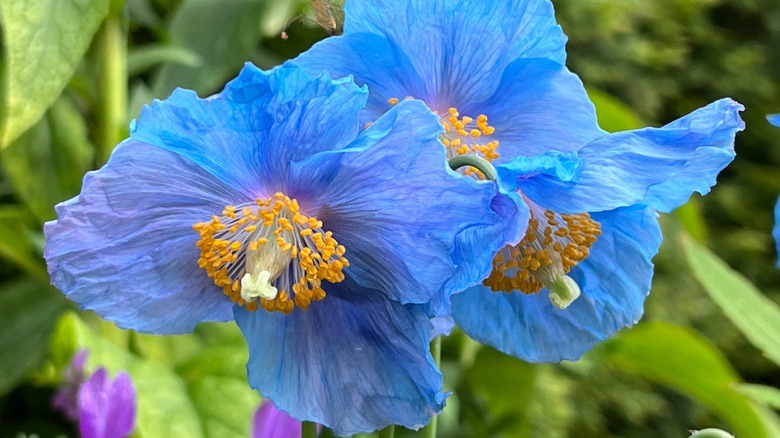
The last month of the year may not seem like the ideal time to be planting seeds, but there are a surprising number of flowers you can plant in December for a burst of winter and spring color. There are also those, like the stunning Himalayan blue poppy (Meconopsis betonicifolia), that will provide bountiful blooms from late spring and on through July.
Technically, these are not true poppies, but with their open, paper-like flowers and hairy leaves, they sure look like them. Some Himalayan blue poppies are perennial plants that will bring timeless beauty for years to come. However, others will die after flowering, so when you're buying seed, it's important to check the type. They grow anywhere from 3 to 5 feet tall, and then there's that vivid blue bloom. One of the rarest of flower colors that can add a unique touch to your garden.
Himalayan blue poppies aren't usually troubled by rabbits or deer, who don't seem to like the foliage. On the other hand, they are popular with bees and butterflies because of the nectar they produce.
Himalayan blue poppies can be challenging to grow
As you might guess from the name, the Himalayan blue poppy originates in the mountainous regions of China and Tibet. The seeds actually need a period of cold (called stratification) to wake from being dormant and start to germinate.
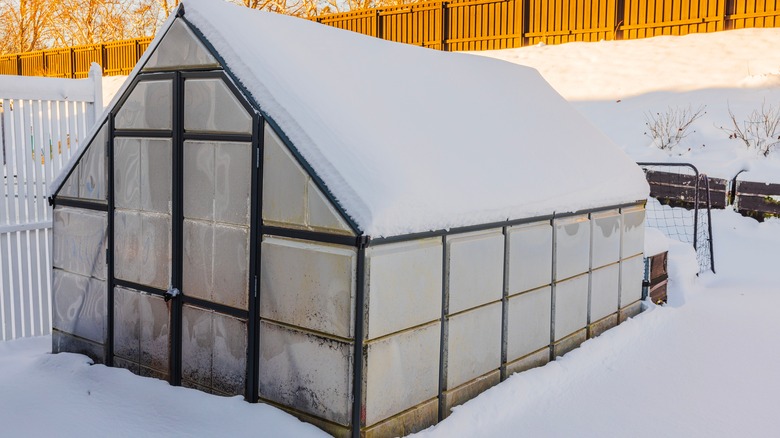
If you're planting seeds outdoors, then many of the usual tips for growing happy and healthy poppies can be useful. They need neutral to acidic soil that contains plenty of organic matter, but it must be well-drained. They like to be kept moist during the spring and summer, and they need dappled shade. They cannot tolerate full sun. If you want to start Himalayan blue poppies indoors, they should be sown in trays or individual pots with just a sprinkling of compost or grit over them. They need to be under cover because they don't like winter rain, but they don't need any warmth. In fact, frost will kickstart their growth.
Given their native climate, Himalayan blue poppies will be at their best in gardens in Alaska, Canada, and areas like New England and the Pacific Northwest. It will be difficult to grow them where temperatures regularly top 80 degrees Fahrenheit. If you're looking for stunning blue flowers you can grow in full sun, try cornflowers, delphiniums, or Echinops bannaticus (globe thistle).