

Winter Is The Best Time To Shape Pansy Plants - Here's How To Do It For Nonstop Blooms
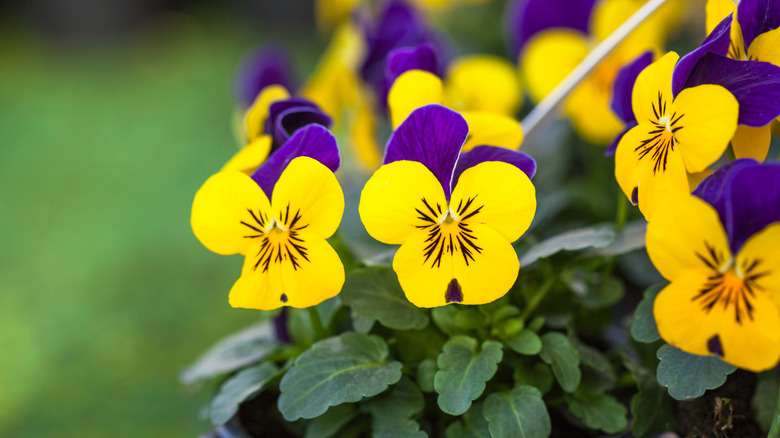
If you want a steady stream of colorful flowers in your garden from fall well into spring, you need to know a gardening secret. The season most people think of as a time for resting, winter, is actually the best time to shape your pansy plants. Many gardeners assume their work is done once the cold settles in, but giving pansies (Viola × wittrockiana) a little clean-up when it's cold results in the best pay-off later, so knowing how to prepare pansies for winter comes in handy. These flowers are grown as annuals across the country, but they can survive the winter and bloom as short-lived perennials in USDA Hardiness Zones 8 through 11.
Letting your pansies become thin and long will result in fewer flowers. You can promote a bushier, more bloom-heavy plant by addressing its tendency to get leggy. Shaping them is easy; deadhead and cut back the stems that look long and bare. Trimming these scraggly parts, usually by removing about a third of the stem's total length, forces the plant to stop making seeds and focus on making new flowers. The transition period in late winter, when the days get slightly warmer and brighter, is when the pansies start preparing for their next growth spurt. That trim you gave them lets the plant bounce back quickly, guaranteeing a colorful bloom that will last for months.
How does cutting back pansy stems in cold weather make the plant fuller?
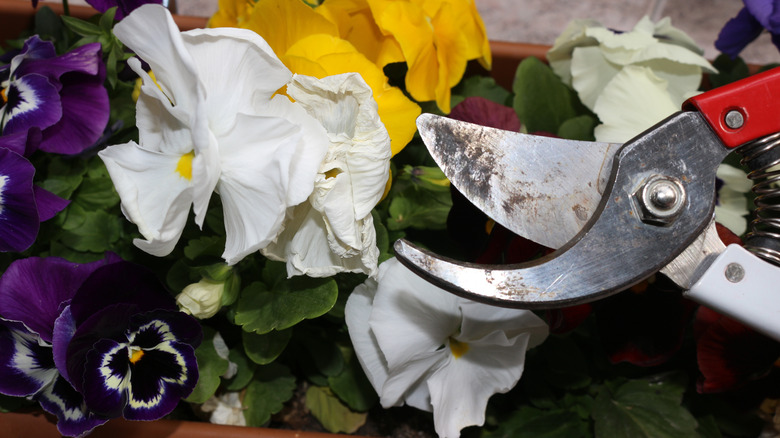
The growth pattern of pansies naturally forces them to stretch out and become more sparse if you leave them alone, especially when light levels are lower or when a warm spell triggers rapid growth. Gardeners call these "leggy" plants. Solving this issue is important for keeping that nice, full, mound-like shape and ensuring the plant produces the maximum number of buds. Trimming pansies in late winter is useful because the cold provides a natural rest period, giving the plant time to build up its energy and heal before spring arrives.
Removing up to a third of the plant tells it to stop sending energy to the ends of the stems, which are programmed to grow longer. That energy moves instead to the lateral buds located lower down on the stem. This trim forces the plant to branch out horizontally rather than reaching for the sky. The result is a much thicker, rounded plant that will be covered in flowers. You'll find that pansies react strongly to this more aggressive type of pruning. In just a few weeks, you should start noticing new leaves and the beginning of new flower buds. Getting rid of that tired, stretched-out growth is great for the overall health of the plant. It allows air to circulate better around the base, helping prevent diseases like gray mold and leaf spots that love old, crowded foliage.
How to support pansies so they continue to flower throughout the season
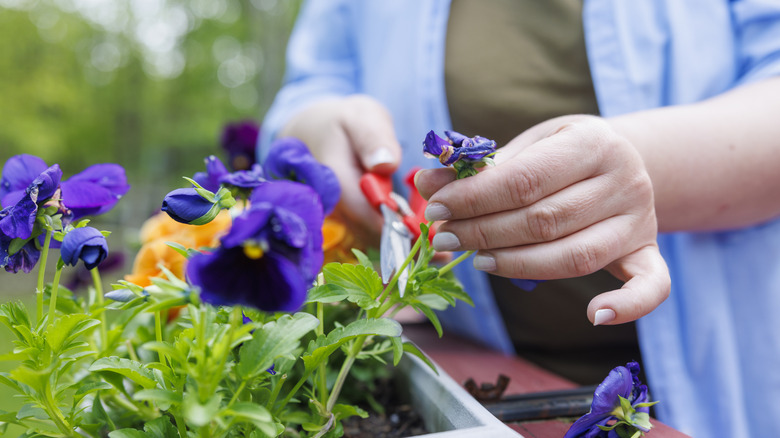
Giving your pansies a trim in winter is helpful, but to get flowers throughout the cold season, they need steady care. Understanding everything you need to know before planting pansies is important for having healthy plants. A mistake that many gardeners make when deadheading is only pulling off the dead flower petals. This leaves the small green seed capsule, the actual seed pod, on the stem. If that seed pod stays attached, the plant decides it's finished its cycle. It will then stop or slow down flower production to use its energy for maturing those seeds.
Instead, you need to remove the whole flower stem. Follow the stem all the way down to the base of the foliage or where it meets the main plant, using clean clippers to snip it. Water and food are just as important, especially if you garden in a spot with mild winters — pansies like soil that drains well and stays slightly moist. During any dry periods when the temperatures are above 32 degrees Fahrenheit, they will need water, even in the middle of winter. The common mistake that's sure to kill your pansies is overwatering. Never let them sit in soaking-wet soil, which can cause root rot. Using a balanced fertilizer will increase the number of flowers. Always water the plants before applying fertilizer to keep the roots from burning, and follow any other manufacturer's instructions. If you live somewhere very cold, wait to feed them until the weather warms up, since they won't absorb nutrients during a freeze cycle.