

What To Do If You Suspect There Is A Gas Leak In Your Home
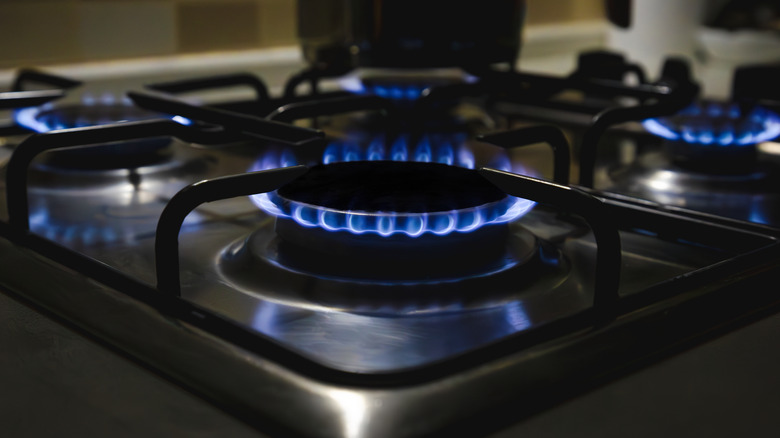
That intense, sulfur-like stench of rotten eggs is probably one of the most concerning smells you can have inside your home. That distinct odor is added to naturally odorless gas and serves as the most obvious warning of a leak. If you recognize that scent, you have a short period of time to react. This requires taking immediate safety measures to prevent gas explosions at home.
When you notice signs of a natural gas leak, quick, calm action is necessary to protect your household. Gas is highly flammable, and if it accumulates inside your home, it creates a dangerous environment. While a sulfur odor is the most common sign, you shouldn't ignore other clues. Listen closely for a faint hissing sound near a gas line or appliance. Outside, you might see bubbling water in a nearby puddle or an unexplained patch in your yard where a buried line runs. If you see any of these signs, leave the building and prevent any sparks. Don't attempt to locate or fix the leak yourself, and don't stay in your house to see if the smell goes away. Getting everyone — including pets — safely outside right away is the best step you can take.
How to evacuate your home safely when you smell gas
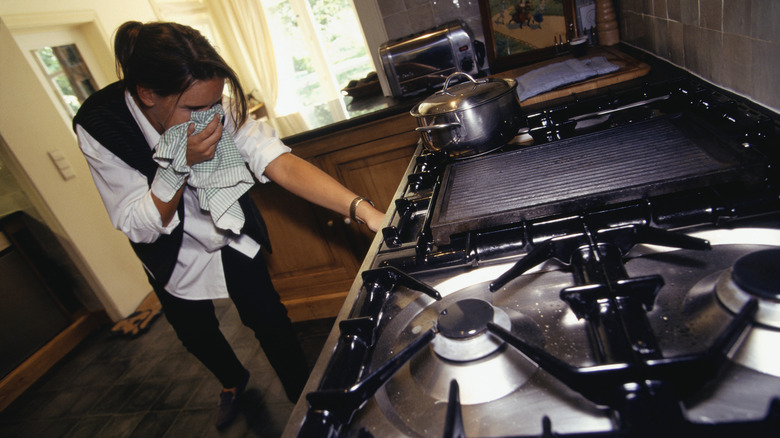
One thing to keep in mind when leaving your home is not to do anything that might generate a spark. Don't touch any electrical devices, including your cell phone. That includes avoiding light switches, unplugging appliances, operating the garage door, or even pressing the doorbell. The smallest spark has the potential to ignite the gas in the house. This is why the device that makes your home safer, a gas detector, is so important. Wait to use your phone until you're outside and away from any leaking gas lines. If your television or radio is already on, just leave it. If the lights are off, leave them off.
Also, avoid trying to locate the leak or make any repairs. Fiddling with pipes or appliance connections without the proper training can be dangerous. You need to rely on certified professionals to handle the leak and make any repairs. If you can do so quickly, open doors and windows on your way out to help ventilate the home. Getting fresh air moving helps disperse the gas as you're leaving. Your priority should be to get outside quickly to a spot that's well away from the house. Getting some distance can protect you from exposure and separate you from a possible ignition point.
Where should you call for help during a gas leak?
Once you've left your house and gotten down the street or to a neighbor's driveway, it's time to call for help. Dial 911 first, followed by a call to your local gas company. Making the call from a safe distance makes sure that your phone won't become a hazard near a gas leak. Explain the situation, give your address, and describe the warning signs of a gas leak in your home, including if it was that rotten egg smell, a strange noise, or another sign.
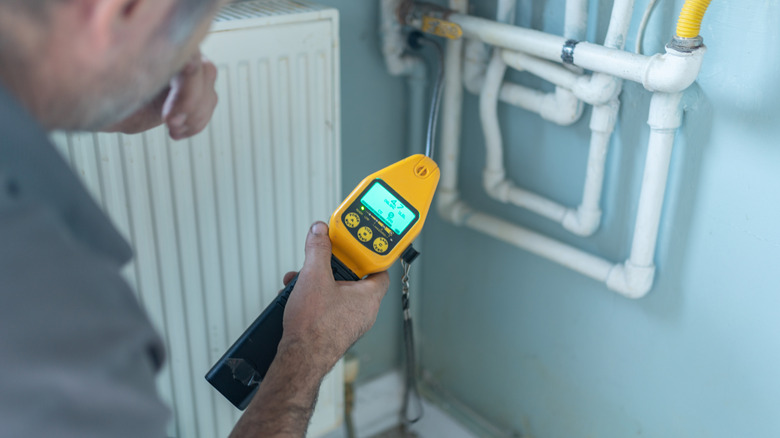
After calling for help, you should stay away from your house and wait for the gas technicians or the fire department to arrive. Never reenter the home, even if the odor seems to fade. Trained professionals have the right monitoring equipment to test the air and confirm if the area is safe before anyone gets permission to return. They will find the source, shut off the gas, and make certain it's no longer a risk. They can also check nearby homes if the gas has seeped through the ground.