

Wood-Burning Stove Maintenance Tips You'll Wish You Knew Sooner
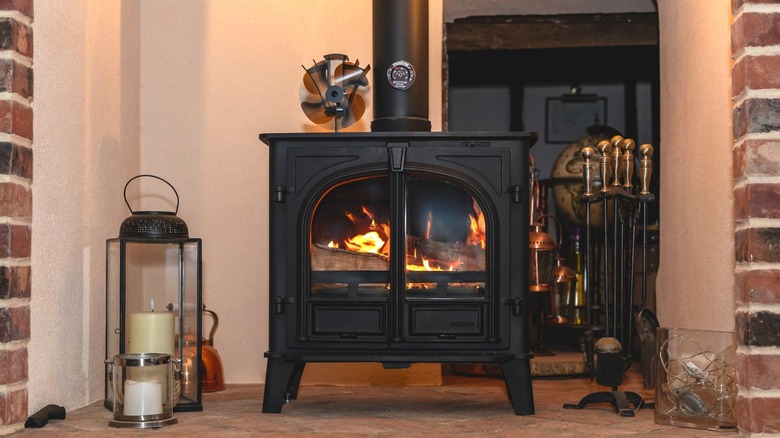
When winter approaches, many wood-burning stove owners feel a swell of excitement knowing it won't be long before they can once again enjoy cozy nights inside and around a warm, crackling fire. Seeing that the wood-burning fireplace trend is back, it might be your first winter owning one, and you're probably eager to light as many fires as possible. After all, it doesn't just provide heat — a wood stove brings a charming ambiance to your space during the colder months. But before you make lighting a fire your nightly ritual, there are a few maintenance tips you'll want to know so you can burn safe, efficient fires for years to come. And even if you've owned your stove for a while, it's as good a time as any to brush up on these essentials, too.
The first and most obvious thing to note is how important it is to keep your stove clean. Ideally, you should be cleaning it at least a couple of times weekly. If not, ash buildup could cause your fires to produce more smoke than flame, per Scan Stoves. Just make sure the ashes are fully cooled before starting the cleanup. But don't remove all the ashes! You'll want some left behind on the bottom (about 1 inch, ensuring ash is not touching the bottom of the grate) to help insulate the oven and make it easier to start your next fire. After taking care of the ash, clean the interior surfaces with a wire brush — one of many vintage fireplace accessories you can look for at the thrift store — to remove any soot buildup. Then, to keep your view of the flame clear, wipe down the glass window using a damp piece of paper towel dipped in leftover ash.
More maintenance tips for a happy wood-burning stove
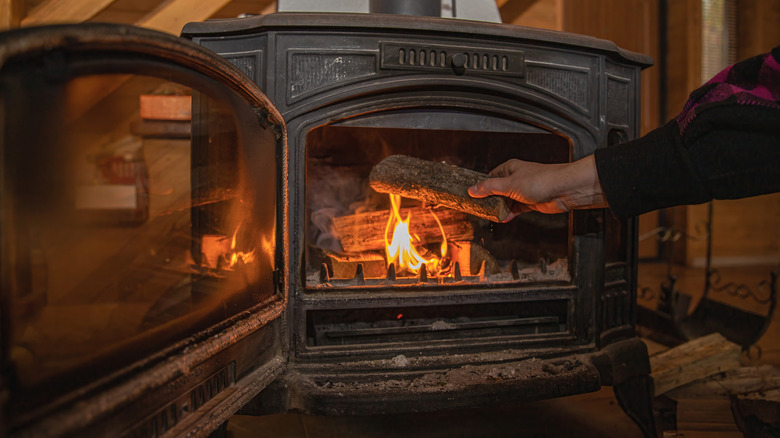
While keeping your wood-burning stove clean is key to keeping it running smoothly and safely, there are other important maintenance tips to keep in mind — including regular inspections. The flue (the pipe that creates the chimney channel) should be checked before the start of every winter season to make sure it's clear of blockages and buildup. Any new wood-burning stove owners should be aware of creosote and the fire hazard it poses when it builds up along the exhaust path. The average cost of an annual flue pipe or chimney inspection and sweep may range from roughly $90 to $400, depending on where you live, but it is essential for the safe upkeep of a wood-burning stove. You'll also want to check the seal on the stove door — if it's damaged or worn, extra air can get in and reduce the stove's overall efficiency.
Another important detail to consider is the type of wood you're burning. Although it might not seem like a maintenance task, choosing the right wood can make all the difference, while choosing the wrong type could create too much smoke, leading to less flame, less heat, and excessive soot buildup. The best firewood for a wood-burning stove is seasoned hardwood with a low moisture content. Oak and ash are some of the best for producing minimal smoke and burning at a slow, steady rate, while Charnwood notes that your wood should have 15% to 20% moisture levels for optimal heat output and efficiency.