

What Defines Renaissance Styling In A Home?
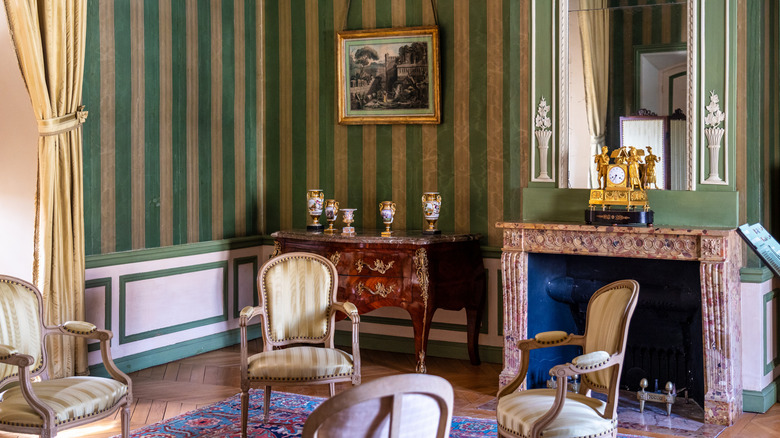
Some of the most beautiful home styles are influenced by the architecture and interiors of the past. One of our favorite eras to draw inspiration from is the regal Renaissance style. If you need a refresher on what the Renaissance is, it was a historical period in Europe that lasted from about the 14th century to the early 17th century. The Renaissance, which means "rebirth" in French, saw an explosion of new ideas in the arts, science, and architecture, as well as the revival of Classical knowledge from Ancient Greece and Rome that had been mostly lost during the Middle Ages. While you may be familiar with some Renaissance artistic achievements, like Leonardo da Vinci's "Mona Lisa" or Michelangelo's Sistine Chapel, another area that was revolutionized during this period was home interiors. From classical lines and symmetry to elegant columns and richly decorated inlaid furniture, the Renaissance made its mark on home styles by borrowing from the past and giving it a modern twist.
Of course, it's important to note that when we're discussing Renaissance home styles, we're mostly referencing the styles used in the homes of the noble or elite. Home ownership during the Renaissance was incredibly rare, and the average person in Renaissance-era Europe lived in a humble dwelling and didn't have the time or the means to worry about fashionable interiors. However, members of a burgeoning class of wealthy merchants and bankers who could afford to pay attention to home decor adorned their homes with art and rich furnishings. Many of the ornate decorative styles that emerged during the Renaissance are still admired and copied in homes today.
Characteristics of Renaissance home style
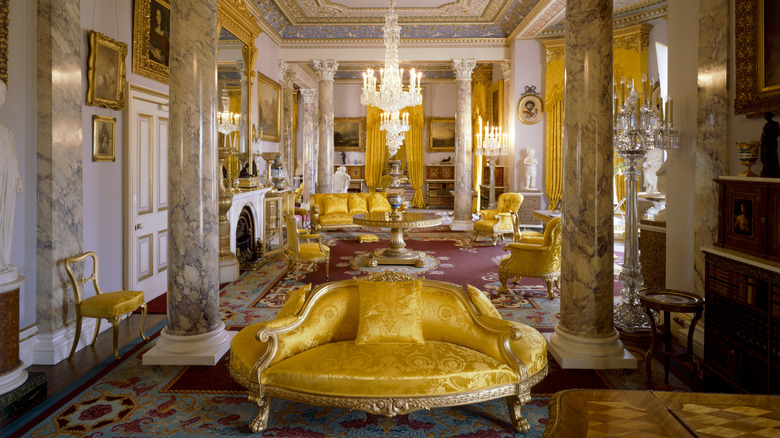
"Renaissance style" is a very broad term. The Renaissance was incredibly diverse, gradually spreading from Italy to Northern Europe, so Renaissance home styles were varied throughout different parts of Europe. English Tudor houses, for example, were built during the early period of England's Renaissance, but that style looks very different from what you'd find in Italy, where the Renaissance is thought to have originated. The style at the beginning of the Renaissance was highly classical, drawing inspiration from the symmetrical design elements in Ancient Greco-Roman design. It looked very different by the end of the Renaissance, when it became more ornate.
When we think of Renaissance-style interiors today, we often recall those that were heavily influenced by the classical aesthetic. Symmetry and mathematically-perfect ratios were incorporated into buildings' façades and interiors. Columns, arches, and domes were central to Renaissance home design, which during the latter part of the Renaissance evolved to include more decorative elements than the Greeks or Romans would have used.
Decorations inside the home also took cues from ancient predecessors. Small decorative bronze figures, which had been favored by the Romans, became popular again, and the metal became a fashionable material for other objects, like candlesticks and lamps. Furniture designers adopted other techniques used in Ancient Rome, such as inlaying materials like ivory and mother-of-pearl on the backs and seats of various pieces. Decorative motifs borrowed from antiquity, such as cupids, garlands, and cornucopias, also featured prominently in Renaissance interiors. And, with more individuals (rather than just churches) able to patronize art, the works displayed in homes became more secular than ever before — depicting nature and people instead of only religious figures.
How to incorporate Renaissance styling in your home
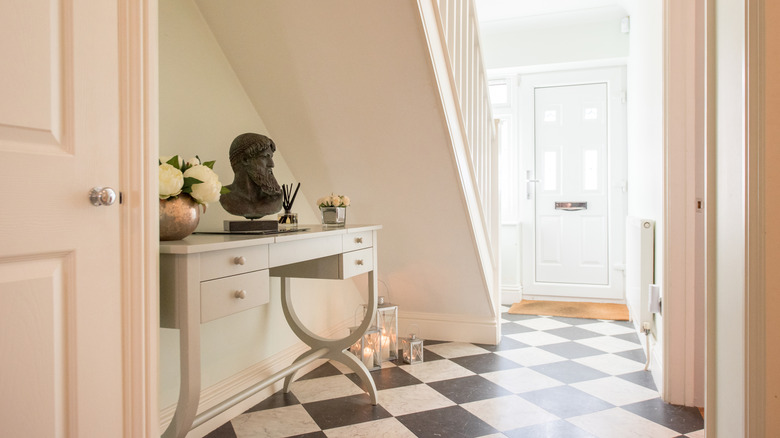
To get a taste of Renaissance style in your own home without breaking the bank (and in a way that still feels chic and modern), consider pulling in individual design elements, like a marbled checkerboard floor in the classic black-and-white Harlequin pattern — a floor style that's actually trendy again. This design pays homage to the Renaissance era's love of symmetry and was popular during the early Italian Renaissance. Hand-painted murals and frescoes are full-scale, luxurious investments that may not appeal to everyone, but you can still adorn your walls as the Renaissance nobility did by using intricate, colorful wallpaper. Go for a scenic mural wallpaper, perhaps depicting pastoral scenes or nature, or experiment with hanging large tapestries in rich colors.
You could also try decorating your home with antiques that reflect the Renaissance aesthetic. You'll probably have a hard time tracking down (or affording!) antiques from the Renaissance era itself, but you may have luck with finding vintage items from the Italian Renaissance Revival. This period lasted from the late 19th century to the early 20th century and drew on similar classical designs. Look out for decorative items such as portrait medals, a centuries-old wall decor trend that's making a major comeback, which were originally created during the Italian Renaissance.