

The Delicious Fruit You Can Plant In The Winter For A Tasty Harvest Come Summer

Who says gardening has to stop when the snowflakes start to fly? Getting outside and plucking sun-ripened berries in the height of summer doesn't have to begin with a rush of spring planting. You can start the process when the ground is cold, giving your plants a head start for the coming season. The fruit that really benefits from this strategy is the raspberry, and knowing the best time of year to plant a raspberry bush is the key to success. You can use less expensive bare-root raspberry plants by putting the canes in the ground during their resting season, which is usually late fall to early spring. This ensures that the roots settle and develop under the cold soil while the plant takes a break, preparing it for rapid growth when the temperatures rise.
If you wait until May to plant, the roots struggle to get established, while trying to support sprouting new leaves. By planting early, you skip this step, which can lead to a stronger plant. The early start works well for raspberries and often results in a larger fruit production when summertime rolls around. Getting these plants into the ground while the weather is chilly is an excellent way to get ahead of your growing calendar.
Getting the right soil conditions and preparing the ground for planting bare-root raspberry canes
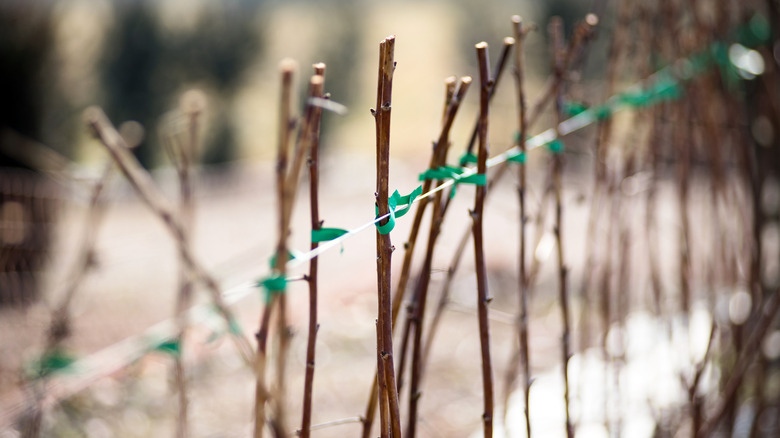
Raspberry canes (Rubus idaeus) need certain conditions to really grow well, especially when you're putting dormant, bare-root stock into the ground during the late winter or early spring. Knowing how to grow and care for a raspberry plant starts with understanding its needs. These tough plants can handle cold weather easily, thriving in USDA Hardiness Zones 4 through 8, though certain types do well in Zones 3 and 9. You should always plant them the minute your soil is ready to work, meaning the ground has thawed enough so you can easily dig into it. Raspberries need good drainage. If your yard has heavy clay, consider building mounds for the rows or creating beds to lift the planting area above the natural water line.
What is in the soil also matters. Raspberries grow best in rich material that is slightly acidic, ideally with a pH between 6.0 and 6.8. About two weeks before you plant, mix in a few inches of aged compost or manure to enrich the soil and improve texture. When you get your bare-root canes, it's helpful to hydrate the roots by soaking them in water for one to two hours. When you are ready to plant, separate them about two to three feet apart within the row, making sure you don't place the crown too deep. The plant's crown (where the stem connects to the roots) should sit just above the soil line to prevent rotting.
How to prune and support raspberry plants in the first year for a better harvest
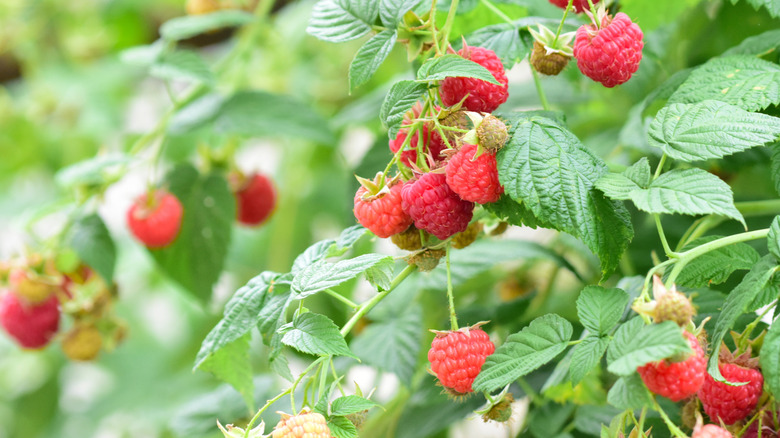
Taking care of your raspberry plants during the first season after planting is just as important as how you prepare the ground. Raspberries are technically perennial plants, but their individual stems, or canes, only live for two years before they produce berries then die. This means pruning is important for getting the most fruit and improving the overall health of the plant. Learning how to winterize your raspberry plant is also vital for its ongoing care. For canes that you have planted from bare-root stock, you should allow them to grow a strong root system, rather than trying to grow a lot of fruit right away.
Many gardeners recommend cutting the cane you just planted back quite a lot (sometimes down to about six inches) right after you put it in the ground. This cut, which might seem extreme, forces the plant to focus its energy on growing roots. Throughout the summer, new shoots, called primocanes, will grow from the soil. These are the canes that will grow the berries you'll harvest the following summer. If you're growing everbearing types, these primocanes might grow a small crop in the late summer or fall of their first year. Since raspberry canes grow tall and often fall over when they are loaded with fruit, setting up a trellis system is suggested after planting. Posts with wires stretched between them can keep the plant upright, which helps increase air circulation, minimizes disease, and makes the berries easier to pick when the time arrives.