

10 Brown Materials That Give Your Compost Pile A Serious Carbon Boost
We may receive a commission on purchases made from links.
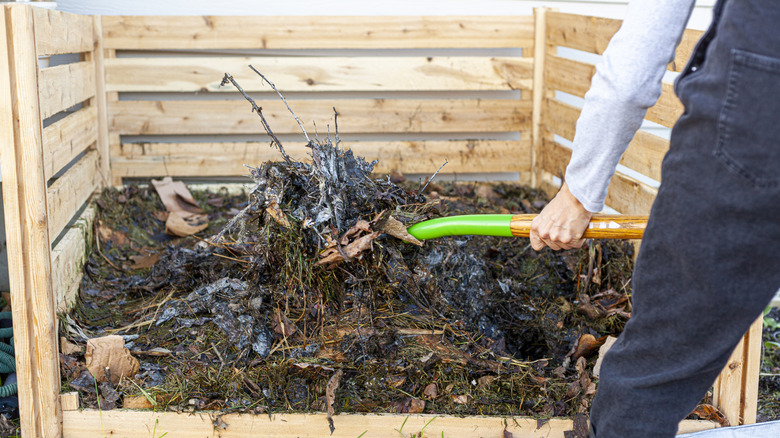
Have you just started composting? Here's what you should and should not add to your compost. When it comes to composting properly, the rule of thumb is typically three parts browns for every one part greens. What do these odd color references mean and why are the ratios important? Brown materials are necessary for a compost pile because they are rich in carbon, which is an essential or primary nutrient for plants. This includes biodegradable materials like ink-free and unbleached cardboard and paper, twigs and dry stems, fallen leaves, corn cobs and husks, pinecones, tree bark, straw, and more.
Carbon is typically found in organic matter that's slow to decompose — and this is another reason why your compost pile needs carbon-heavy or brown materials. Carbon helps the compost stay aerated, well-structured, and porous. Greens, on the other hand, are rich in nitrogen. Nitrogen aids in decomposition through the compounds ammonia and ammonium. Plus, it adds oxygen, controls temperature, and balances pH levels. Balance is key for proper composting. If a pile is too dry and has too much brown matter, it needs more greens. In that case, your compost is begging for your leftover grass clippings and coffee grounds. Too much green in your compost makes the pile dense and wet. You need to add more brown.
Fallen leaves
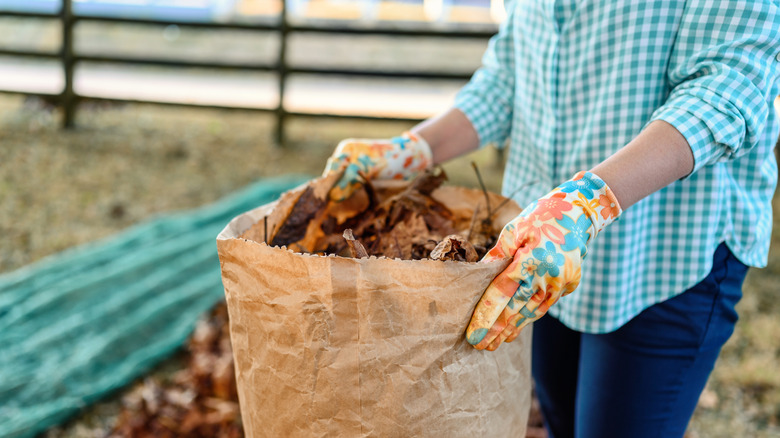
As you may have guessed, dry, dead leaves are a popular brown addition to a compost pile. The next time you rake up all those fall leaves, keep them for composting instead of tossing them in the trash or green organics bin. The leaves discarded by deciduous shrubs and trees are full of plant nutrients, specifically carbon, which is vital for a healthy compost pile. The most beneficial tree leaves for your compost include ash, maple, poplar, and willow. It's recommended to avoid using eucalyptus or black walnut tree leaves due to the natural herbicides they contain.
Twigs and dry stems
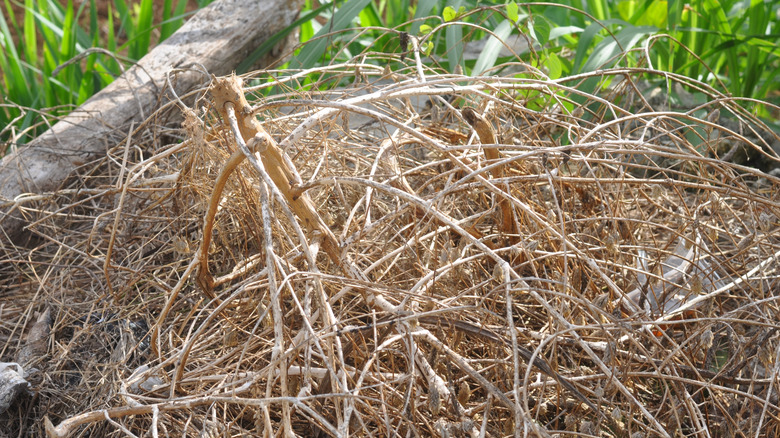
Twigs and dry stems are excellent brown additions to your compost pile because they're high in carbon. You will need to break them down into smaller pieces before adding them to your compost. Any pieces over about 1 inch long should be snapped in half. The tough material breaks down faster in your compost this way. If you mostly have large branches, rent, borrow, or buy a woodchipper — this Yeryork 15-Amp Shredder costs about $130 — to make the process easier.
Shredded paper
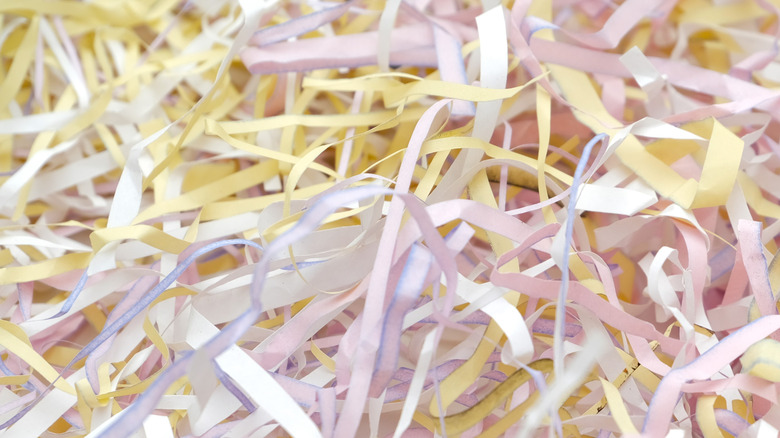
Believe it or not, shredded paper counts as a brown, or a source of carbon, for your compost pile. However, avoid adding any glossy, colored, plastic, inked, or stapled paper to your pile. They may contain heavy metals, which are toxic for plants and your garden ecosystem over the long term. Good sources of paper for your compost pile are newspaper, paper towels, office paper, and brown paper bags. Reusing tissue paper is a smart solution, too. You can either shred the paper using a shredder or tear it up into small pieces by hand.
Pinecones
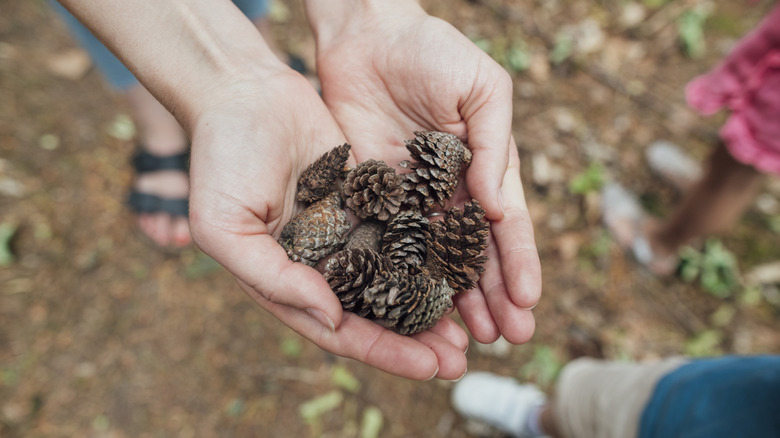
If you have a pine tree in your backyard that litters your lawn with pinecones, gather them up periodically and use them in your compost pile. They are a great brown material. Pinecones take a while to break down if left to their own devices. Cut them into smaller pieces by running over them with your lawn mower or set them aside in a separate pile and wait for them to decompose before adding them to your compost. While you risk adding too much acidity to your pile with fresh pinecones, decomposed cones contain significantly less acid.
Houseplant trimmings
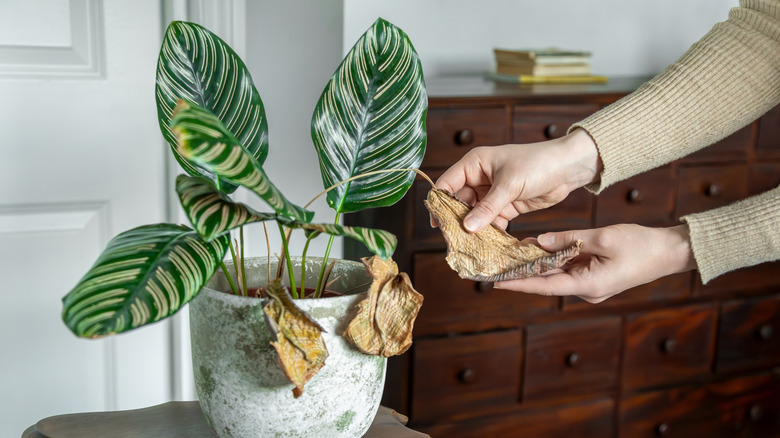
If you have a houseplant that has seen better days or hasn't responded to multiple revival tactics, it might be time to say goodbye. Before you throw it away, consider adding the entire plant to your compost pile. Not so fast! You don't want to add a diseased plant to your compost pile. Make sure the plant is free of any pests or diseases or you risk contaminating your compost. If the plant is infected, dispose of it in the trash. You can even use trimmings from healthy plants as compost additions.
Sawdust
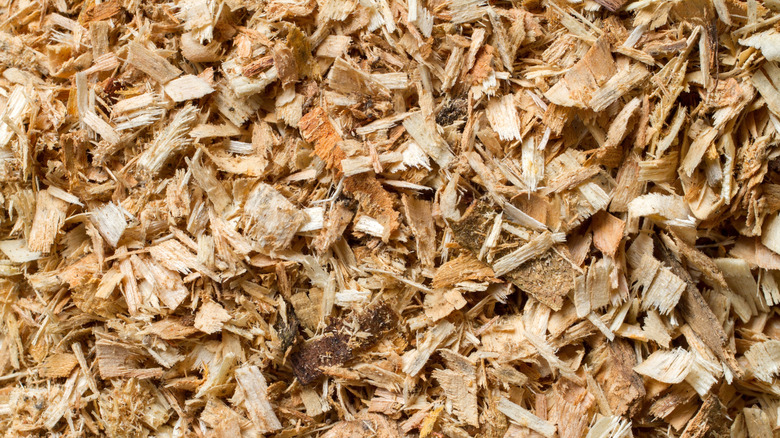
Since sawdust is comprised of fine wood particles, it can also be a healthy brown material for your compost pile. It contains nutrients, including that coveted carbon. Ensure that the sawdust comes from untreated, chemical-free wood. You should also soak the sawdust in water before — or at the time of — adding it to your compost pile. Likewise, always add green material that is high in nitrogen at the same time as adding sawdust, such as used coffee grounds or grass clippings.
Straw
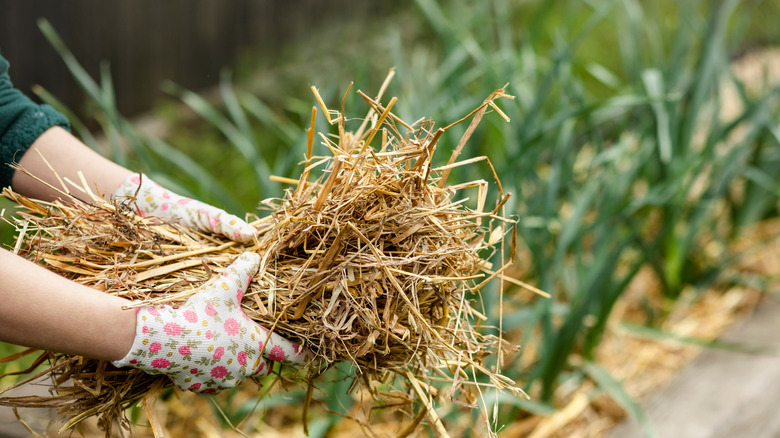
Another easy brown material to add to your compost pile is straw. Besides being a great source of carbon, straw also contains nitrogen, potassium, and phosphorus. Similar to twigs and pinecones, you will want to ensure the straw is broken down into small pieces so it decomposes quickly. Straw alone, however, will not create a healthy compost pile. It needs to be incorporated with other brown and green materials.
Cardboard
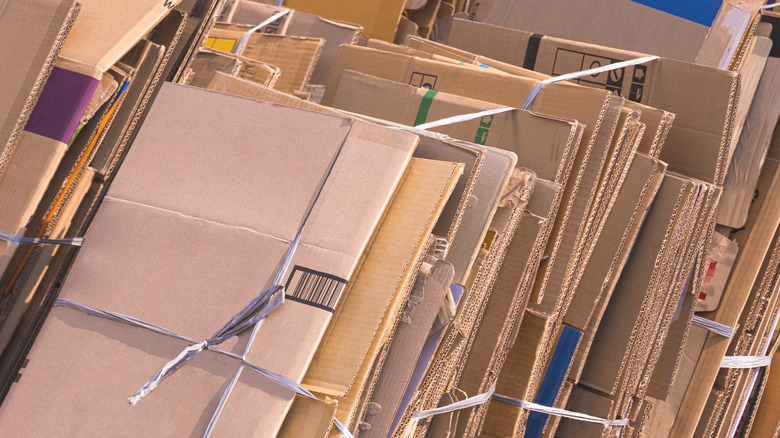
Just as you can compost shredded paper, you can also add cardboard to your compost pile as a brown material. Cardboard not only helps to control the moisture levels and pile structure, but it also assists in aerating the compost. You can even use old pizza boxes! However, there are a few guidelines to follow when choosing what type of cardboard to add. Ensure the cardboard is free of plastic coatings, heavy dyes, tape, and labels.
Tree bark
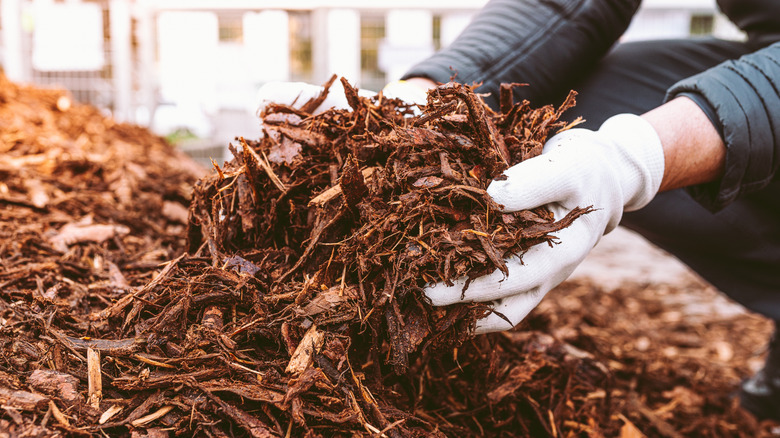
Do you have an excessive amount of extra tree bark in your yard? Perhaps you recently cut down a tree, had a storm come through your area, or got a bark mulch donation from a neighbor. You can add this material to your compost pile. Before tossing it in, make sure that the bark is broken down into smaller pieces to help it decompose faster. You can also wet the bark before adding it to the pile. Aeration is particularly important when you add bark to a compost pile, so remember to turn it every few weeks.
Corn cobs and husks
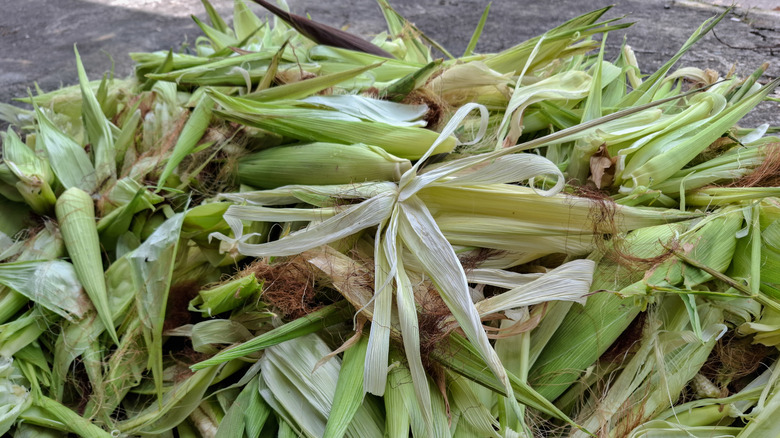
Last but not least, discarded corn cobs and husks are welcome brown additions to your compost pile. Don't toss the corn from dinner into the trash. Start saving them for your compost to give it a healthy boost of carbon. Break the cobs and husks into small pieces, as you do twigs or tree bark. They're particularly beneficial because they straddle the line between green and brown. Besides helping to keep your compost aerated, this material helps to regulate the gases in your pile.