

How To Choose A Wood Stove That's Safer For Your Lungs
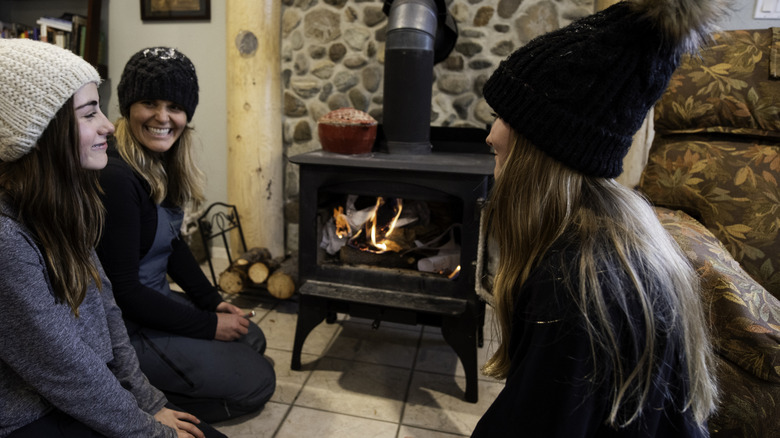
Wood stoves, highly popular in colder climates, represent a cozy way to save money on heating costs. Indeed, the benefits of wood-burning stoves are plentiful. But how safe are they? The truth is that the smoke from wood stoves and fireplaces is full of dangerous gases and tiny particles known as PM2.5. Breathing in this smoke is harmful. The fumes can lead to a variety of health problems, like coughing, asthma attacks, bronchitis, and other respiratory ailments. It also worsens existing heart or lung problems. That's why the future of wood-burning stoves in homes is uncertain, as state governments push for higher safety standards and global environmental groups call for stricter regulations or outright bans on the equipment.
When looking for a more health-friendly wood-burning stove, start by checking certifications and construction. An EPA-certified wood stove in an appropriate size is safer for your lungs because it is more efficient, uses much less wood than older stoves, leaks less smoke, and reduces creosote buildup. If your setup allows for it, choosing a wood stove with an outside air intake can also be more efficient and healthier. Feeding the fire with outside air through an intake pipe balances the indoor pressure to reduce drafts in the home and may help release less smoke and contaminants into the room.
The EPA began certifying wood stoves in 2015, introducing its New Source Performance Standards (NSPS) that limited particulate emissions to no more than 4.5 grams per hour. It then tightened its standards in 2020 to no more 2.0 to 2.5 grams of particulate emissions per hour, depending on the wood used as fuel. Clearly, if you obtained your wood stove before 2015, your risk is greater than if you have a newer, EPA-certified model.
Consider only EPA-certified wood stoves
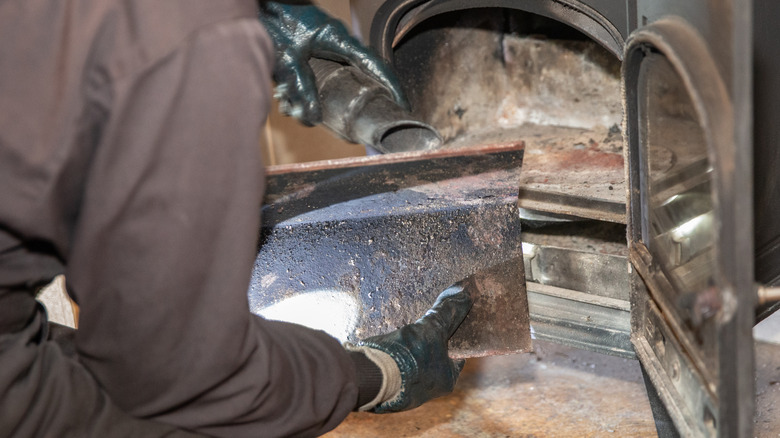
The EPA's rules prohibited the sale of uncertified wood stoves in 2020, so you're unlikely to encounter one sold new. But you've probably noticed on outlets like Facebook Marketplace that people regularly sell used wood stoves, so be sure you are purchasing an EPA-certified model if buying used. To learn if your wood stove or a potential purchase is EPA-certified, you can check out the EPA's Wood Stove Database. Huge numbers of U.S. households still have uncertified wood stoves; in 2017, the number was 2 million, according to the EPA. It's worth noting that several states have wood stove regulations or guidelines on top of the EPA's rules. When choosing an appropriate unit, keep in mind that a bigger wood stove means more smoke emissions and more creosote buildup. Avoid purchasing a wood stove that is larger than you need. Ask your dealer to help you determine the best wood stove size for your needs based on the size of the room it will be heating.
Another option is to obtain a catalytic wood stove, which produce lower emissions than non-catalytic stoves through use of a catalytic combustor. As harmful smoke and contaminants from the fire pass through the catalyst, their ignition temperatures lower, letting them burn off more efficiently and release less harmful byproducts into the air. The downside to catalytic wood stoves is cost; a catalytic wood stove is about the same cost as a high-end non-catalytic model, around $2,000 to $4,500. A wood stove is a great alternative to a wood-burning fireplace that gives off so much more heat, but be sure you've chosen an EPA-certified model or a catalytic wood stove to keep your lungs as safe as possible.