

Clearing Leaves From The Sidewalk: Is It Your Responsibility?
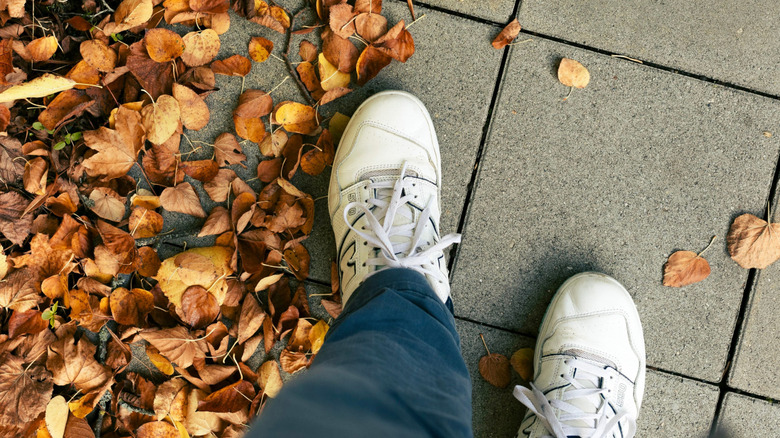
In the midst of fall, you may be granted with a familiar landscape: a carpet of fallen leaves all over the sidewalk in front of your house. When this happens, is it your responsibility to clear the leaves? Yes, just as you must shovel and salt your sidewalks in winter, you must clean them of leaves as well. Most municipalities require residents to clear any leaves from their sidewalk to keep them out of the storm drains and protect pedestrians. It's also just a simple act of courtesy that shows you care about your neighbors, plus it helps keep the sidewalks looking nice. More importantly, if you don't clear the leaves, you may face stiff penalties and/or fines.
What you do with the leaves in your own yard is your business. Some homeowners prefer raking the leaves for a pristine lawn, while others like to leave them intact as a natural mulch for weed suppression and nourishment for the soil. Letting leaves stay on your sidewalk, however, can be a dangerous choice. Not only are wet leaves very slippery underneath your feet, but they may also conceal tripping hazards, such as large cracks or divots in the sidewalk. Once leaves make their way down the street to a drain, they can form thick mats, blocking water flow and increasing flooding risks. The leaves present in the storm drains also affect water quality as they increase the level of phosphorus, creating an environment welcoming to algae blooms. To prevent any of these issues, most city and county governments have regulations regarding leaf removal.
Potential consequences of leaving leaves on the sidewalk
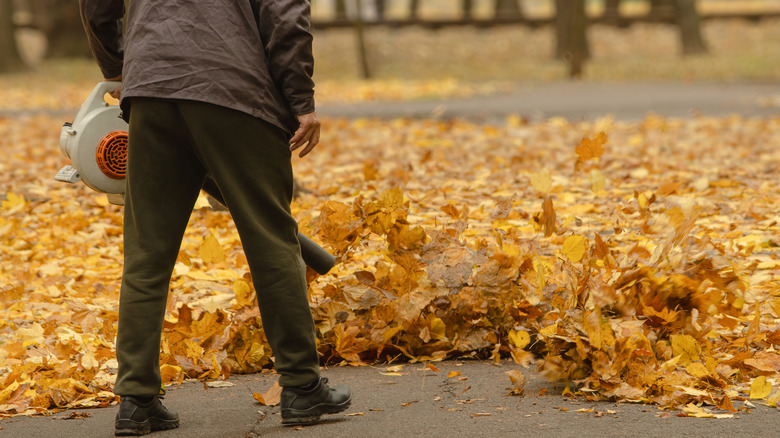
The exact penalties and fees for neglecting a leaf-strewn sidewalk vary by municipality. You can typically find the regulations by looking through the city or county Code Enforcement, Litter Control, or Public Space guidelines. In smaller areas such as Cleveland Heights, Ohio, fines can begin at $50 for the first offense, while larger municipalities like Washington, D.C., levy a $150 fee. In addition to a fine, you may also receive a notice for community service hours, though circumstances vary. If you live within a neighborhood where the sidewalks are a homeowner responsibility, you could also be subject to a fine from the homeowners association.
Negligence about the leaves on your sidewalk may not just be a violation of the local code, it could end in a civil lawsuit. If a pedestrian slips and falls in front of your property, you may be liable, especially if the victim proves the leaves were present for a long time. For instance, if a pedestrian slips on leaves covering ice or other hazard, and you had reasonable knowledge of the leaves' presence, you may be responsible for their injuries. Liability claims can increase your homeowner's insurance as well. You can reduce your risk of fines, penalties, and possible legal action by removing the leaves either by hand or blowing them into a pile on your own property.