

8 Smart Ways You Should Be Using Dish Soap To Clean Your Bathroom
We may receive a commission on purchases made from links.
When it's time to clean your bathroom, there are countless products to choose from. Many bathroom cleaning solutions claim to be specialized for specific tasks, like whitening your tile grout or removing soap scum from your sink. While these products can be useful, they are not always necessary. Believe it or not, there are quite a few bathroom chores you can accomplish with two simple ingredients: dish soap and water. From removing water stains in your shower to cleaning drains, this powerful combo is not only affordable, but you probably already have both in your home.
There are specific products you'll need for sanitizing certain parts of your bathroom, like toilet bowl cleaner or a spray for killing mildew, but dish soap can be your primary tool for most chores. Note that you should avoid using dish soap on leather items or natural stone surfaces like granite, as the soap can leave a filmy residue. With that in mind, dish soap can be as effective or better than other cleaning products when tackling these common problem areas in the bathroom.
Hard water stains
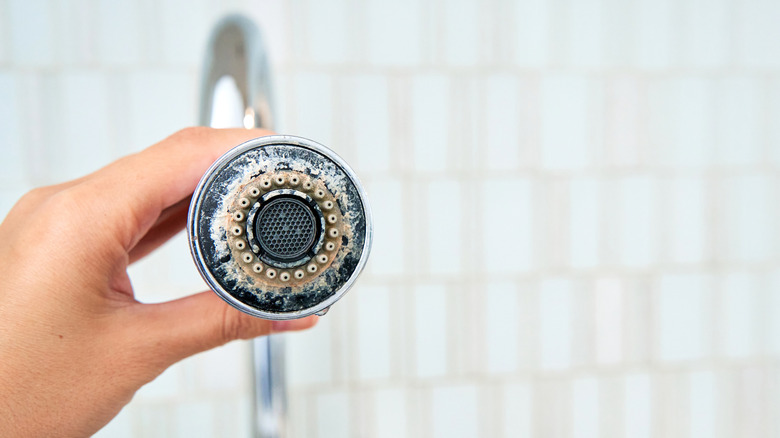
Hard water stains appear when mineral-rich water evaporates, leaving behind a buildup on surfaces such as sinks, toilets, and faucets. Your favorite dish soap, from top brands like Dawn, can help remove these stains from your bathroom. First, combine about two teaspoons of soap with warm water in a spray bottle. Spray the mixture onto the affected areas and wipe with a soft towel, ideally microfiber. If the stains remain stubborn, scrubbing them with an old toothbrush can fully remove the buildup.
Shower drain
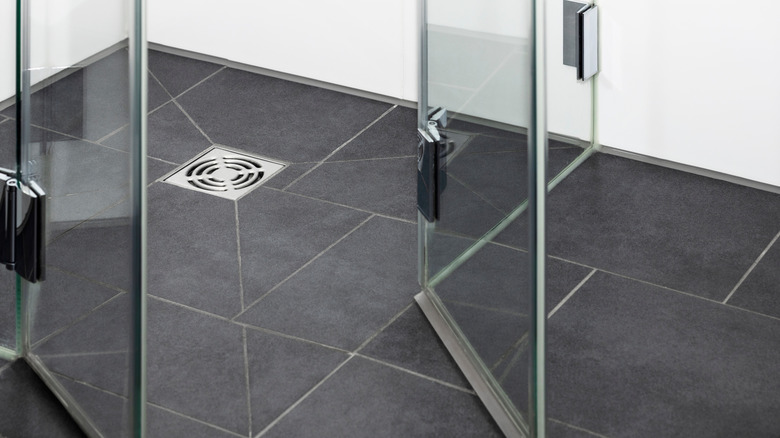
Before you purchase a liquid drain cleaner that's full of caustic chemicals, you may want to try unclogging the drain with dish soap. A combination of dish soap and water can remove the buildup of hair, oils, grime, etc. Pour ½ to 1 cup of dish soap down the drain and wait 20 to 30 minutes before dumping in 2 to 3 quarts of hot water. This should clear the drain without you having to get your hands dirty, but for more severe clogs, you may need to finish the job with a drain snake.
Unclogging a toilet
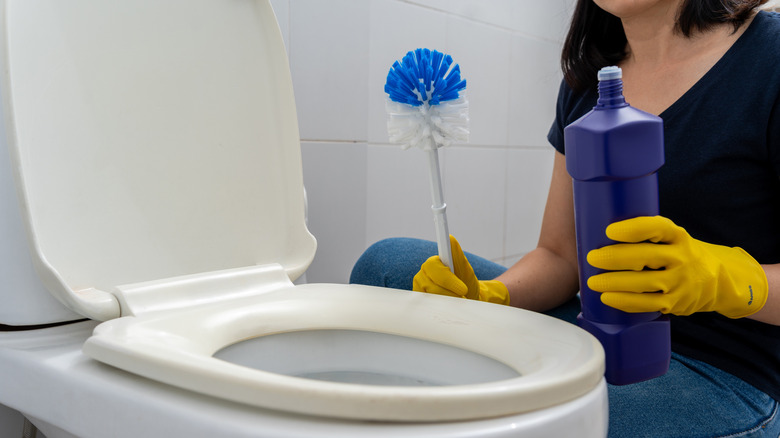
You can also use your favorite dish soap to unclog your toilet. Don't call a plumber until you've tried this quick and easy dish soap trick. Start by adding dish soap to the toilet bowl, then pour hot water on top (avoid using boiling water to reduce the risk of cracking the bowl). Let the ingredients sit for about 10 to 15 minutes before attempting to flush.
Shower door
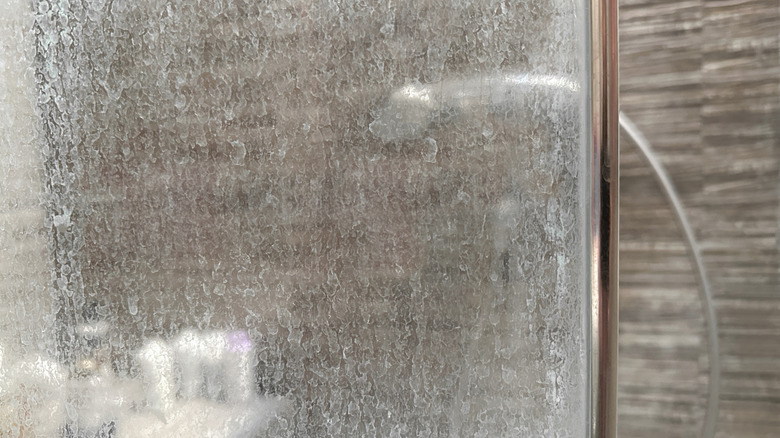
Dish soap can even clean some glass materials, like shower doors. These surfaces tend to experience a lot of buildup, caused by hard water, shampoo, and soap scum. While you can attempt to use just dish soap and water to combat these stains, it's recommended to mix a few drops of dish soap with ½ cup of white vinegar and 1 cup of water for extra effectiveness. This powerful combination should make quick work of any buildup on your shower doors.
Bathtub
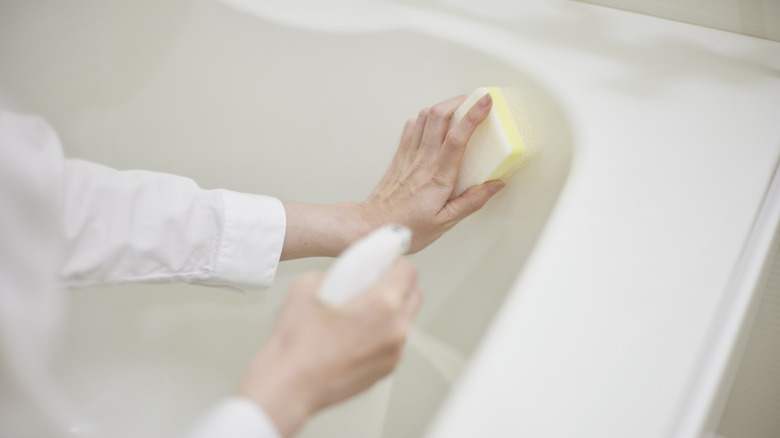
If you struggle to keep your bathtub sparkling clean, liquid dish soap may be the key to removing pesky stains and buildup. Bathtubs are notorious for getting stained from hygiene products, dead skin cells, oils, and more. To tackle this tough area of your bathroom, you can either apply the soap directly onto the affected areas or mix 1 tablespoon with 1 cup of water and wipe down the tub. Dish soap can remove soap scum from your bathtub in a flash, but if stains persist, try adding vinegar to the mix.
Shower walls
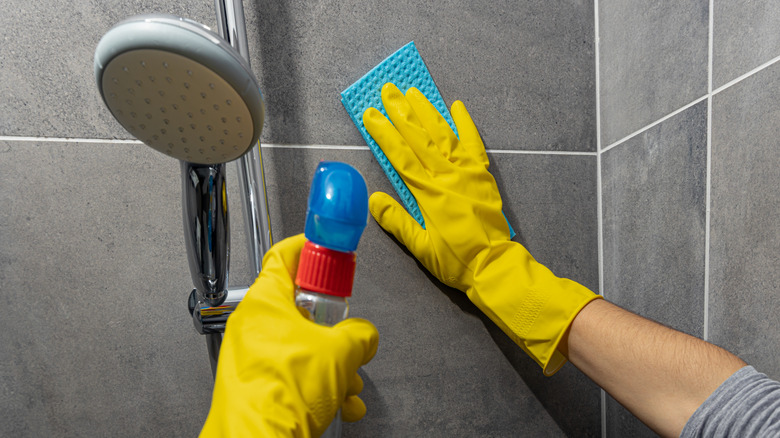
No bathroom cleaning session is complete until you give your shower walls a little TLC. Clear the walls of buildup by combining a generous squeeze of dish soap with a container of hot water and applying the solution to your shower walls using either a cloth or sponge. Rinse the walls and repeat the process on tough spots if necessary. Pro tip: Use a sponge mop to get the high, unreachable corners of your shower.
Tile floors
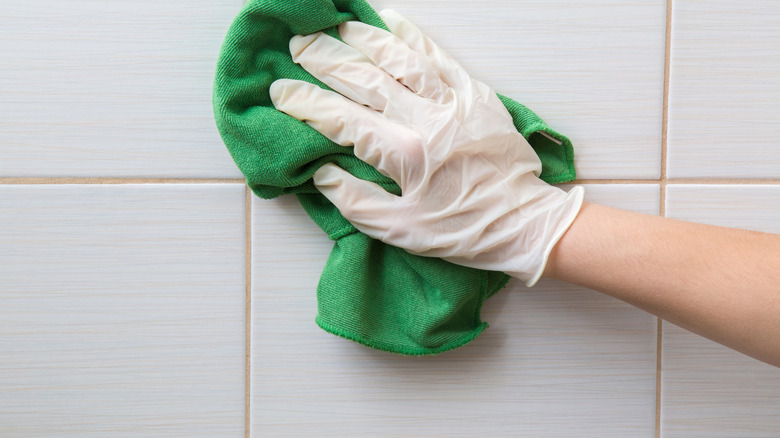
You can use your trusty dish soap to scrub down tile floors made from porcelain, marble, or ceramic. After you've swept the bathroom floor, combine dish soap with warm water in a mop bucket. You can use a cloth mop if you plan on cleaning the entire floor, or just a rag or scrub brush if you're focusing on one affected area. Once that's done, wipe the area with a dry cloth to remove any lingering soap residue.
Grout
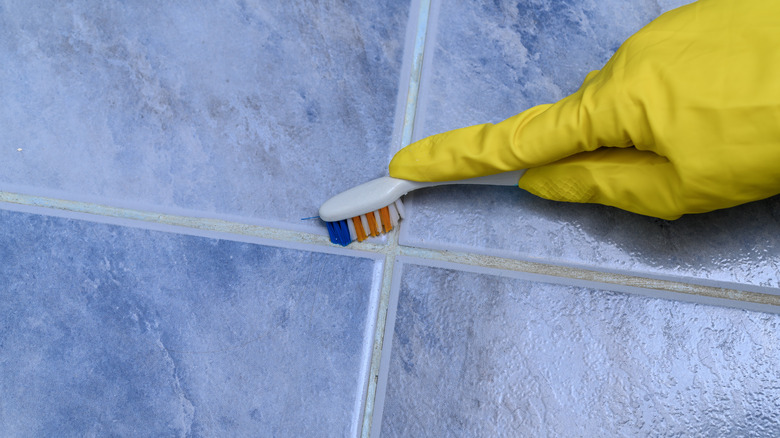
If your grout lines have seen better days, i.e., they're looking gray or yellow, you can easily scrub them clean with a small brush and a DIY cleaning solution. Combine 1 tablespoon of dish soap with ¾ cup of baking soda and ¼ cup of hydrogen peroxide. Using a grout brush or an old toothbrush, work this mixture into the grout to loosen any dirt or grime. Finally, wipe the grout down with a clean cloth to remove any residue.