

Avoid This Common Fuel Mistake To Keep Your Snow Blower Working Its Best
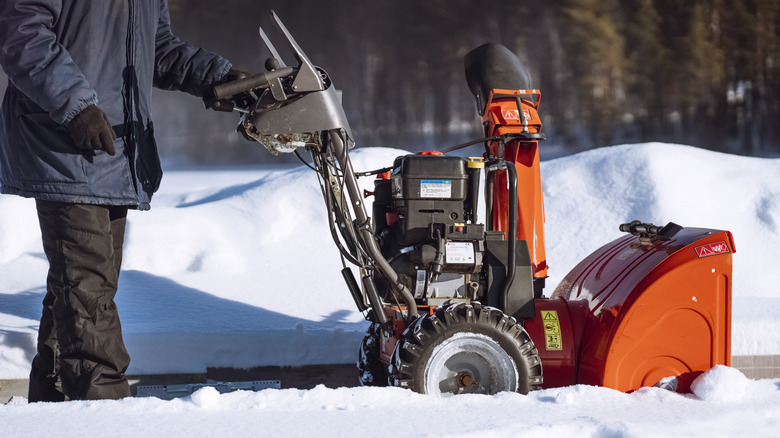
During the winter, knowing how to use your snow blower on your driveway more efficiently helps you work smarter and not harder. Ensuring the machine is in great working condition will make your snow-blowing jobs much smoother. It can be really frustrating to get your snow blower out, be ready to get started, and discover it has trouble starting, runs poorly, or won't start at all. Don't despair; more than likely, there is nothing wrong mechanically. You just might have overlooked a common mistake snow blower owners make: using the snow blower with old fuel in it from last season. When gasoline sits in your snow blower's tank, unused, for several months, it starts to break down, which can cause problems when you go to use it.
Old fuel is not something you can identify just by looking. There are several factors that will affect how fast the gasoline in your snow blower will start to break down. These factors include where the snow blower has been stored and the temperature and humidity of that storage place, and whether the gas tank is plastic or metal. Using old fuel in your snow blower can cause a variety of issues that can lead to bigger problems later. Fortunately, there are several things you can do at the beginning of snow-blowing season, during the season, and before you store it that will keep your gas in tiptop shape and help prevent it from breaking down.
Using old fuel can cause significant damage to a snow blower
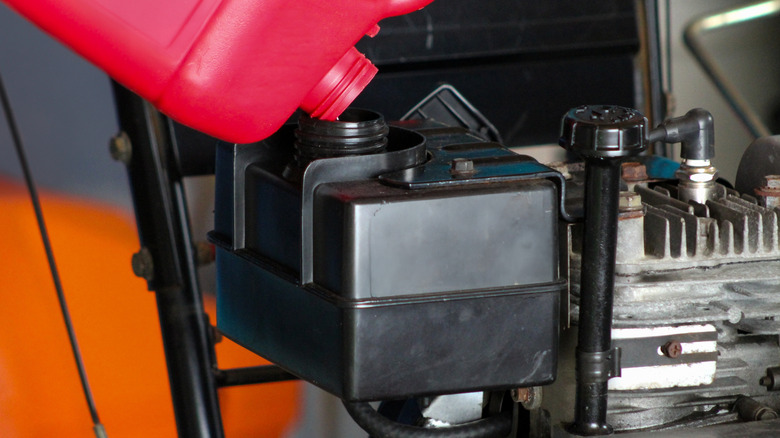
Gasoline is considered completely fresh for only 30 days. After this, important parts of the gasoline have evaporated so much that it causes poor performance, problems with starting, and potential damage to the engine. What is left of the gas after this evaporation turns gummy and varnish-like, which can clog the carburetor and leave bad deposits on the intake valves, causing other issues. Sometimes, using old fuel can cause damage to the fuel system, which could result in expensive repairs or even replacement, so don't take this lightly. This problem can be avoided completely by following important snow blower safety tips for winter and avoiding common mistakes, like not preparing the snow blower in the spring properly before storing it.
To avoid future fuel problems, at the start of the season, add a quality fuel stabilizer to the fuel tank and on each tank refill throughout the season. Using a fuel stabilizer extends the life of the gasoline significantly, preventing old fuel-related problems with running and starting the snow blower. If you are done snow blowing for the season, how you store your snow blower is important to maintaining its long-term "health." You don't want to make these common mistakes with your snow blower, so read your owner's manual so you know what to do for safe usage and storage. However, as a general rule, you'll want to drain all the gasoline from the snow blower's tank and the fuel system. Following these simple steps will prevent old fuel from clogging your fuel system and keep your snow blower in great running condition.